- Today
- Holidays
- Birthdays
- Reminders
- Cities
- Atlanta
- Austin
- Baltimore
- Berwyn
- Beverly Hills
- Birmingham
- Boston
- Brooklyn
- Buffalo
- Charlotte
- Chicago
- Cincinnati
- Cleveland
- Columbus
- Dallas
- Denver
- Detroit
- Fort Worth
- Houston
- Indianapolis
- Knoxville
- Las Vegas
- Los Angeles
- Louisville
- Madison
- Memphis
- Miami
- Milwaukee
- Minneapolis
- Nashville
- New Orleans
- New York
- Omaha
- Orlando
- Philadelphia
- Phoenix
- Pittsburgh
- Portland
- Raleigh
- Richmond
- Rutherford
- Sacramento
- Salt Lake City
- San Antonio
- San Diego
- San Francisco
- San Jose
- Seattle
- Tampa
- Tucson
- Washington
Tesla Stock Still Seen as Generational Wealth Builder
Despite slow robotaxi rollout, Tesla's dominance in EVs and massive data advantage could pay off big in the long run.
Apr. 18, 2026 at 11:50am
Got story updates? Submit your updates here. ›
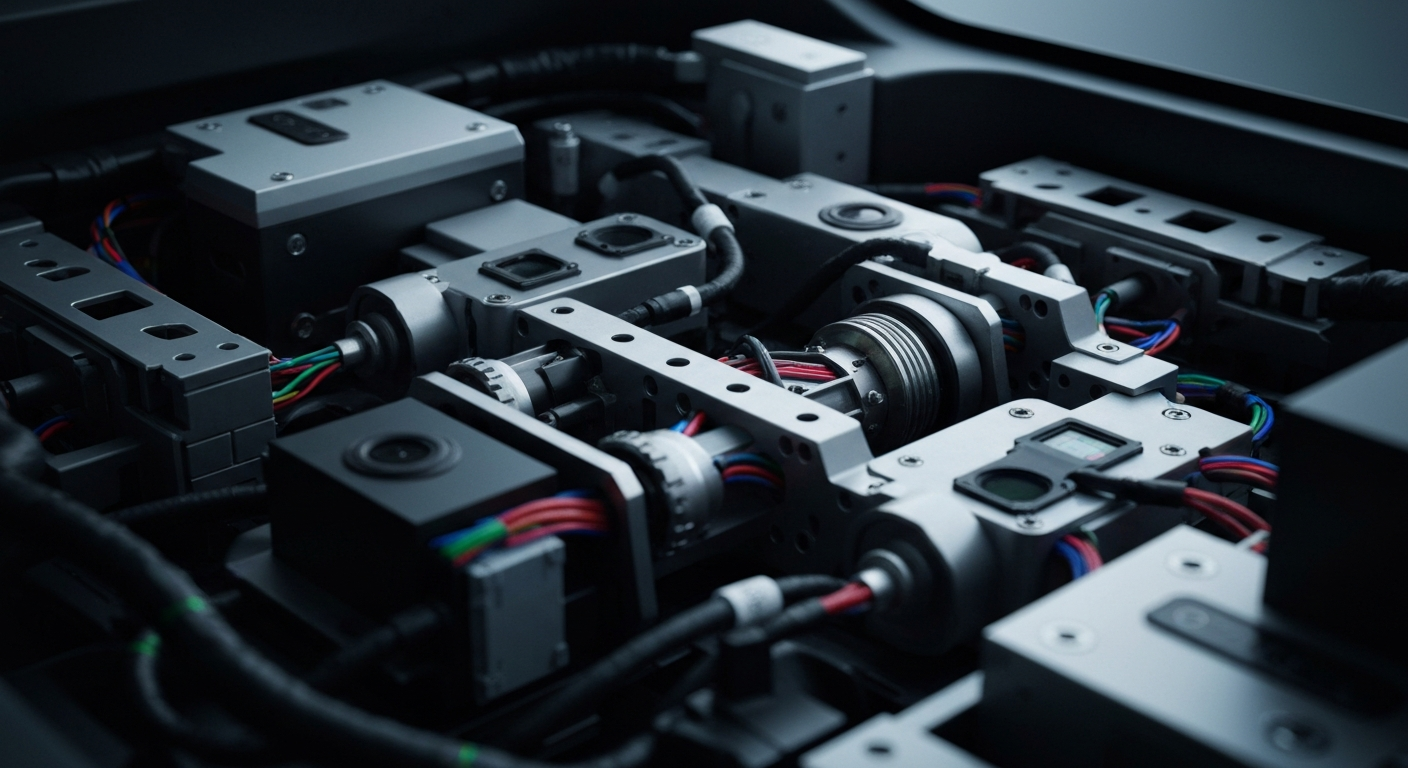 Tesla's robotaxi technology represents a massive long-term opportunity, but the company must overcome significant challenges to scale its autonomous driving capabilities.Austin Today
Tesla stock is down 14.5% this year as the company's robotaxi rollout has been slower than expected, with the service currently only available in a limited area of Austin, Texas. However, analysts believe Tesla's dominant position in the EV market, strong balance sheet, and vast trove of self-driving data give it a unique opportunity to disrupt the transportation industry with a low-cost, scalable robotaxi service in the coming years, potentially creating life-changing wealth for patient investors.
Why it matters
Tesla's robotaxi ambitions represent a massive long-term growth opportunity, but the company faces numerous challenges in bringing the technology to market at scale. Its ability to overcome these hurdles and establish a leading position in autonomous ride-hailing could have significant implications for the future of transportation and Tesla's stock price.
The details
While Tesla's robotaxi rollout has been slower than expected, the company's dominant position in the EV market, with over 54% market share in the U.S., gives it a significant advantage. Tesla also has more than $28 billion in net cash expected by the end of 2026, allowing it to aggressively invest in battery development, lithium refining, and production of its dedicated robotaxi, the Cybercab. The Cybercab is expected to cost less than $30,000 and have an operating cost of around $0.20 per mile, significantly undercutting competitors like Waymo.
- Tesla's robotaxi service is currently only available in a limited area of Austin, Texas.
- Wall Street analysts expect Tesla to end 2026 with more than $28 billion in net cash.
The players
Tesla
An American electric vehicle and clean energy company that designs and manufactures electric cars, battery energy storage from home to grid-scale, solar panels, and related products.
Elon Musk
The CEO and co-founder of Tesla, who has consistently outlined expectations for the Cybercab robotaxi to cost less than $30,000 and have an operating cost of approximately $0.20 per mile.
Waymo
An American autonomous driving technology development company that is a subsidiary of Alphabet Inc., Google's parent company.
What they’re saying
“Tesla hasn't scratched the surface of what it could be in 10 years.”
— Lee Samaha, Author
What’s next
Tesla will need to continue working with regulators to expand its robotaxi service beyond the current limited area in Austin, Texas. The company's ability to scale this technology and achieve its ambitious cost targets will be crucial to realizing the long-term potential of its robotaxi plans.
The takeaway
While Tesla's robotaxi rollout has been slower than expected, the company's dominant position in the EV market, strong financial position, and vast trove of self-driving data give it a unique opportunity to disrupt the transportation industry with a low-cost, scalable robotaxi service in the coming years. For patient investors, Tesla stock could still represent a chance at generational wealth, but the risks remain high.
Austin top stories


Austin events


Apr. 18, 2026
Mamma Mia! (Touring)
Apr. 18, 2026
Charlotte's Web