- Today
- Holidays
- Birthdays
- Reminders
- Cities
- Atlanta
- Austin
- Baltimore
- Berwyn
- Beverly Hills
- Birmingham
- Boston
- Brooklyn
- Buffalo
- Charlotte
- Chicago
- Cincinnati
- Cleveland
- Columbus
- Dallas
- Denver
- Detroit
- Fort Worth
- Houston
- Indianapolis
- Knoxville
- Las Vegas
- Los Angeles
- Louisville
- Madison
- Memphis
- Miami
- Milwaukee
- Minneapolis
- Nashville
- New Orleans
- New York
- Omaha
- Orlando
- Philadelphia
- Phoenix
- Pittsburgh
- Portland
- Raleigh
- Richmond
- Rutherford
- Sacramento
- Salt Lake City
- San Antonio
- San Diego
- San Francisco
- San Jose
- Seattle
- Tampa
- Tucson
- Washington
Trinity Jazz Ensemble Brings Century of Jazz Traditions to Spring Concert
Student musicians perform works by Ellington, Hancock, and local faculty composers despite rainy weather
Apr. 16, 2026 at 3:36am
Got story updates? Submit your updates here. ›
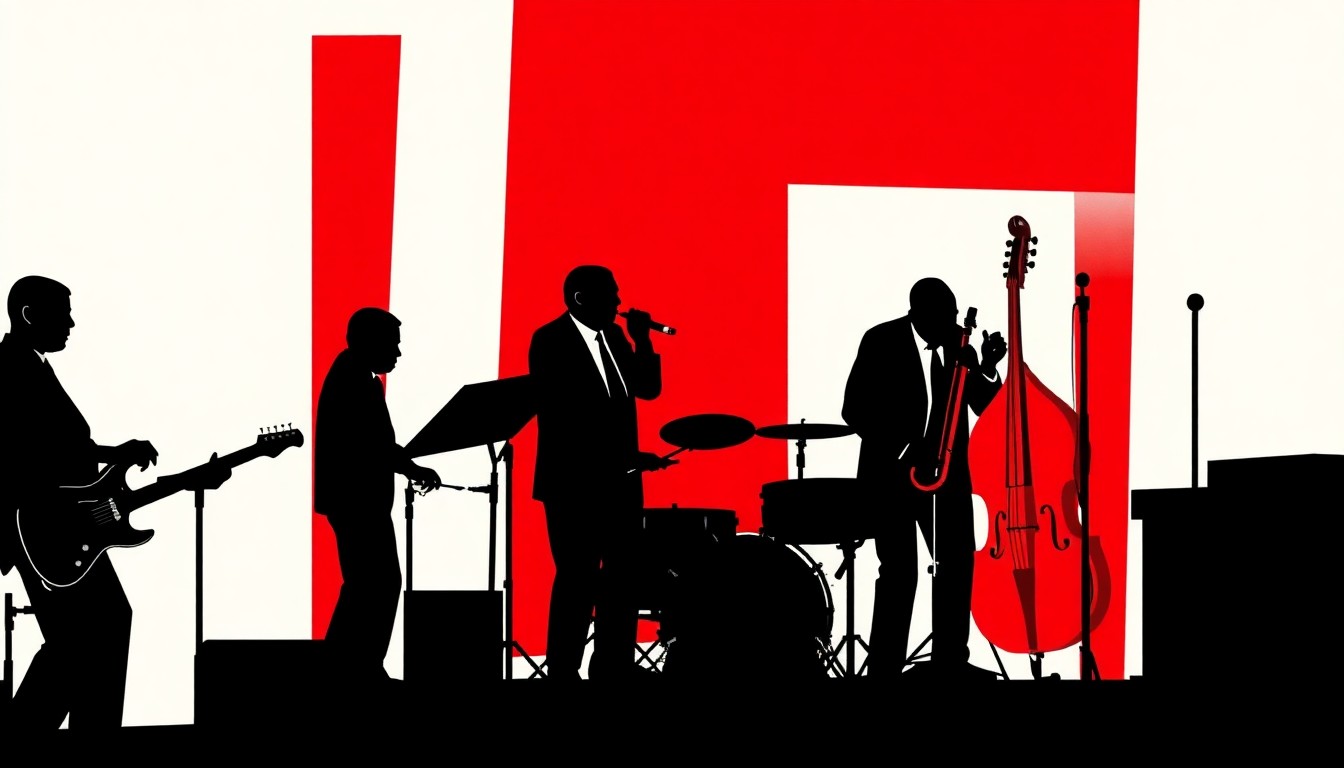 Trinity's Jazz Ensemble brings a century of jazz traditions to life with a challenging, rewarding spring concert.Austin Today
Trinity's Jazz Ensemble took the stage at Ruth Taylor Recital Hall on a rainy Sunday for their annual spring concert, blending classic jazz compositions with arrangements by local faculty artists. Led by assistant professor Ryan Hagler, the 10-piece ensemble of 18 student musicians tackled challenging pieces like Hank Levy's '5/4 time 'Decoupage' to showcase their skills and the breadth of the jazz genre.
Why it matters
The concert highlighted Trinity's commitment to jazz education, with Hagler, the university's first full-time jazz faculty member, emphasizing a teaching philosophy focused on fostering student growth through rigorous yet supportive rehearsals. The diverse repertoire also underscored jazz music's deep historical roots and cultural significance.
The details
The Jazz Ensemble's spring showcase featured works by iconic composers like Duke Ellington and Herbie Hancock, as well as a recent piece by Trinity adjunct professor Brian Christensen. Sophomore drummer Blaise Eakle noted the challenge of mastering the unusual 5/4 time signature in Hank Levy's 'Decoupage,' but said the sense of accomplishment made the effort worthwhile. First-year saxophonist Jaylene Benitez, who performed two solos, said the historical depth of the setlist allowed the ensemble to reflect on jazz's cultural significance as an 'expression of everything that has been going on'.
- The Jazz Ensemble concert took place on April 12, 2026 at 3 p.m.
- The ensemble's next performances will be at Monks Jazz Club in Austin on April 21 and the 63rd Annual Fiesta Jazz Festival at St. Mary's University on April 24.
The players
Ryan Hagler
Assistant professor of jazz at Trinity University and the director of the Jazz Ensemble.
Blaise Eakle
Sophomore business analytics and technology major who played drums during the performance.
Jaylene Benitez
First-year music composition and business double-major who performed two solos as the ensemble's tenor saxophonist.
Brian Christensen
Adjunct professor of music at Trinity University who composed a piece performed by the Jazz Ensemble.
What they’re saying
“'I think it's really important to challenge the students and bring some things in that — the first couple of rehearsals — are going to be really, really tough. When we pull it off though, there is a feeling of accomplishment.'”
— Ryan Hagler, Assistant professor of jazz
“'4/4 is symmetrical and dance music, because it comes from marches. It's natural to us. But 5/4, it's not as instinctual. After a while it almost feels like 4/4, and you get used to it. It was also rewarding. When you play something challenging that you've spent a lot of time on, it sounds good.'”
— Blaise Eakle, Sophomore business analytics and technology major
“'Jazz music is like an expression of everything that has been going on, historically speaking. If you go back to Duke Ellington's big band composers, it's the foundation for what big band music is like today. [Back] then, it was an expression of what was going on.'”
— Jaylene Benitez, First-year music composition and business double-major
What’s next
The Jazz Ensemble's next performances will be at Monks Jazz Club in Austin on April 21 and the 63rd Annual Fiesta Jazz Festival at St. Mary's University on April 24.
The takeaway
Trinity's Jazz Ensemble concert demonstrated the university's commitment to jazz education, with the ensemble tackling challenging repertoire spanning a century of the genre. The performance highlighted how jazz music serves as a cultural and historical expression, with the student musicians gaining a deeper appreciation for the genre's roots.
Austin top stories
Austin events
Apr. 16, 2026
Mamma Mia! (Touring)
Apr. 16, 2026
Dear Evan Hansen (Touring)
Apr. 16, 2026
Eve 6 & Fastball