- Today
- Holidays
- Birthdays
- Reminders
- Cities
- Atlanta
- Austin
- Baltimore
- Berwyn
- Beverly Hills
- Birmingham
- Boston
- Brooklyn
- Buffalo
- Charlotte
- Chicago
- Cincinnati
- Cleveland
- Columbus
- Dallas
- Denver
- Detroit
- Fort Worth
- Houston
- Indianapolis
- Knoxville
- Las Vegas
- Los Angeles
- Louisville
- Madison
- Memphis
- Miami
- Milwaukee
- Minneapolis
- Nashville
- New Orleans
- New York
- Omaha
- Orlando
- Philadelphia
- Phoenix
- Pittsburgh
- Portland
- Raleigh
- Richmond
- Rutherford
- Sacramento
- Salt Lake City
- San Antonio
- San Diego
- San Francisco
- San Jose
- Seattle
- Tampa
- Tucson
- Washington
South Dakota Joins Lawsuit That Could Impact Disability Rights
The state is one of nine suing the federal government over disability funding rules.
Apr. 15, 2026 at 9:52pm
Got story updates? Submit your updates here. ›
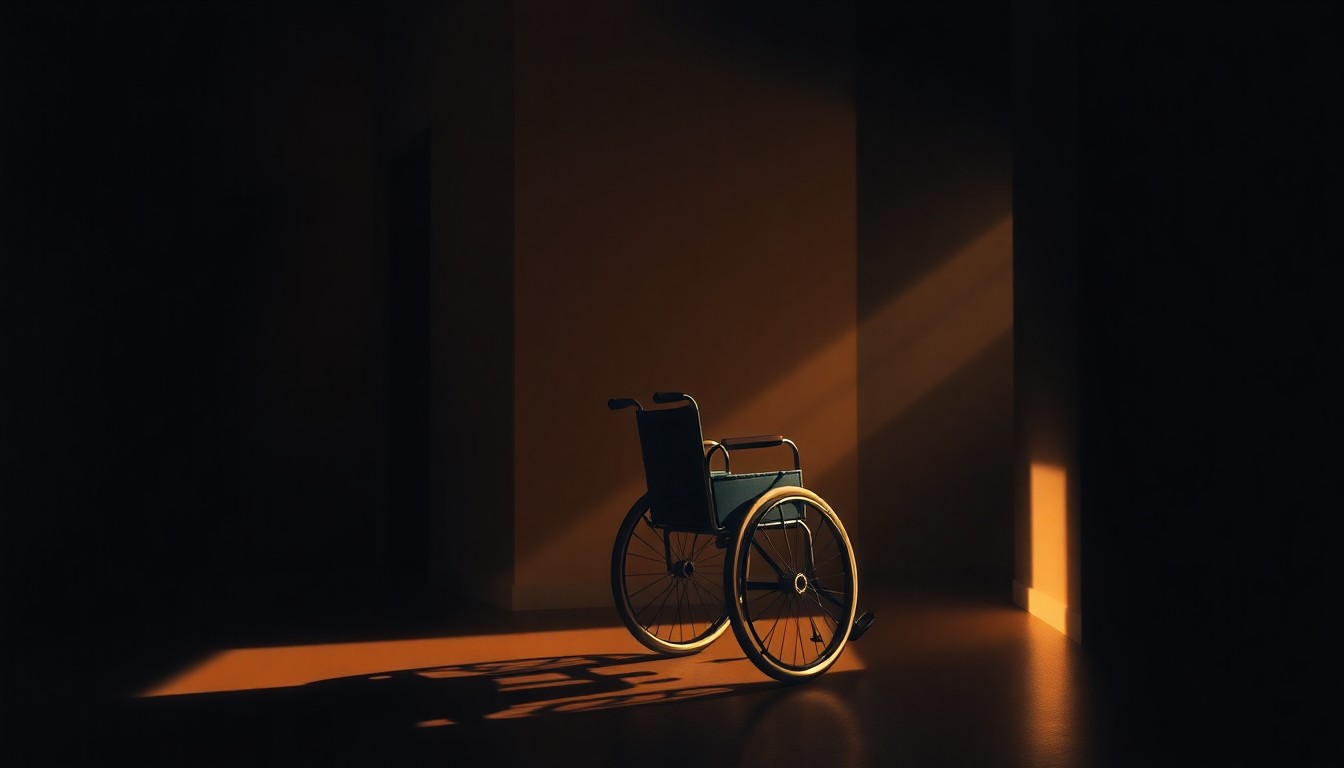 The lawsuit against federal disability protections casts a long shadow over the independence and freedoms hard-won by the disability rights movement.Sioux Falls Today
South Dakota has joined a lawsuit against the U.S. Department of Health and Human Services that could have major implications for disability rights and services. The lawsuit, known as Texas v. Kennedy, challenges the government's rules on how disability funding is spent, raising concerns that it could lead to the institutionalization of people with disabilities and the loss of community-based protections.
Why it matters
The lawsuit has sparked worry among disability advocates in South Dakota, who fear that a victory for the plaintiffs could roll back hard-won protections and freedoms for people with disabilities, forcing them to forfeit their ability to live independently in the community.
The details
The lawsuit was filed by nine states, including South Dakota, and challenges the federal government's rules on how disability funding can be used. Disability rights advocates in the state are concerned that if the plaintiffs prevail, it could lead to the institutionalization of people with disabilities who rely on services like vocational rehabilitation to live independently.
- The lawsuit, Texas v. Kennedy, was filed in 2026.
- South Dakota joined the lawsuit earlier this year.
The players
Brenda Smith
A South Dakota resident who is proud of her adult son, who has a disability and leads a full life.
Ismael Collazo
A South Dakota resident who lost his sight several years ago and received rehabilitation services that helped him start a woodworking business.
Cole Eucker
The Executive Director of Disability Rights South Dakota, an organization that is holding town hall meetings about the lawsuit.
Marty Jackley
The Attorney General of South Dakota, whose office is reviewing the information provided about the lawsuit.
What they’re saying
“Great concern is that, you know, some of those protections would be gone, and our loved ones, family members would experience discrimination.”
— Brenda Smith
“I couldn't imagine myself getting institutionalized just to get rehabilitation services and being away from my family.”
— Ismael Collazo
“It's not the intention of the South Dakota Attorney General's office to institutionalize people. It then chips away at those protections. And so that in and of itself is a harm.”
— Cole Eucker, Executive Director, Disability Rights South Dakota
What’s next
The Attorney General's office in South Dakota is reviewing the information provided about the lawsuit and has not yet indicated whether the state will withdraw from the case.
The takeaway
This lawsuit highlights the ongoing battle to protect the rights and freedoms of people with disabilities in South Dakota and across the country. Disability advocates are concerned that a victory for the plaintiffs could undermine decades of progress in ensuring that individuals with disabilities can live independently and access the services they need to thrive in their communities.
Sioux Falls top stories


Sioux Falls events

Apr. 17, 2026
Sioux Falls Stampede vs. TBD
Apr. 18, 2026
Bailey Zimmerman: Different Night Same Rodeo Tour 2026
Apr. 18, 2026
FLAGRANT/CWEEZY