- Today
- Holidays
- Birthdays
- Reminders
- Cities
- Atlanta
- Austin
- Baltimore
- Berwyn
- Beverly Hills
- Birmingham
- Boston
- Brooklyn
- Buffalo
- Charlotte
- Chicago
- Cincinnati
- Cleveland
- Columbus
- Dallas
- Denver
- Detroit
- Fort Worth
- Houston
- Indianapolis
- Knoxville
- Las Vegas
- Los Angeles
- Louisville
- Madison
- Memphis
- Miami
- Milwaukee
- Minneapolis
- Nashville
- New Orleans
- New York
- Omaha
- Orlando
- Philadelphia
- Phoenix
- Pittsburgh
- Portland
- Raleigh
- Richmond
- Rutherford
- Sacramento
- Salt Lake City
- San Antonio
- San Diego
- San Francisco
- San Jose
- Seattle
- Tampa
- Tucson
- Washington
Decades of No-Till Research Reveal Insights at Dakota Lakes Farm
Dwayne Beck shares findings from 20 years of studying water balance, nutrient cycling, and sunlight harvesting at the 840-acre research facility.
Apr. 18, 2026 at 6:35am
Got story updates? Submit your updates here. ›
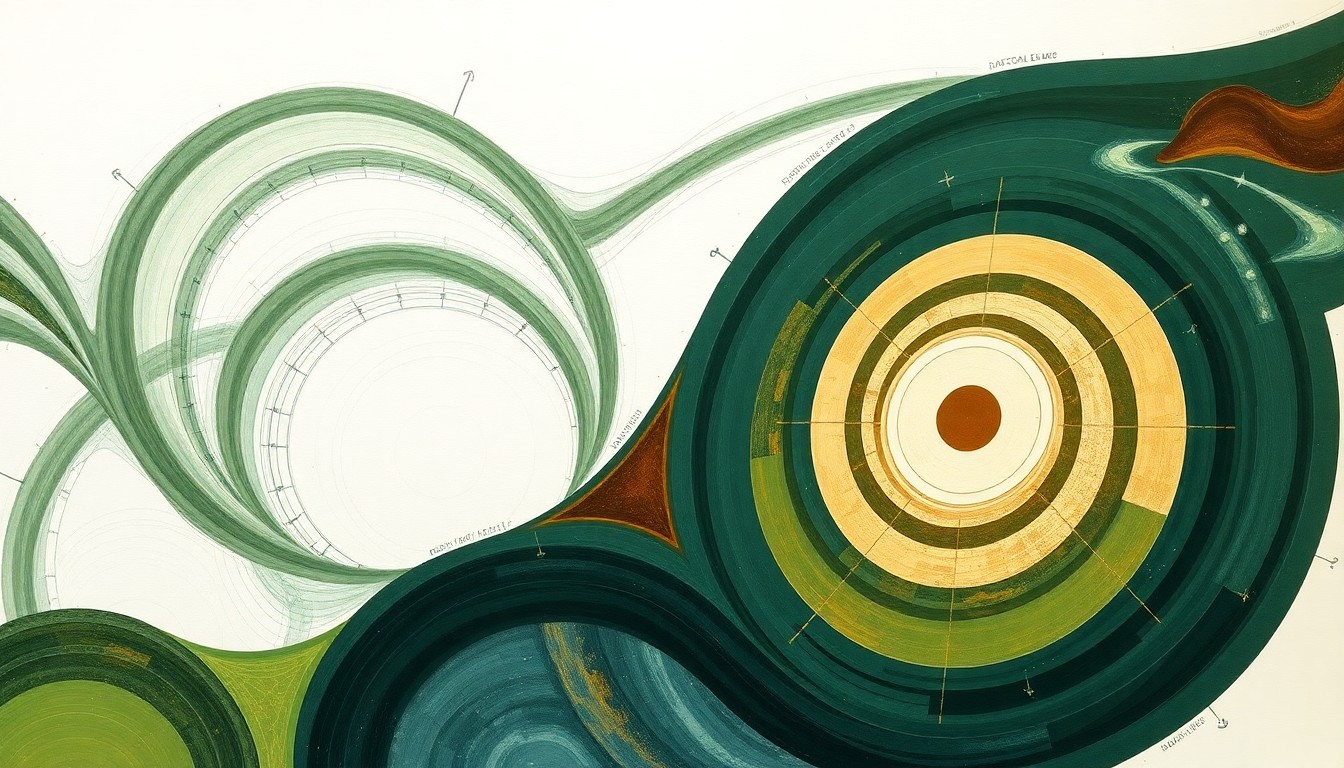 A conceptual visualization of the scientific principles guiding the sustainable farming research at the Dakota Lakes Research Farm.Pierre Today
Dwayne Beck, a longtime presenter at the National No-Tillage Conference, has spent over 20 years conducting research at the Dakota Lakes Research Farm near Pierre, South Dakota. His work has focused on mimicking natural systems to optimize water use, nutrient cycling, and sunlight harvesting through no-till farming practices.
Why it matters
Beck's research provides valuable insights for farmers looking to improve profitability and sustainability through regenerative agriculture techniques. As water scarcity and soil health become increasingly critical issues, Beck's long-term data from the Dakota Lakes Farm offers science-backed guidance on how no-till methods can help address these challenges.
The details
At the 840-acre Dakota Lakes Research Farm, Beck and his team have been practicing 100% no-till for the past 20 years. Their work has centered on three key principles: managing water balance, cycling nutrients, and harvesting sunlight. By closely observing natural systems, the researchers have developed strategies to make the most efficient use of limited rainfall and snowmelt, as well as optimize nutrient availability and sunlight capture for improved crop yields.
- Dwayne Beck has been conducting research at the Dakota Lakes Farm for over 20 years.
- Beck will present his latest findings at the 18th annual National No-Tillage Conference in Des Moines next January.
The players
Dwayne Beck
The research director at the Dakota Lakes Research Farm, who has spent over 20 years studying no-till farming practices and their impact on water, nutrients, and sunlight.
Dakota Lakes Research Farm
An 840-acre research facility near Pierre, South Dakota that has been practicing 100% no-till agriculture for the past two decades.
What they’re saying
“In nature, tillage is a catastrophic event.”
— Dwayne Beck, Research Director, Dakota Lakes Research Farm
What’s next
Beck will present his latest findings from the Dakota Lakes Research Farm at the 18th annual National No-Tillage Conference in Des Moines, Iowa next January.
The takeaway
Dwayne Beck's decades of no-till research at the Dakota Lakes Farm have produced valuable data and insights that can help farmers across the Great Plains region improve water management, nutrient cycling, and sunlight harvesting through regenerative agriculture practices.