- Today
- Holidays
- Birthdays
- Reminders
- Cities
- Atlanta
- Austin
- Baltimore
- Berwyn
- Beverly Hills
- Birmingham
- Boston
- Brooklyn
- Buffalo
- Charlotte
- Chicago
- Cincinnati
- Cleveland
- Columbus
- Dallas
- Denver
- Detroit
- Fort Worth
- Houston
- Indianapolis
- Knoxville
- Las Vegas
- Los Angeles
- Louisville
- Madison
- Memphis
- Miami
- Milwaukee
- Minneapolis
- Nashville
- New Orleans
- New York
- Omaha
- Orlando
- Philadelphia
- Phoenix
- Pittsburgh
- Portland
- Raleigh
- Richmond
- Rutherford
- Sacramento
- Salt Lake City
- San Antonio
- San Diego
- San Francisco
- San Jose
- Seattle
- Tampa
- Tucson
- Washington
Greenwood Today
By the People, for the People
South Carolina Lawmakers Back Trump's Venezuela Operation
Maduro's Narcoterrorism Exposed, but Concerns Linger Over Unilateral Action
Apr. 12, 2026 at 3:57pm
Got story updates? Submit your updates here. ›
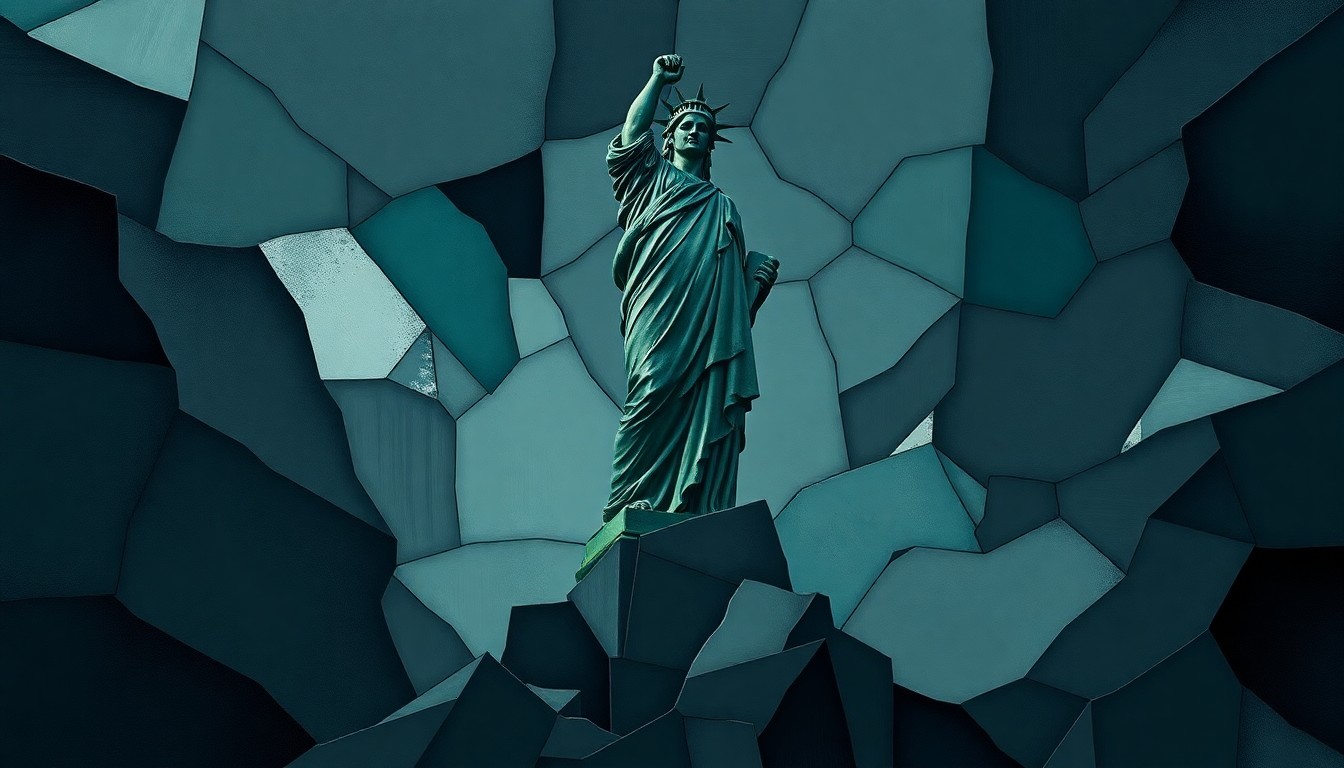 A fractured, avant-garde painting captures the upheaval and instability surrounding President Trump's unilateral military action against the Maduro regime in Venezuela.Greenwood Today
South Carolina lawmakers, including Attorney General Alan Wilson and Representatives Nancy Mace and Sheri Biggs, have voiced strong support for President Donald Trump's recent military action against the Venezuelan regime of Nicolás Maduro. They have praised the operation as a decisive blow against narcoterrorism, but the move has also sparked concerns about the limits of presidential power and the potential for unintended consequences in U.S. relations with other nations in the hemisphere.
Why it matters
The support from South Carolina lawmakers highlights the broader political divide over Trump's unilateral action against Maduro, with some hailing it as a necessary step to combat drug trafficking and terrorism, while others question whether military force is the best approach and worry about the implications for U.S. foreign policy in the region.
The details
In a statement, South Carolina Attorney General Alan Wilson called Maduro a 'thug' whose regime has long been accused of narcotics trafficking and colluding with criminal and terrorist networks. He argued that the President had the constitutional authority to act swiftly to protect American lives and national security. Representative Nancy Mace praised the operation as 'bold, decisive, and brilliant,' while Representative Sheri Biggs described Maduro as a 'criminal who's been trafficking poison into American neighborhoods for years through cartel-backed drug routes.' However, the article also notes that the operation raises critical questions about the limits of presidential power and the potential for unintended consequences in U.S. relations with other nations in the hemisphere.
- The overnight operation against Maduro's regime took place in April 2026.
The players
Alan Wilson
The Attorney General of South Carolina who voiced strong support for President Trump's military action against Maduro's regime in Venezuela.
Nancy Mace
A Representative from South Carolina's 1st Congressional District who praised the operation as 'bold, decisive, and brilliant.'
Sheri Biggs
A Representative from South Carolina's 3rd Congressional District who described Maduro as a 'criminal who's been trafficking poison into American neighborhoods for years through cartel-backed drug routes.'
Nicolás Maduro
The President of Venezuela, whose regime has been accused of narcotics trafficking and colluding with criminal and terrorist networks.
Donald Trump
The President of the United States who ordered the military operation against Maduro's regime in Venezuela.
What they’re saying
“The Constitution is crystal clear. Article II empowers the President to act swiftly when American lives and national security are at stake.”
— Alan Wilson, Attorney General of South Carolina
“Maduro's actions have poisoned communities and destabilized our hemisphere. We cannot wait until these threats reach our shores to respond.”
— Alan Wilson, Attorney General of South Carolina
“The dictator thought he could flood America with drugs and support terrorists, but President Trump proved him wrong.”
— Nancy Mace, Representative from South Carolina's 1st Congressional District
“Maduro isn't just a leader—he's a criminal who's been trafficking poison into American neighborhoods for years through cartel-backed drug routes.”
— Sheri Biggs, Representative from South Carolina's 3rd Congressional District
What’s next
The debate over the implications of President Trump's unilateral military action against Maduro's regime in Venezuela is expected to continue, with lawmakers and political analysts weighing the balance between national security concerns and the potential for unintended consequences in U.S. foreign relations.
The takeaway
This case highlights the ongoing tensions between the executive branch's authority to act decisively against perceived threats to national security and the concerns over the limits of presidential power and the potential impact on international relations. The support from South Carolina lawmakers reflects the political divide on these issues, and the long-term consequences of this operation will likely shape future debates over the use of military force in addressing transnational criminal and terrorist networks.