- Today
- Holidays
- Birthdays
- Reminders
- Cities
- Atlanta
- Austin
- Baltimore
- Berwyn
- Beverly Hills
- Birmingham
- Boston
- Brooklyn
- Buffalo
- Charlotte
- Chicago
- Cincinnati
- Cleveland
- Columbus
- Dallas
- Denver
- Detroit
- Fort Worth
- Houston
- Indianapolis
- Knoxville
- Las Vegas
- Los Angeles
- Louisville
- Madison
- Memphis
- Miami
- Milwaukee
- Minneapolis
- Nashville
- New Orleans
- New York
- Omaha
- Orlando
- Philadelphia
- Phoenix
- Pittsburgh
- Portland
- Raleigh
- Richmond
- Rutherford
- Sacramento
- Salt Lake City
- San Antonio
- San Diego
- San Francisco
- San Jose
- Seattle
- Tampa
- Tucson
- Washington
Greenville's Last Green Book Home Seeks New Life
Historic tourist home aims to restore Black cultural history through short-term rental
Apr. 19, 2026 at 5:42am
Got story updates? Submit your updates here. ›
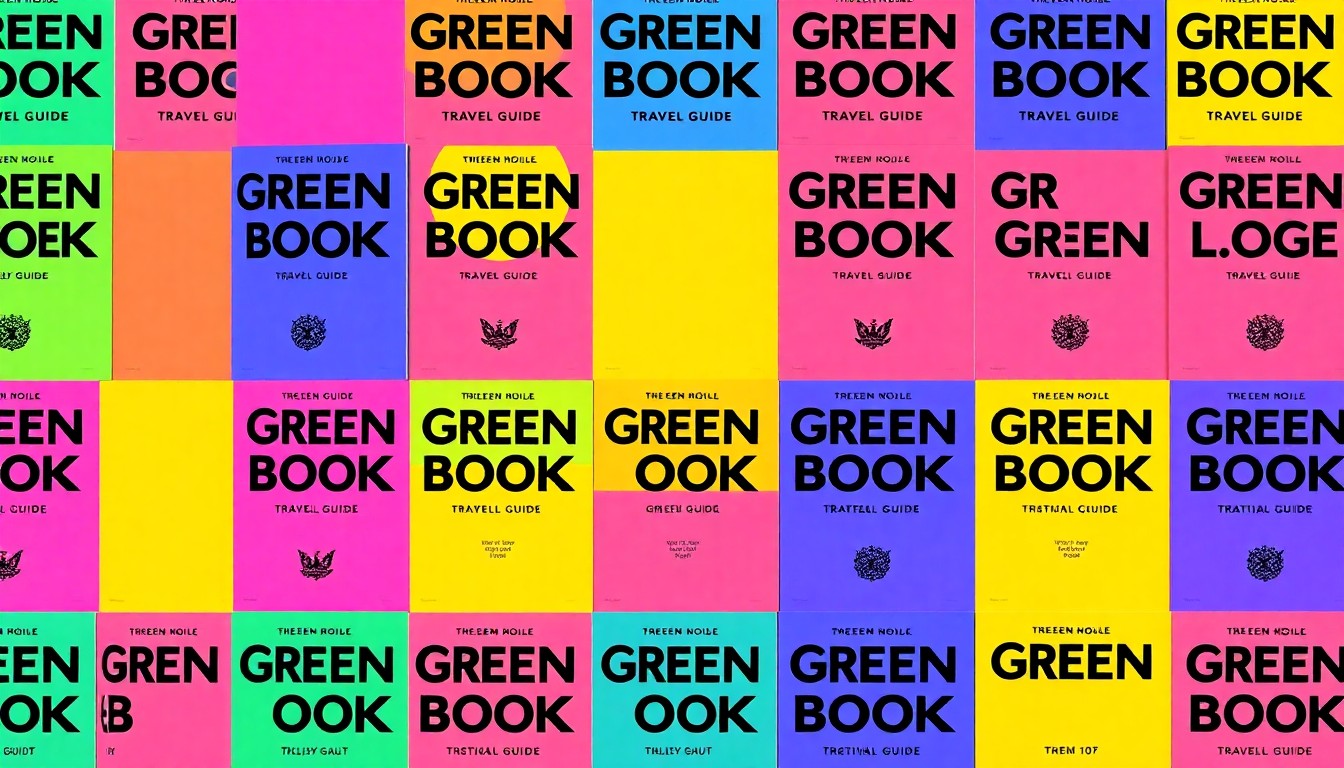 The restoration of Greenville's last Green Book home aims to preserve an important piece of the city's segregated past and honor the resilience of its Black community.Greenville Today
A historic home at 212 Asbury Avenue in Greenville, once listed in the 1954 Green Book travel guide for Black Americans, has cleared its first hurdle toward rezoning by the city council. Greenville resident Traci Lake and partners hope to turn the deteriorated landmark into a short-term rental that immerses visitors in its Black cultural history, after a final council vote and fundraising push.
Why it matters
The Green Book was a critical resource during the Jim Crow era, guiding Black travelers to welcoming businesses and accommodations. Preserving this last remaining Green Book home in Greenville helps tell an important story about the city's segregated past and the ongoing struggle for racial justice.
The details
The home at 212 Asbury Avenue was once a Green Book-listed tourist house, providing lodging for Black travelers in a time of widespread discrimination. Now in a state of disrepair, the property's new owners hope to restore the building and operate it as a short-term rental that highlights its historic significance.
- The home recently cleared its first hurdle for rezoning by Greenville City Council.
- A final council vote and fundraising push are still ahead for the restoration project.
The players
Traci Lake
A Greenville resident leading the effort to restore the historic Green Book home.
Greenville City Council
The local governing body that must approve the rezoning for the property's redevelopment.
What’s next
The project still requires a final vote by the Greenville City Council and a successful fundraising campaign to restore the deteriorated property.
The takeaway
The effort to revive Greenville's last remaining Green Book home is a meaningful step in acknowledging the city's history of racial segregation and honoring the resilience of the Black community. If successful, the restored property could become an educational resource and tourist destination that celebrates Greenville's diverse heritage.
Greenville top stories


Greenville events

Apr. 19, 2026
Greenville Swamp Rabbits vs. Atlanta Gladiators

Apr. 21, 2026
Stifel Stars on Ice