- Today
- Holidays
- Birthdays
- Reminders
- Cities
- Atlanta
- Austin
- Baltimore
- Berwyn
- Beverly Hills
- Birmingham
- Boston
- Brooklyn
- Buffalo
- Charlotte
- Chicago
- Cincinnati
- Cleveland
- Columbus
- Dallas
- Denver
- Detroit
- Fort Worth
- Houston
- Indianapolis
- Knoxville
- Las Vegas
- Los Angeles
- Louisville
- Madison
- Memphis
- Miami
- Milwaukee
- Minneapolis
- Nashville
- New Orleans
- New York
- Omaha
- Orlando
- Philadelphia
- Phoenix
- Pittsburgh
- Portland
- Raleigh
- Richmond
- Rutherford
- Sacramento
- Salt Lake City
- San Antonio
- San Diego
- San Francisco
- San Jose
- Seattle
- Tampa
- Tucson
- Washington
Charleston Quarterfinals Showcase Patience and Discipline on Clay
As the sun sets on the green courts, the narrative shifts from raw skill to strategic conservatism
Apr. 13, 2026 at 1:42am
Got story updates? Submit your updates here. ›
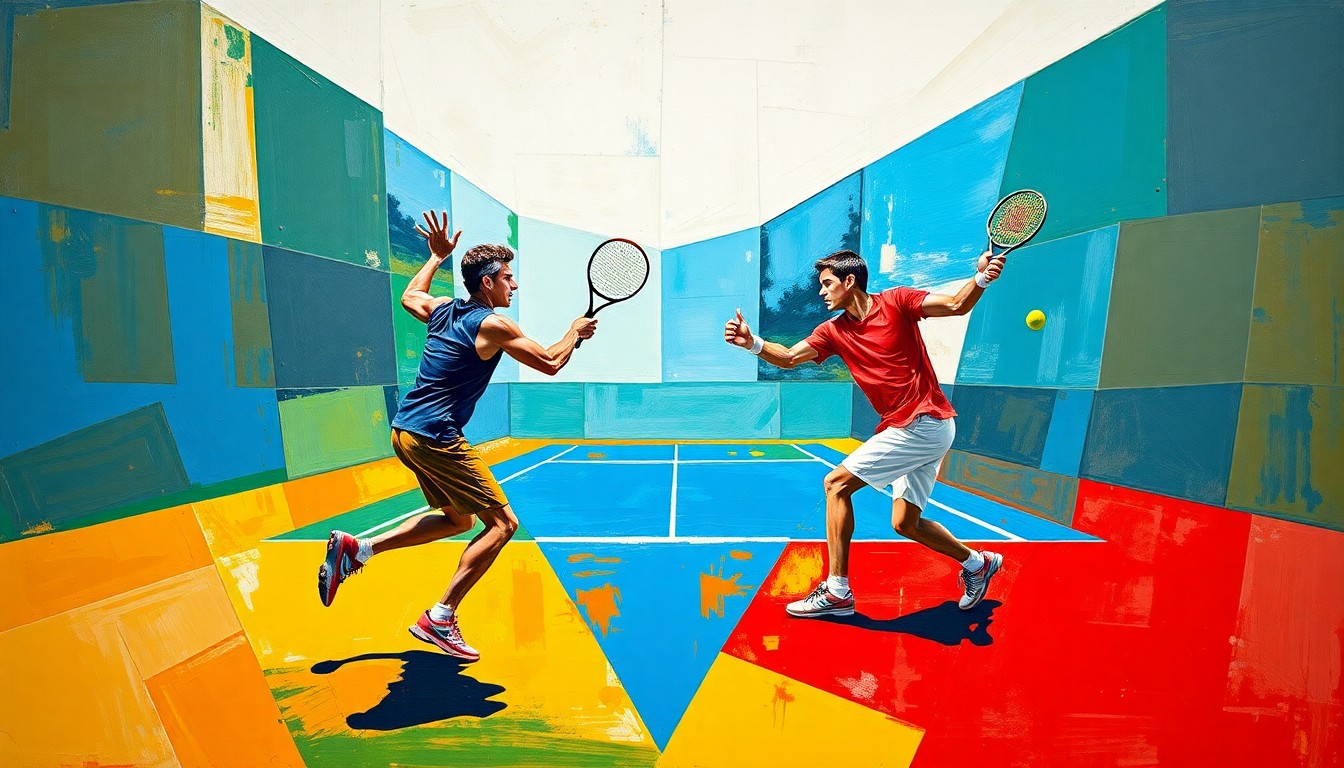
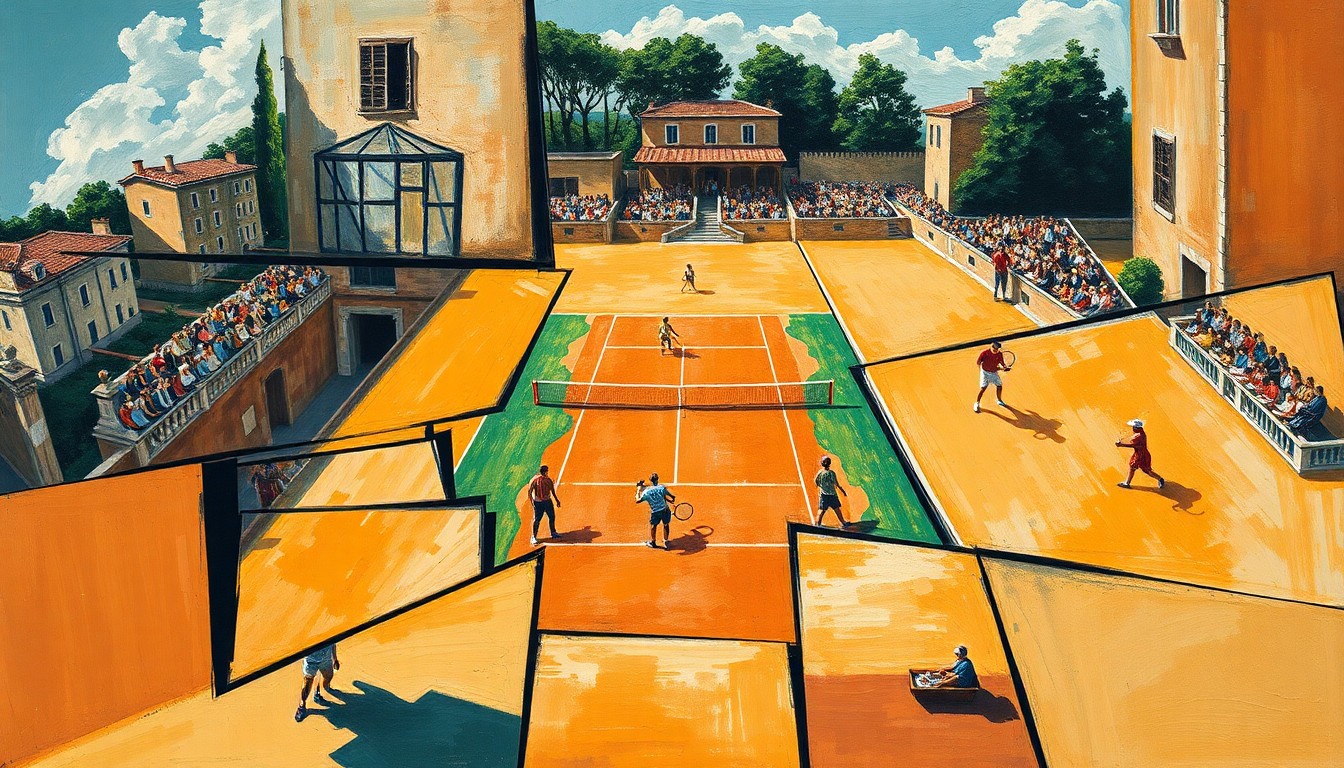 The Charleston quarterfinals showcase a chess match of strategic decision-making, where discipline and patience on the slow clay courts are as important as raw power.Charleston Today
The Credit One Charleston Open quarterfinals are a test of patience, poise, and preference for the slow-burn tempo that clay fosters. The best players here are the ones who resist the urge to accelerate their plan every rally, extending points with disciplined depth and choosing moments to attack with purpose. The narrative isn't simply who wins each match, but how players manage expectation, pressure, and the subtle art of choosing when to be aggressive versus when to stay disciplined.
Why it matters
Charleston's green clay rewards restraint, forcing players to time their aggression and convert consistency into closing power in critical moments. This magnifies the value of strategic decision-making over pure power, challenging the traditional notions of clay-court mastery.
The details
On the Charleston quarterfinals stage, the matches are as much about mindset as skill. Players who can blend comfort on clay with hard-court confidence are the ones poised to carry momentum into the next swing of events. The newer, more versatile craft players are pushing the traditional grinders to redefine what 'clay-friendly' means in 2026, as the sport's future may hinge less on the sheer volume of winners and more on the quality of choices inside long points.
- The quarterfinals are taking place this weekend in Charleston, South Carolina.
The players
Jessica Pegula
The defending champion and top seed, Pegula blends relentless ball-tracking with quiet, surgical court positioning. Her success on this surface is a reminder that titles are often won by the players who are boringly reliable when the stakes are highest.
Madison Keys
Keys brings a fearless, flat-out power game to her quarterfinal matchup against Belinda Bencic. Bencic answers with craft, variety, and an understanding of how to tilt the court to her advantage.
Belinda Bencic
Bencic's willingness to mix speeds and spin, interrupting Keys' rhythm rather than chasing every blistering exchange, could be the key to her success on the slow Charleston clay.
Iva Jovic
Jovic, in a breakout Charleston debut, carries momentum from a hard-court season that sharpened her movement and adaptability on clay. Her readiness to adjust, slide, and shape points could tilt the balance against the consistent Anna Kalinskaya.
Anna Kalinskaya
Kalinskaya's baseline consistency and clean elevation make her a formidable opponent on clay, but the rising Jovic may represent a changing of the guard as the newer, more versatile craft players push the traditional grinders.
What’s next
The winners of the Charleston quarterfinals will advance to the semifinals, where they will face off for a spot in the final.
The takeaway
The Charleston quarterfinals showcase a shift in the sport, where discipline and strategic decision-making are becoming as important as raw power and speed on the clay courts. The players who can blend comfort on clay with hard-court confidence, and who understand when to attack versus when to grind, will be the ones to watch as the clay season progresses.
Charleston top stories

Charleston events
Apr. 15, 2026
WYATT FLORES
Apr. 15, 2026
Bad Suns: ACCELERATOUR USA 2026
Apr. 15, 2026
Rick Springfield