- Today
- Holidays
- Birthdays
- Reminders
- Cities
- Atlanta
- Austin
- Baltimore
- Berwyn
- Beverly Hills
- Birmingham
- Boston
- Brooklyn
- Buffalo
- Charlotte
- Chicago
- Cincinnati
- Cleveland
- Columbus
- Dallas
- Denver
- Detroit
- Fort Worth
- Houston
- Indianapolis
- Knoxville
- Las Vegas
- Los Angeles
- Louisville
- Madison
- Memphis
- Miami
- Milwaukee
- Minneapolis
- Nashville
- New Orleans
- New York
- Omaha
- Orlando
- Philadelphia
- Phoenix
- Pittsburgh
- Portland
- Raleigh
- Richmond
- Rutherford
- Sacramento
- Salt Lake City
- San Antonio
- San Diego
- San Francisco
- San Jose
- Seattle
- Tampa
- Tucson
- Washington
Study Raises Doubts About Fish Oil's Brain Benefits
Research finds omega-3 fatty acid EPA may impair recovery after brain injury
Apr. 8, 2026 at 5:38am
Got story updates? Submit your updates here. ›
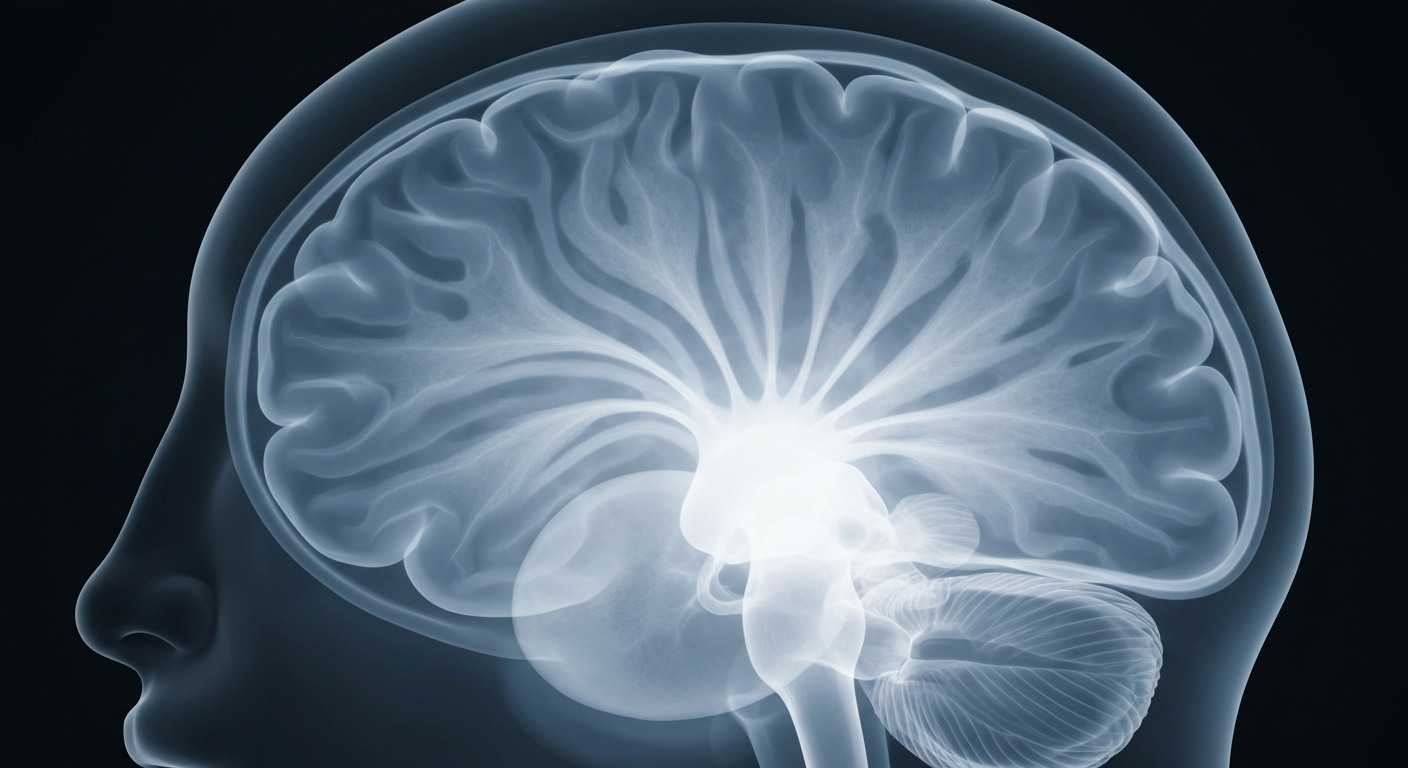 An X-ray view of the brain's inner workings reveals new insights into how omega-3 supplements may impact recovery from traumatic brain injuries.Charleston Today
A study led by researchers at the Medical University of South Carolina found that the omega-3 fatty acid EPA found in many fish oil supplements may actually impair the brain's ability to recover after repetitive mild traumatic brain injuries, contrary to the commonly held belief that fish oil has neuroprotective benefits.
Why it matters
The findings challenge the widespread assumption that fish oil supplements are universally beneficial for brain health, especially for those who have experienced head injuries. The study highlights the need for a more nuanced understanding of how different omega-3 fatty acids like EPA and DHA interact with the brain under various conditions.
The details
The researchers examined how long-term fish oil supplementation affected the brain's response to repeated mild head impacts in mouse models. They found that higher levels of EPA in the brain were associated with reduced capacity for vascular repair and stability, as well as increased tau pathology, after injury. Further experiments on human brain cells showed that EPA, but not DHA, was linked to weaker endothelial functions important for maintaining the blood-brain barrier.
- The study was published on April 8, 2026 in the journal Cell Reports.
The players
Onder Albayram
The lead investigator of the study and an associate professor of neuroscience at the Medical University of South Carolina.
Medical University of South Carolina
The institution where the study was conducted.
What they’re saying
“Fish oil supplements are everywhere, and people take them for a range of reasons, often without a clear understanding of their long-term effects.”
— Onder Albayram, Associate Professor, Medical University of South Carolina
“In a sensitive brain state modeled in mice, long-term fish oil supplementation revealed a delayed vulnerability. The animals showed poorer neurological and spatial learning performance over time, together with clear evidence of vascular-associated tau accumulation in the cortex, linking impaired recovery to neurovascular dysfunction and perivascular tau pathology.”
— Onder Albayram, Associate Professor, Medical University of South Carolina
What’s next
The researchers plan to further investigate how EPA is taken up, transported and distributed in the body, with a focus on fatty acid transport mechanisms. They hope this will provide a better understanding of the context-dependent effects of omega-3 supplements on brain health.
The takeaway
This study challenges the assumption that fish oil supplements are universally beneficial for the brain, especially for those who have experienced head injuries. It highlights the need for a more nuanced understanding of how different omega-3 fatty acids like EPA and DHA interact with the brain under various conditions.
Charleston top stories



Charleston events

Apr. 9, 2026
Snarky Puppy

Apr. 10, 2026
GOV'T MULE