- Today
- Holidays
- Birthdays
- Reminders
- Cities
- Atlanta
- Austin
- Baltimore
- Berwyn
- Beverly Hills
- Birmingham
- Boston
- Brooklyn
- Buffalo
- Charlotte
- Chicago
- Cincinnati
- Cleveland
- Columbus
- Dallas
- Denver
- Detroit
- Fort Worth
- Houston
- Indianapolis
- Knoxville
- Las Vegas
- Los Angeles
- Louisville
- Madison
- Memphis
- Miami
- Milwaukee
- Minneapolis
- Nashville
- New Orleans
- New York
- Omaha
- Orlando
- Philadelphia
- Phoenix
- Pittsburgh
- Portland
- Raleigh
- Richmond
- Rutherford
- Sacramento
- Salt Lake City
- San Antonio
- San Diego
- San Francisco
- San Jose
- Seattle
- Tampa
- Tucson
- Washington
Beaufort Today
By the People, for the People
Mangrove Crab Expands Range Beyond Namesake Habitat
Warming seas drive Atlantic mangrove fiddler crab northward into temperate salt marshes
Apr. 9, 2026 at 3:32am
Got story updates? Submit your updates here. ›
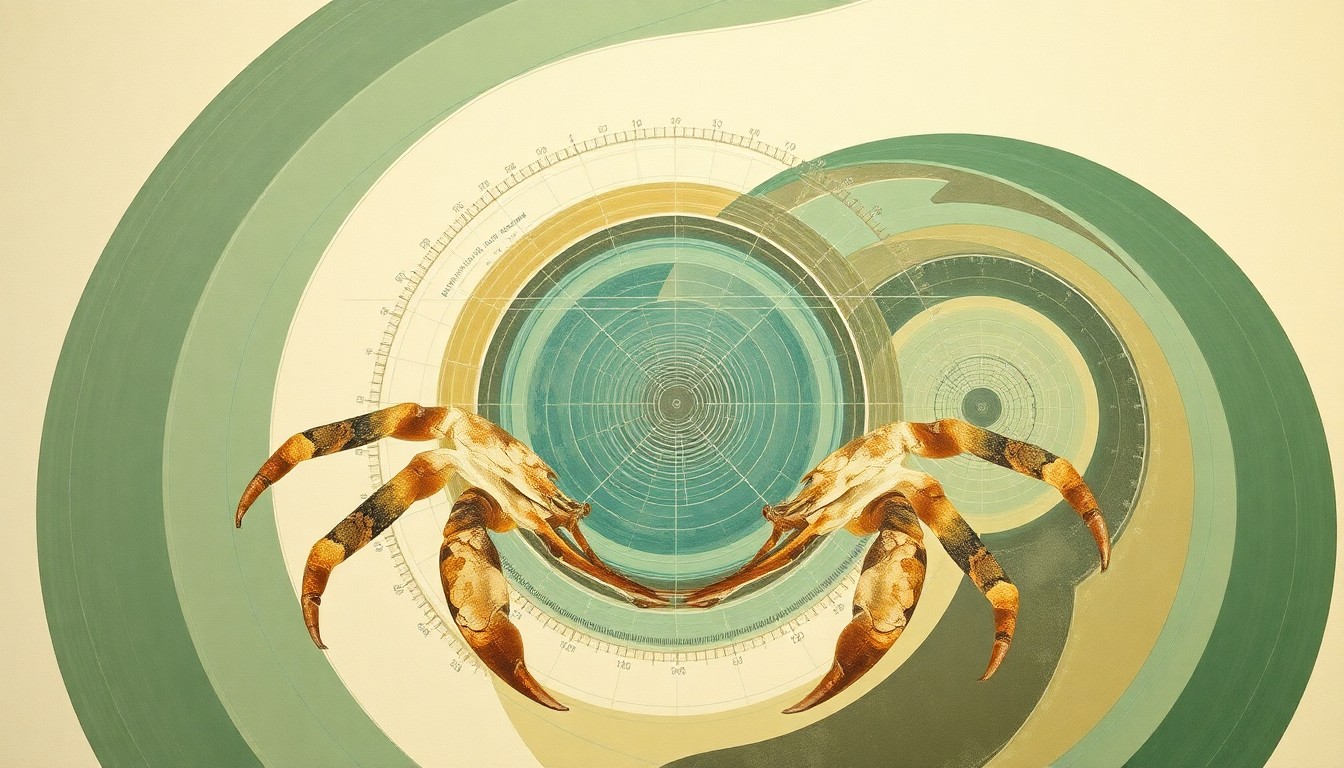 As warming seas push the mangrove fiddler crab northward, its adaptive migration into temperate salt marshes reflects the broader "tropicalization" of coastal ecosystems.Beaufort Today
New research from William & Mary's Batten School and VIMS shows the Atlantic mangrove fiddler crab (Leptuca thayeri) is settling into temperate salt marshes along the southeastern U.S. coast, expanding its range nearly 200 miles north of its traditional habitat in Florida mangrove forests. This climate-driven range shift reflects a broader global pattern known as "tropicalization" as warm-water species move poleward into cooler regions.
Why it matters
The mangrove fiddler crab's expansion into new habitats is one of the clearest examples of climate change's impact on marine ecosystems. As sea surface temperatures rise, warm-water species are adapting to entirely new environments, with unknown consequences for the existing ecosystems they enter.
The details
The study, published in the Journal of Crustacean Biology, documents the mangrove fiddler crab as far north as Beaufort, South Carolina. The crabs are able to thrive in the salt marshes by hatching their eggs on the highest tides and having a flexible diet and burrowing behavior. Sea surface temperatures along the southeastern U.S. coast have risen by over 1 degree Celsius in the past 20 years, enabling the crabs to extend their range.
- The mangrove fiddler crab has been observed as far north as Beaufort, South Carolina, almost 200 miles beyond its traditional range in Florida.
- Based on current warming trends, the researchers estimate the species could reach North Carolina in about 5 years.
The players
David S. Johnson
Associate professor at the Batten School of Coastal & Marine Sciences & VIMS.
Valerie Acosta-Rodríguez
Laboratory specialist at the Batten School & VIMS and lead author of the study.
William & Mary's Batten School
The research institution that conducted the study on the mangrove fiddler crab's range expansion.
VIMS
The Virginia Institute of Marine Science, which collaborated with the Batten School on the study.
What they’re saying
“You have the mangrove fiddler crab outrunning the mangroves. That's what makes this so fascinating. It's one of the clearest examples of climate change that you can see.”
— David S. Johnson, Associate professor
“The crabs hatch their eggs on the highest tide of a new moon, and the larvae spend about a month in the water. Currents can carry them north, but the temperature has to be within a threshold that allows them to complete their life cycle and move to land.”
— Valerie Acosta-Rodríguez, Laboratory specialist
“Mangrove fiddler crabs burrow deeper than other species of fiddler crabs, which may help them survive the winter. We also observed them next to hard structures like docks and around marinas where they have additional shelter.”
— Valerie Acosta-Rodríguez, Laboratory specialist
What’s next
The researchers now hope to better understand what the crabs' presence means for the ecosystems they are entering, as fiddler crabs are known to be "ecosystem engineers" that can influence plants, nutrient cycling, and interact with other species.
The takeaway
The mangrove fiddler crab's range expansion is a clear example of how climate change is driving marine species to adapt to new environments, with potentially significant impacts on existing ecosystems. This study highlights the importance of public participation in documenting these changes as they unfold.