- Today
- Holidays
- Birthdays
- Reminders
- Cities
- Atlanta
- Austin
- Baltimore
- Berwyn
- Beverly Hills
- Birmingham
- Boston
- Brooklyn
- Buffalo
- Charlotte
- Chicago
- Cincinnati
- Cleveland
- Columbus
- Dallas
- Denver
- Detroit
- Fort Worth
- Houston
- Indianapolis
- Knoxville
- Las Vegas
- Los Angeles
- Louisville
- Madison
- Memphis
- Miami
- Milwaukee
- Minneapolis
- Nashville
- New Orleans
- New York
- Omaha
- Orlando
- Philadelphia
- Phoenix
- Pittsburgh
- Portland
- Raleigh
- Richmond
- Rutherford
- Sacramento
- Salt Lake City
- San Antonio
- San Diego
- San Francisco
- San Jose
- Seattle
- Tampa
- Tucson
- Washington
R.I., Mass. Gas Prices Stable as Markets Brace for U.S. Blockade of Strait of Hormuz
Uncertainty returns to oil and gas markets after failed peace talks between U.S. and Iran.
Apr. 13, 2026 at 2:55pm
Got story updates? Submit your updates here. ›
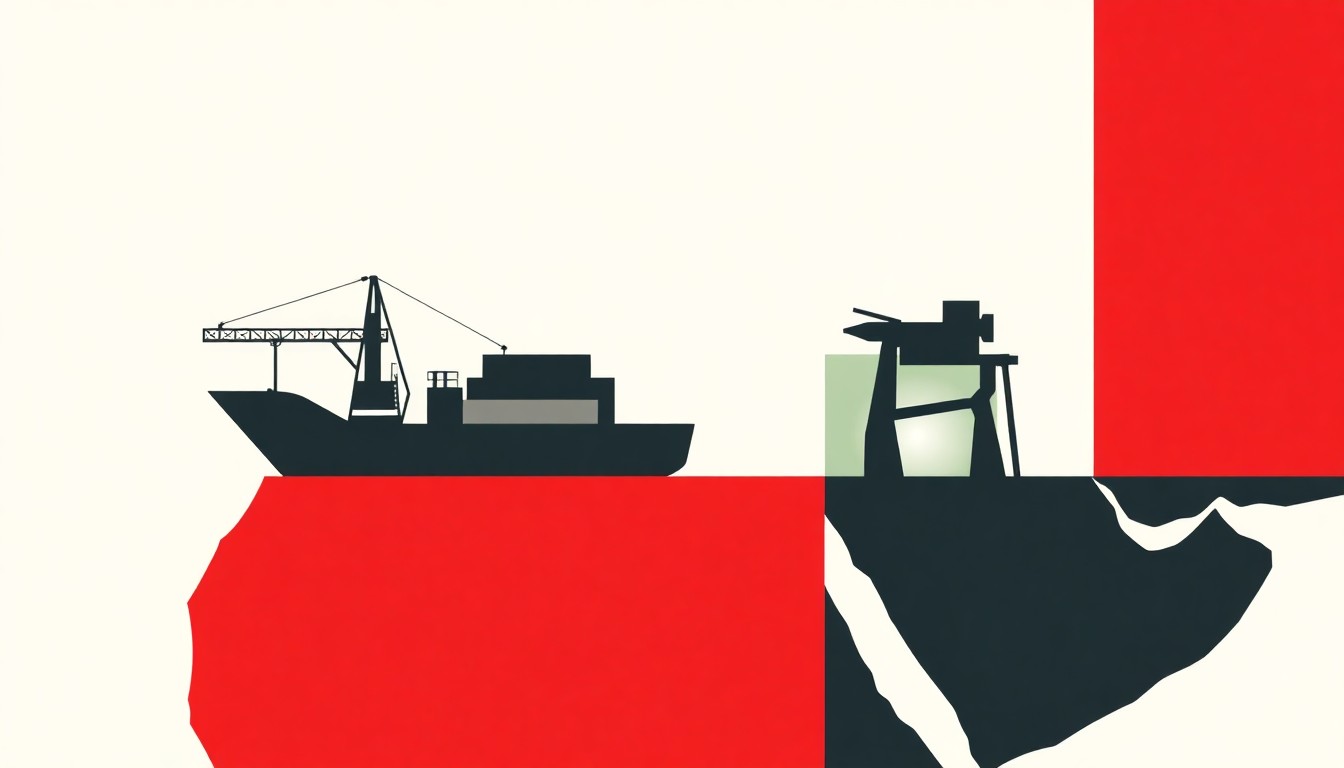 As tensions escalate between the U.S. and Iran, the threat of a blockade in the Strait of Hormuz looms large over the global oil market.Providence Today
The average weekly price of self-serve, regular unleaded gasoline in Rhode Island dropped 1 cent to $3.98 per gallon, while the average price in Massachusetts increased 3 cents to $3.96 per gallon. However, Northeast gas prices remain vulnerable to volatility as petroleum markets react to developments in the ongoing conflict between the U.S. and Iran.
Why it matters
The Strait of Hormuz is a critical global oil chokepoint, with around 20% of the world's oil supply passing through it. A U.S. blockade of the strait could significantly disrupt global oil markets and lead to further spikes in gas prices across the Northeast region.
The details
Oil prices finished the week with sharp losses last week, settling in the mid-$90s in response to the announcement of a two-week ceasefire between the United States and Iran. However, peace talks between U.S. and Iranian delegations this past weekend ended with no agreement, and oil prices climbed back above $100 in overnight trading after the U.S. Central Command announced a military blockade of the Strait of Hormuz would begin on Monday.
- On April 8, oil prices fell by nearly $20 when the ceasefire was announced.
- This past weekend, peace talks between the U.S. and Iran ended without an agreement.
- On Monday, the U.S. Central Command announced a military blockade of the Strait of Hormuz would begin.
The players
AAA Northeast
A motor club and leisure travel organization that provides automotive, travel, and insurance services.
U.S. Central Command
The unified combatant command of the United States Armed Forces responsible for the Middle East, North Africa, and Central Asia.
What they’re saying
“Pump prices took a bit of a breather last week, holding steady and even falling by a penny or two in some states as petroleum markets reacted to signs of deescalation in the ongoing conflict. But as the weekend ended without a peace agreement, uncertainty was brought back to the forefront in oil and gas markets.”
— Mark Schieldrop, Senior Spokesperson, AAA Northeast
What’s next
The U.S. and Iran will continue negotiations in an attempt to reach a peace agreement and avoid a potential military blockade of the Strait of Hormuz, which could further disrupt global oil markets and lead to higher gas prices in the Northeast.
The takeaway
The ongoing tensions between the U.S. and Iran continue to create uncertainty in global oil markets, leading to volatility in gas prices across the Northeast region. The potential for a U.S. blockade of the critical Strait of Hormuz could significantly impact the supply and cost of gasoline for consumers in Rhode Island and Massachusetts.
Providence top stories



Providence events

Apr. 15, 2026
The Outsiders (Touring)
Apr. 16, 2026
Crowder w/ Seph Schlueter