- Today
- Holidays
- Birthdays
- Reminders
- Cities
- Atlanta
- Austin
- Baltimore
- Berwyn
- Beverly Hills
- Birmingham
- Boston
- Brooklyn
- Buffalo
- Charlotte
- Chicago
- Cincinnati
- Cleveland
- Columbus
- Dallas
- Denver
- Detroit
- Fort Worth
- Houston
- Indianapolis
- Knoxville
- Las Vegas
- Los Angeles
- Louisville
- Madison
- Memphis
- Miami
- Milwaukee
- Minneapolis
- Nashville
- New Orleans
- New York
- Omaha
- Orlando
- Philadelphia
- Phoenix
- Pittsburgh
- Portland
- Raleigh
- Richmond
- Rutherford
- Sacramento
- Salt Lake City
- San Antonio
- San Diego
- San Francisco
- San Jose
- Seattle
- Tampa
- Tucson
- Washington
Jeff Bezos' Washington Post Cuts Newsroom Amid Mass Layoffs
Bezos cited lack of willingness to invest in the newspaper's mission as reason for the cuts.
Feb. 5, 2026 at 8:55pm
Got story updates? Submit your updates here. ›
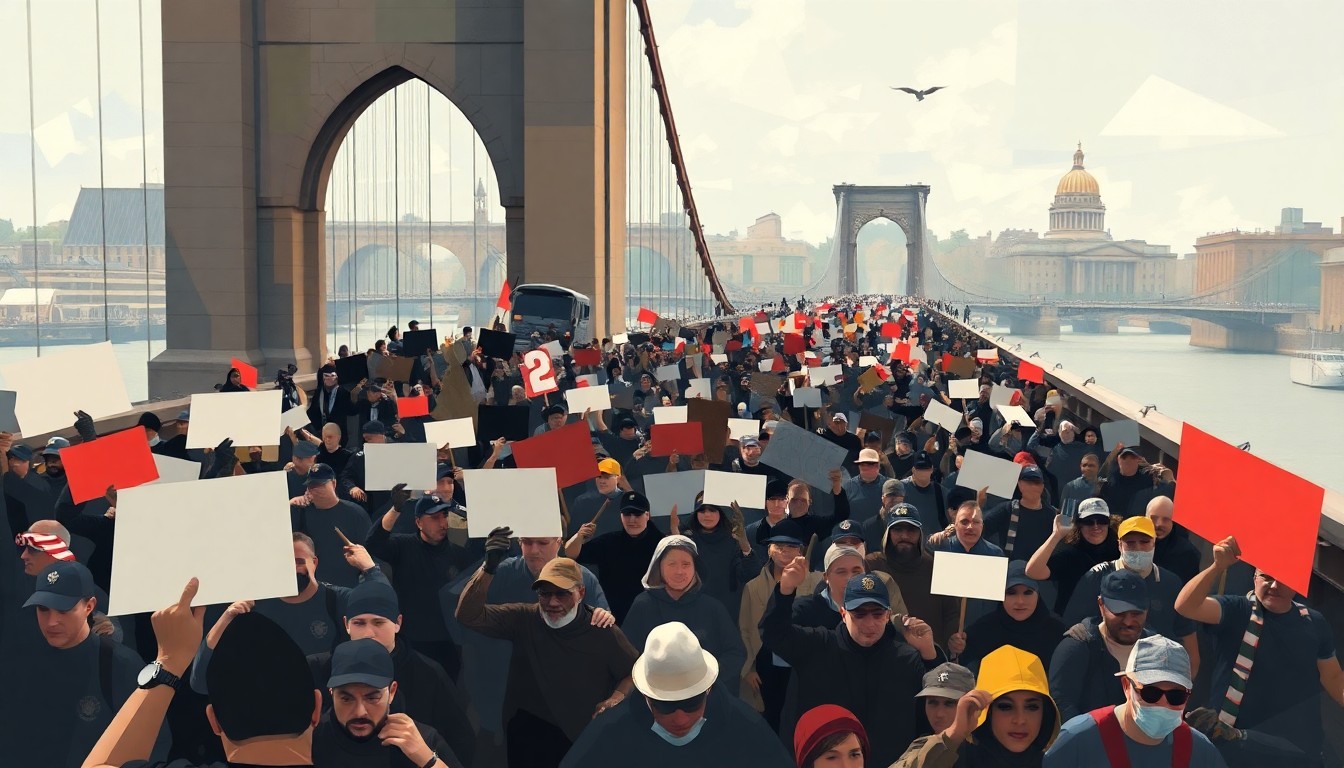
Amazon founder Jeff Bezos, who acquired the Washington Post in 2013, has laid off a third of the newspaper's staff in a move that has drawn widespread criticism. The layoffs come amid a broader decline in the U.S. news industry, with fewer journalists, thinner reporting, and increasingly desperate advertising content cited as factors. The Washington Post Newspaper Guild has planned a demonstration to protest the cuts, arguing that Bezos has the resources to retain staff and that the newsroom cannot be "hollowed out without consequences for its credibility, its reach and its future."
Why it matters
The Washington Post is one of the United States' oldest and most credible newspapers, and Bezos' decision to drastically reduce its newsroom staff comes at a fraught time for the Fourth Estate. The cuts could diminish the availability of credible reporting and further erode public trust in the media, which has already been in sustained decline.
The details
Bezos acquired the then-ailing Washington Post in 2013, with plans to revive the 148-year-old newspaper. However, in recent years, the paper has faced backlash from readers over Bezos' interventions in editorial processes, including spiking the Editorial Board's endorsement of former Vice President Kamala Harris and reshaping the opinion section to better fit his viewpoints. This has led to a rapid decline in reader trust and tens of thousands of subscription cancellations. Bezos has now demanded extensive newsroom cuts, slashing the paper's masthead by a third. One reporter learned of her dismissal while on assignment in war-torn Ukraine, and several of the paper's sections were fully gutted.
- In 2013, Bezos acquired the Washington Post.
- In late 2024, scores of Washington Post readers canceled their subscriptions after Bezos made the controversial decision to intervene in editorial processes.
- In early 2025, Facebook announced the discontinuation of its fact-checking partnerships, enabling misinformation and disinformation to run rampant on the platform.
- In February 2026, the Washington Post Newspaper Guild planned a demonstration to protest the cuts.
The players
Jeff Bezos
The founder of Amazon and the current owner of the Washington Post.
Marty Baron
The former executive editor of the Washington Post, who described the day of the layoffs as "among the darkest days in the history of one of the world's greatest news organizations."
Washington Post Newspaper Guild
The union representing Washington Post employees, which planned a demonstration to protest the cuts and demanded a change in ownership.
What they’re saying
“These layoffs are not inevitable. A newsroom cannot be hollowed out without consequences for its credibility, its reach and its future.”
— Washington Post Newspaper Guild
“If Jeff Bezos is no longer willing to invest in the mission that has defined this paper for generations and serve the millions who depend on Post journalism, the[n] The Post deserves a steward that will.”
— Washington Post Newspaper Guild
What’s next
The Washington Post Newspaper Guild planned a demonstration on February 5 to protest the cuts.
The takeaway
Bezos' decision to drastically reduce the Washington Post's newsroom staff at a time when the news industry is already in sustained decline could further erode public trust in the media and diminish the availability of credible reporting, raising concerns about the future of one of the United States' most respected newspapers.