- Today
- Holidays
- Birthdays
- Reminders
- Cities
- Atlanta
- Austin
- Baltimore
- Berwyn
- Beverly Hills
- Birmingham
- Boston
- Brooklyn
- Buffalo
- Charlotte
- Chicago
- Cincinnati
- Cleveland
- Columbus
- Dallas
- Denver
- Detroit
- Fort Worth
- Houston
- Indianapolis
- Knoxville
- Las Vegas
- Los Angeles
- Louisville
- Madison
- Memphis
- Miami
- Milwaukee
- Minneapolis
- Nashville
- New Orleans
- New York
- Omaha
- Orlando
- Philadelphia
- Phoenix
- Pittsburgh
- Portland
- Raleigh
- Richmond
- Rutherford
- Sacramento
- Salt Lake City
- San Antonio
- San Diego
- San Francisco
- San Jose
- Seattle
- Tampa
- Tucson
- Washington
Quakertown Today
By the People, for the People
Quakertown Police Cleared of Wrongdoing in Student Protest Clash
After-action report finds officers used appropriate force, despite community backlash over police chief's actions.
Apr. 16, 2026 at 11:41pm
Got story updates? Submit your updates here. ›
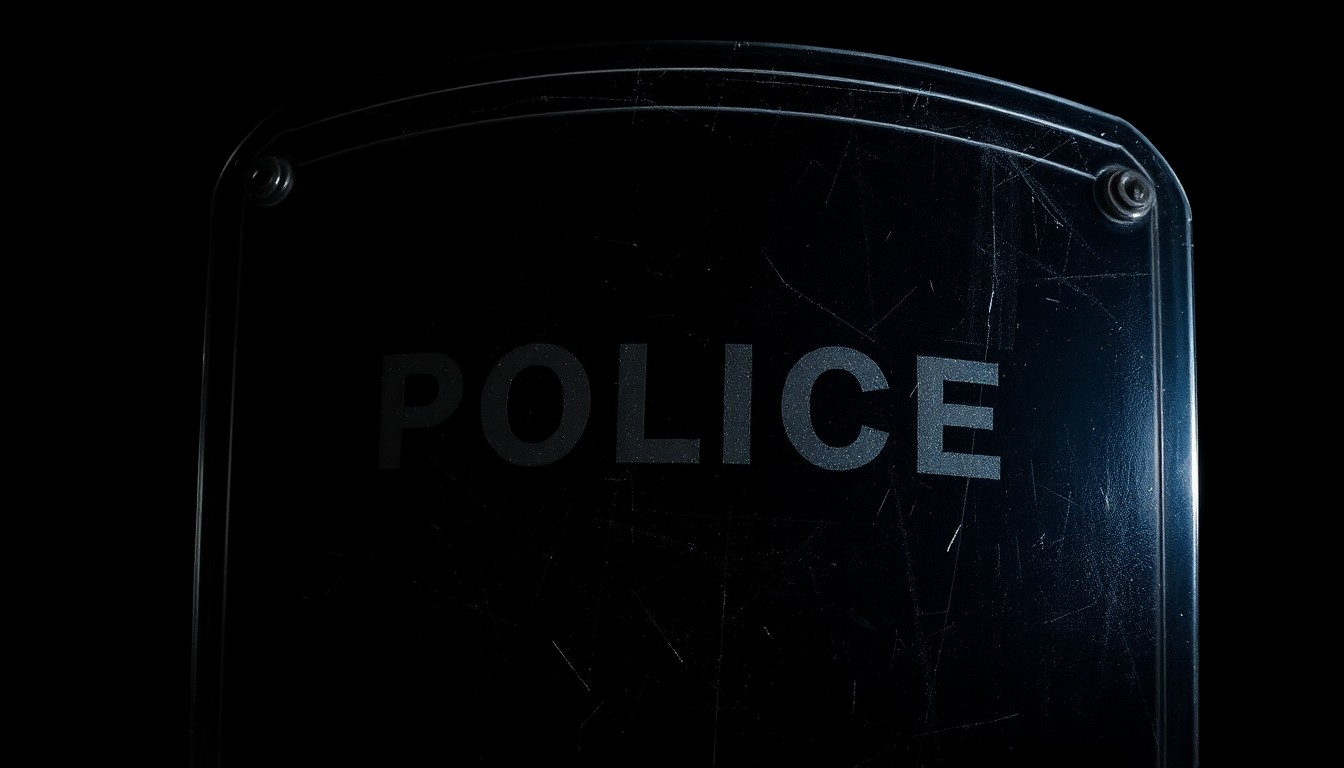 A police riot shield bears the marks of a confrontation, exposing the harsh realities of clashes between law enforcement and student protesters.Quakertown Today
An after-action report by the Police Chiefs' Association of Bucks County has cleared Quakertown police officers of wrongdoing during a violent clash with high school student protesters in February. The report found that officers acted with 'restraint' and that a 'higher level of force' such as tear gas or tasers would have been justified, despite backlash over the police chief's alleged use of a chokehold on a student.
Why it matters
The incident sparked outrage in the community and raised questions about police tactics when dealing with student protesters. The report's findings aim to provide clarity and transparency around the officers' actions, though some students maintain they did not realize the plainclothes police chief was law enforcement.
The details
According to the report, Quakertown police were informed in advance about the planned student protest against Immigration and Customs Enforcement (ICE) on February 20. When the protest turned 'unruly' with students blocking traffic and throwing ice balls at cars, officers warned the protesters several times before Police Chief Scott McElree moved in to make arrests. McElree was allegedly put in a 'violent, somewhat coordinated attack' by students, and the report states he would have been justified in using greater force like tear gas or tasers, though it refuted claims he used a chokehold.
- The student protest occurred on February 20, 2026.
- The Police Chiefs' Association of Bucks County released their after-action report on April 16, 2026.
The players
Quakertown Police Department
The local police department in Quakertown, Pennsylvania that responded to the student protest.
Scott McElree
The Quakertown Police Chief who was involved in the clash with student protesters and was the subject of community backlash.
Police Chiefs' Association of Bucks County
The panel of four police chiefs from other Bucks County jurisdictions that investigated the Quakertown police response and released the after-action report.
Ashley Orellana
A senior at Quakertown High School who attended the protest and said she and others were confused because they did not know the plainclothes McElree was a police officer.
Donald Souders
The attorney representing a 16-year-old student charged with aggravated assault, who said the students did not know McElree was a police officer.
What they’re saying
“Chief McElree was the victim that day.”
— Police Chiefs' Association of Bucks County, Panel
“I was confused, everyone was confused, because nobody knew it was a policeman, he was in regular clothes, we were just like, why is this man attacking us?”
— Ashley Orellana, Quakertown High School Senior
“None of these juveniles that were there, charged or otherwise, knew or had any reasonable reason that this alleged victim was a police officer. He didn't show up in a marked police car. I don't believe he was on duty, he was wearing plain clothes, he didn't have any badge or identification on hand, didn't have a weapon, a handgun or anything like that.”
— Donald Souders, Attorney
What’s next
The Police Chiefs' Association report recommended that all plainclothes officers have some sort of easily-identifiable marking showing they are law enforcement, to avoid confusion in future incidents.
The takeaway
This case highlights the ongoing tensions between police and student protesters, and the need for clear communication and identification of officers to build trust and avoid escalation, even when police are operating within policy guidelines.