- Today
- Holidays
- Birthdays
- Reminders
- Cities
- Atlanta
- Austin
- Baltimore
- Berwyn
- Beverly Hills
- Birmingham
- Boston
- Brooklyn
- Buffalo
- Charlotte
- Chicago
- Cincinnati
- Cleveland
- Columbus
- Dallas
- Denver
- Detroit
- Fort Worth
- Houston
- Indianapolis
- Knoxville
- Las Vegas
- Los Angeles
- Louisville
- Madison
- Memphis
- Miami
- Milwaukee
- Minneapolis
- Nashville
- New Orleans
- New York
- Omaha
- Orlando
- Philadelphia
- Phoenix
- Pittsburgh
- Portland
- Raleigh
- Richmond
- Rutherford
- Sacramento
- Salt Lake City
- San Antonio
- San Diego
- San Francisco
- San Jose
- Seattle
- Tampa
- Tucson
- Washington
Economist Proposes Dividing Moon Into Equal Parcels for All Earthlings
Antony Davies argues that establishing clear property rights on the moon is crucial before large-scale settlement and investment begins.
Apr. 19, 2026 at 7:54am
Got story updates? Submit your updates here. ›
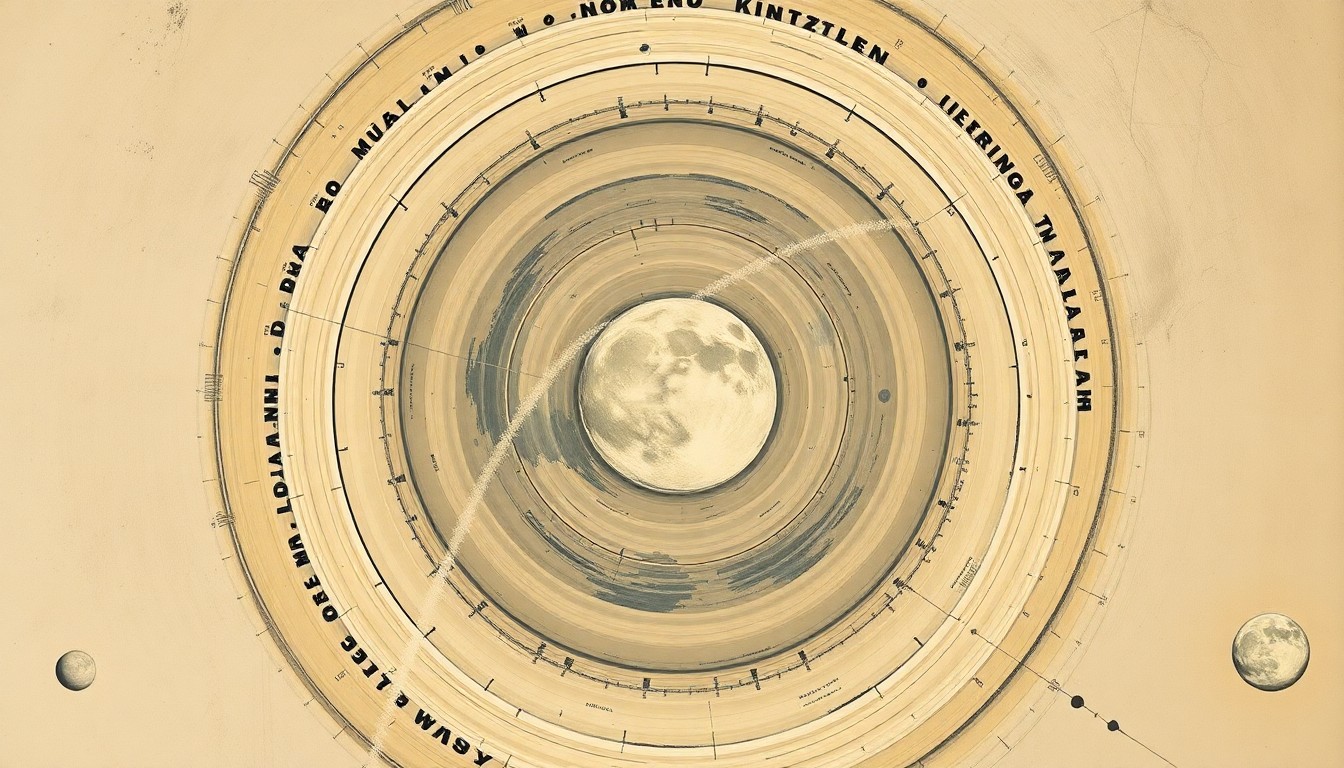 An equitable system of lunar property rights could unlock new economic and technological opportunities for all of humanity.Today in Pittsburgh
Economist Antony Davies argues that the moon should be divided into equal parcels and randomly assigned to every person on Earth, in order to establish clear property rights before the moon becomes a 'playground for politicians and their cronies'. Davies says this egalitarian approach would give everyone a stake in recognizing the system's legitimacy and encourage entrepreneurship and investment, rather than leaving lunar ownership to be decided by governments.
Why it matters
As space travel becomes more accessible, the question of who owns the moon will become increasingly important. Without clear property rights, the moon risks being divided up by powerful governments and special interests, rather than being developed in a way that benefits all of humanity. Establishing an equitable system of lunar property rights upfront could unlock new economic opportunities and technological advancements.
The details
Davies proposes dividing the moon's 9 billion acres into equal parcels and randomly assigning one to each person on Earth. This would spread initial claims broadly, making the system harder for governments or consortiums to control. The parcels would be personal and transferable, allowing ownership to shift through voluntary exchange rather than political favoritism. Davies says a transparent, blockchain-based public registry could manage the system, with identity verification using existing tools like passports and biometrics.
- In the 19th century, the Homestead Act opened western land to private ownership, but today the federal government owns over half of the American West.
- The Apollo missions ended in the 1970s, and since then Americans have not ventured farther from Earth than New York is from Pittsburgh.
The players
Antony Davies
An economist and adjunct scholar at the Cato Institute/InsideSources who is proposing a system to divide ownership of the moon.
What they’re saying
“Property rights are not some legal ornament we add after the interesting work is done. They are what make the interesting work possible.”
— Antony Davies, Economist
“Leave ownership undefined, and the moon will become a playground for politicians and their cronies.”
— Antony Davies, Economist
What’s next
With the tools already at our disposal, the people of Earth can establish a system of lunar property rights before large-scale settlement and investment begins.
The takeaway
Dividing the moon into equal parcels and randomly assigning them to all people on Earth could create an egalitarian system of property rights that encourages entrepreneurship and investment, rather than leaving the moon's future to be decided by powerful governments and special interests.
Pittsburgh top stories



Pittsburgh events

Apr. 19, 2026
Pittsburgh Pirates vs. Tampa Bay Rays
Apr. 19, 2026
Mama Said String Band
Apr. 19, 2026
Hamilton Sing-Along Drag Brunch