- Today
- Holidays
- Birthdays
- Reminders
- Cities
- Atlanta
- Austin
- Baltimore
- Berwyn
- Beverly Hills
- Birmingham
- Boston
- Brooklyn
- Buffalo
- Charlotte
- Chicago
- Cincinnati
- Cleveland
- Columbus
- Dallas
- Denver
- Detroit
- Fort Worth
- Houston
- Indianapolis
- Knoxville
- Las Vegas
- Los Angeles
- Louisville
- Madison
- Memphis
- Miami
- Milwaukee
- Minneapolis
- Nashville
- New Orleans
- New York
- Omaha
- Orlando
- Philadelphia
- Phoenix
- Pittsburgh
- Portland
- Raleigh
- Richmond
- Rutherford
- Sacramento
- Salt Lake City
- San Antonio
- San Diego
- San Francisco
- San Jose
- Seattle
- Tampa
- Tucson
- Washington
UPMC Connects Pittsburgh Farms and Nonprofits to Fight Hunger and Food Waste
The healthcare system's sustainability program aims to reduce food insecurity and environmental impact through local partnerships.
Apr. 13, 2026 at 10:38pm
Got story updates? Submit your updates here. ›
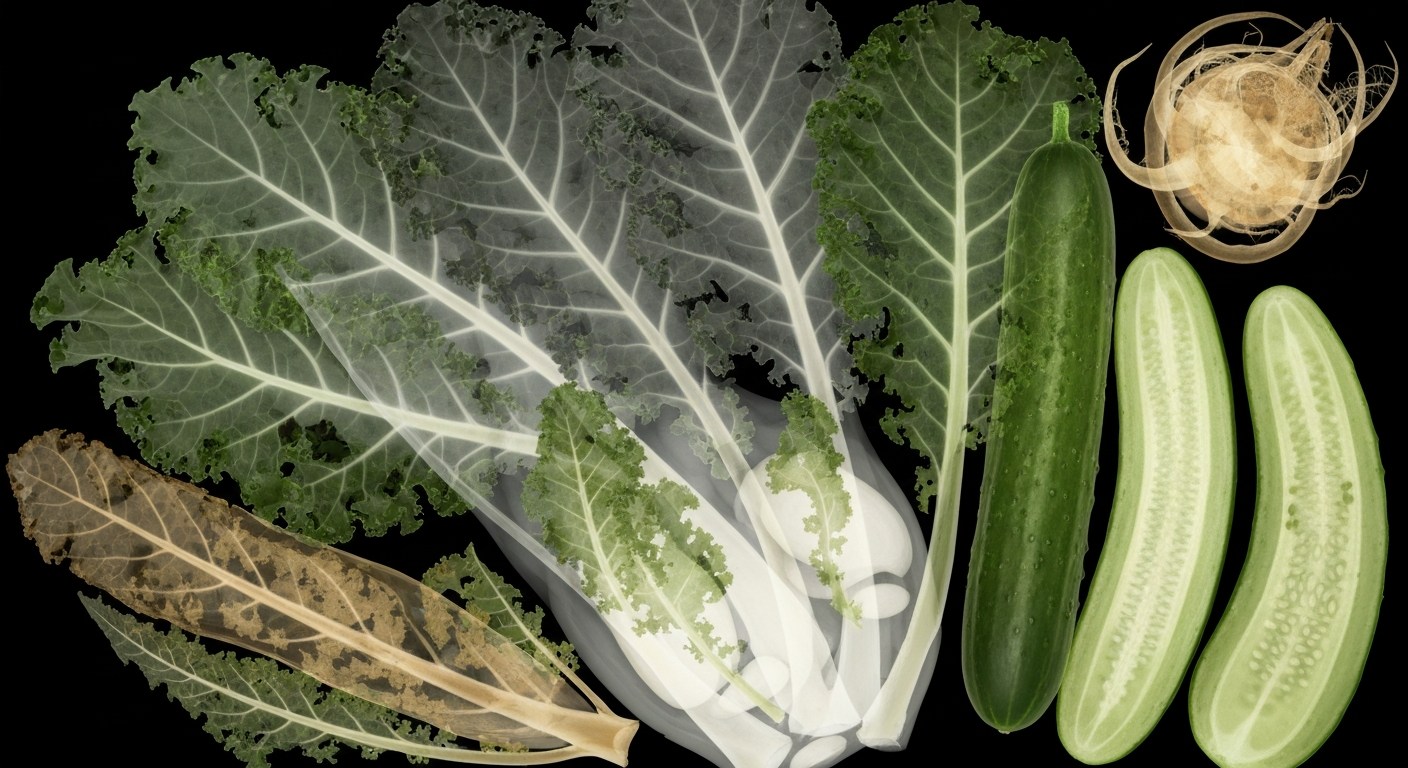 UPMC's sustainability program connects Pittsburgh-area farms and nonprofits to reduce food waste and increase access to fresh, nutritious produce.Today in Pittsburgh
UPMC, the University of Pittsburgh Medical Center, is working to address food insecurity and reduce food waste in the Pittsburgh area through a sustainability program that connects local farms, nonprofits, and communities. The program recovers thousands of pounds of food that would otherwise end up in landfills and distributes it to those in need, while also supporting sustainable farming practices and educating the next generation on the importance of food security and environmental stewardship.
Why it matters
Food waste and food insecurity are major issues in the United States, with up to 40% of food going to waste annually while one in seven people face hunger. UPMC's sustainability program aims to tackle both problems by fostering partnerships between farmers, nonprofits, and the community to recover and redistribute surplus food, promote sustainable agriculture, and raise awareness about the interconnected challenges of hunger, waste, and environmental impact.
The details
UPMC's sustainability program works with local farms like the Haffey Family Farm to recover and distribute fresh, locally-grown produce to nonprofits fighting food insecurity. The program also supports sustainable farming practices like cover cropping to improve soil health. UPMC connects these farms with organizations like 412 Food Rescue, which has helped recover 200,000 pounds of food for 71 different nonprofits in the past three years. The University of Pittsburgh is also involved, with clinicians and physicians researching more sustainable healthcare practices.
- UPMC started its sustainability program three years ago.
- In the past three years, 412 Food Rescue has helped recover 200,000 pounds of food.
The players
UPMC
The University of Pittsburgh Medical Center, a large healthcare system working to address food insecurity and sustainability in the Pittsburgh region.
Haffey Family Farm
A sixth-generation family farm in Industry, Pennsylvania that grows fresh produce using sustainable methods.
412 Food Rescue
A Pittsburgh-based nonprofit that recovers surplus food and distributes it to organizations fighting food insecurity.
University of Pittsburgh
The local university collaborating with UPMC on research into sustainable healthcare practices.
Liam Haffey
A young farmer from the Haffey Family Farm who is passionate about sustainable agriculture.
What they’re saying
“Our kids are in the fields with us. They go, they pick the kale; they pick the cucumber, they eat it right there.”
— Kim Haffey, Mother and farmer at Haffey Family Farm
“Sustainability is taking care of our communities before they even have to end up in a hospital.”
— Sydney Crum, Sustainability program coordinator at UPMC
“UPMC does a really amazing job of that. In the last three years, they've helped her recover 200,000 pounds of food and helped provide that to 71 different nonprofits in the area.”
— Becca Simmons, Dispatch operations manager at 412 Food Rescue
What’s next
UPMC plans to continue expanding its sustainability program, working with more local farms and nonprofits to further reduce food waste and increase food security in the Pittsburgh region.
The takeaway
UPMC's innovative sustainability program demonstrates how healthcare systems can play a pivotal role in addressing the interconnected challenges of food insecurity, food waste, and environmental sustainability by fostering collaborative partnerships within their local communities.