- Today
- Holidays
- Birthdays
- Reminders
- Cities
- Atlanta
- Austin
- Baltimore
- Berwyn
- Beverly Hills
- Birmingham
- Boston
- Brooklyn
- Buffalo
- Charlotte
- Chicago
- Cincinnati
- Cleveland
- Columbus
- Dallas
- Denver
- Detroit
- Fort Worth
- Houston
- Indianapolis
- Knoxville
- Las Vegas
- Los Angeles
- Louisville
- Madison
- Memphis
- Miami
- Milwaukee
- Minneapolis
- Nashville
- New Orleans
- New York
- Omaha
- Orlando
- Philadelphia
- Phoenix
- Pittsburgh
- Portland
- Raleigh
- Richmond
- Rutherford
- Sacramento
- Salt Lake City
- San Antonio
- San Diego
- San Francisco
- San Jose
- Seattle
- Tampa
- Tucson
- Washington
3D-Printed Brain Sensors Revolutionize Neural Monitoring
Soft electrodes designed to match individual brain structures could advance neurodegenerative disease treatment.
Apr. 17, 2026 at 2:50am
Got story updates? Submit your updates here. ›
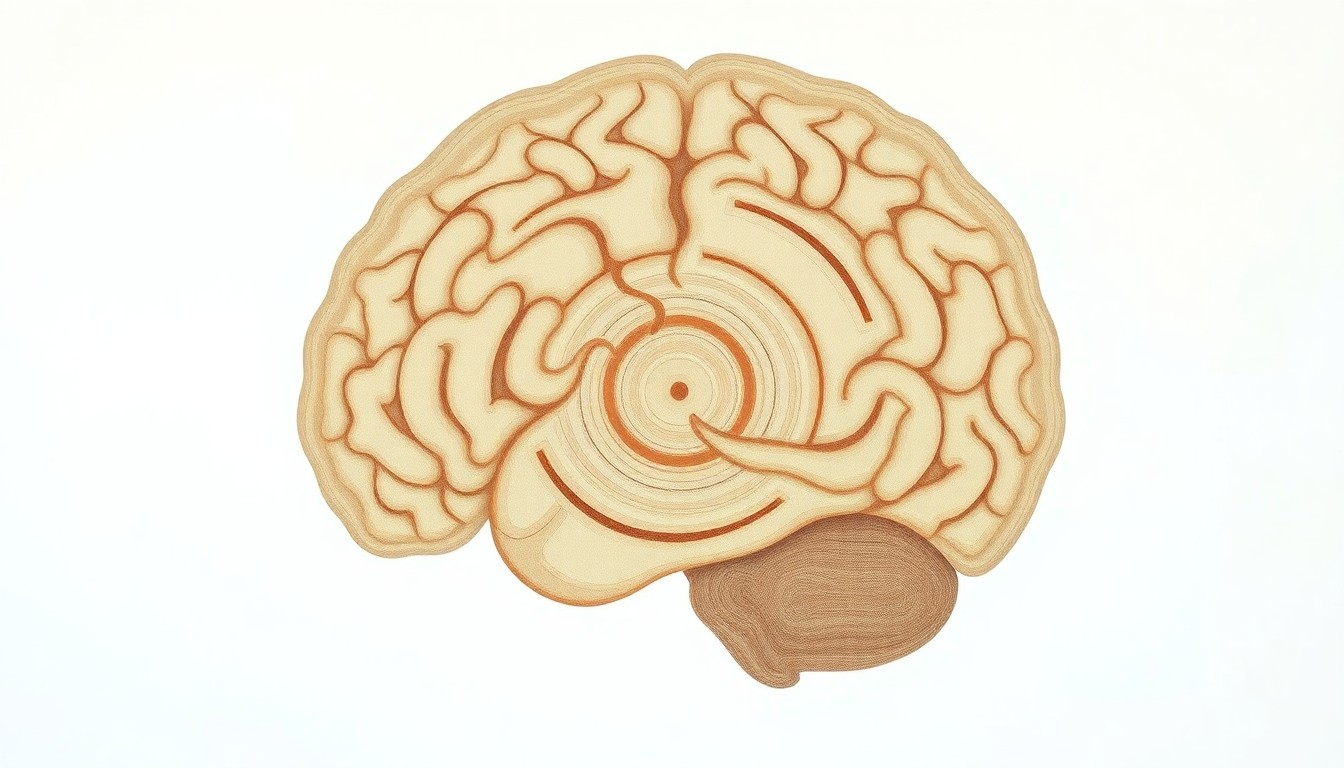 Customized 3D-printed brain electrodes promise to revolutionize neural monitoring by precisely matching the unique structure of each individual's cerebral cortex.Penn State Erie Today
Researchers at Penn State have developed a novel approach to 3D printing bioelectrodes that can stretch and morph to perfectly fit the unique structure of each individual's brain. These personalized neural interfaces are designed to better track biophysical signals and could help advance treatments for neurodegenerative diseases.
Why it matters
Traditional bioelectrode designs struggle to account for the minor differences in brain structure that make every person unique. This new 3D printing technique allows for the creation of customized electrodes that closely match the folds and grooves of an individual's cerebral cortex, potentially leading to more effective neural monitoring and treatment.
The details
The team used MRI scans and computer simulations to create detailed 3D models of 21 different participants' brains. They then 3D printed hydrogel-based electrodes tailored to the unique geometry of each brain, featuring a flexible honeycomb structure to improve fit and reduce material use. Testing showed these personalized electrodes better conformed to the brain surface compared to traditional one-size-fits-all designs.
- The study was published in the journal Advanced Materials in April 2026.
The players
Tao Zhou
Wormley Family Early Career Professor, assistant professor of engineering science and mechanics, and affiliated with the biomedical engineering and center for neural engineering departments at Penn State.
Penn State
The university where the research was conducted.
What they’re saying
“Each person has a different brain structure, depending on their height, weight, age, sex and more. Despite this, we try to fit neural interfaces onto brains like they have identical structures. This motivated us to create electrodes that are tailored for each individual, based on the structure of their brain.”
— Tao Zhou, Wormley Family Early Career Professor, assistant professor of engineering science and mechanics
What’s next
The researchers plan to further test the 3D-printed electrodes in animal models and eventually move towards clinical trials for use in humans.
The takeaway
This innovative 3D printing technique for customized brain electrodes represents a significant advancement in neural interface technology, paving the way for more personalized and effective treatments for neurodegenerative diseases.