- Today
- Holidays
- Birthdays
- Reminders
- Cities
- Atlanta
- Austin
- Baltimore
- Berwyn
- Beverly Hills
- Birmingham
- Boston
- Brooklyn
- Buffalo
- Charlotte
- Chicago
- Cincinnati
- Cleveland
- Columbus
- Dallas
- Denver
- Detroit
- Fort Worth
- Houston
- Indianapolis
- Knoxville
- Las Vegas
- Los Angeles
- Louisville
- Madison
- Memphis
- Miami
- Milwaukee
- Minneapolis
- Nashville
- New Orleans
- New York
- Omaha
- Orlando
- Philadelphia
- Phoenix
- Pittsburgh
- Portland
- Raleigh
- Richmond
- Rutherford
- Sacramento
- Salt Lake City
- San Antonio
- San Diego
- San Francisco
- San Jose
- Seattle
- Tampa
- Tucson
- Washington
Littlestown Today
By the People, for the People
Pennsylvania Farmers Embrace Diverse Cover Crop Mixes
The Arentz family credits cover crops for improving no-till soil conditions on their diverse crop rotation.
Apr. 18, 2026 at 7:29am
Got story updates? Submit your updates here. ›
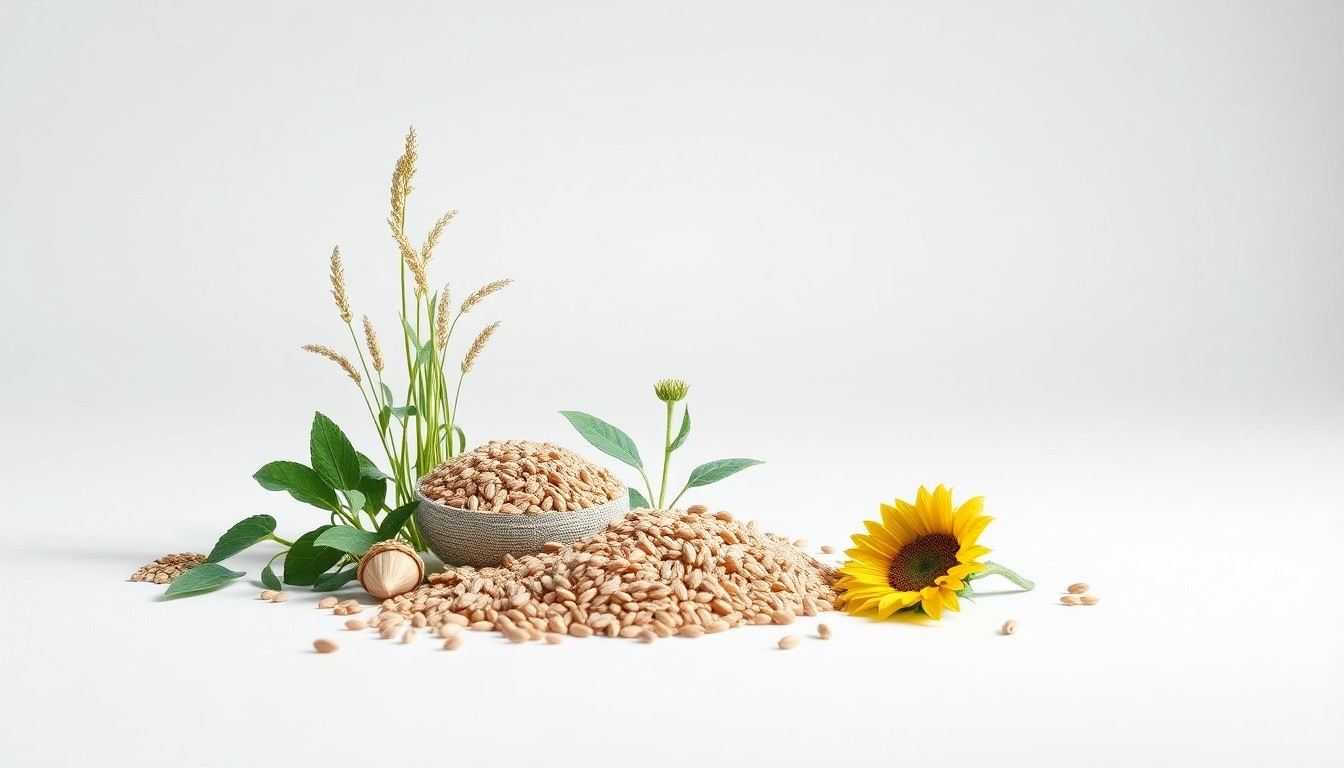 A collection of diverse cover crop seeds showcases the Arentz family's flexible approach to improving soil health through cover cropping.Littlestown Today
The Arentz family, who farm around Littlestown, Pennsylvania, just 3 miles from the Maryland border, have found success with using a variety of cover crop mixes to improve soil tilth and moisture management on their no-till operation. They grow a diverse rotation of corn, soybeans, wheat, barley, and hay, and have seen significant benefits from incorporating cover crops, including improved soil structure and increased organic matter.
Why it matters
As more farmers adopt no-till practices, the use of cover crops has become an essential tool for managing soil health and moisture levels. The Arentz family's experience showcases how a diverse approach to cover cropping can pay dividends for farmers in areas with challenging soil conditions.
The details
The Arentz family, consisting of Jay, Rodney, Craig, and their father Butch, no-till farm around Littlestown, Pennsylvania. They grow a diverse rotation of corn, full-season and double-crop soybeans, wheat, barley, and hay. The family credits cover crops with helping them no-till more effectively by providing improved soil tilth in their tight, moisture-holding soils. They typically drill cover crops into winter wheat stubble and then rotate back into corn the following spring. The Arentz family has experimented with diverse cover crop mixes, including a seven-way mix featuring sunflowers, buckwheat, hairy vetch, cereal rye, two types of clover, and chicory.
- The Arentz family has been utilizing cover crops on their farm for the past decade.
- They typically drill cover crops into winter wheat stubble and then rotate back into corn the following spring.
The players
Arentz Hay & Grain
A family farming operation in Littlestown, Pennsylvania that grows a diverse rotation of corn, soybeans, wheat, barley, and hay, and has found success in using a variety of cover crop mixes to improve soil health and moisture management.
Jay Arentz
One of the brothers who operates Arentz Hay & Grain, and who has spoken about the family's cover cropping practices.
What they’re saying
“Whatever we've got available, we use it.”
— Jay Arentz, Farmer, Arentz Hay & Grain
“We're finding that it helps take up excess moisture in the spring and then, after you kill it, the cover provides a nice mat to help hold moisture through the summer when we're dry. It has been loosening the soil for us and we have gained quite a bit of organic matter.”
— Jay Arentz, Farmer, Arentz Hay & Grain
What’s next
The Arentz family plans to continue experimenting with diverse cover crop mixes to further improve soil health and moisture management on their no-till operation.
The takeaway
The Arentz family's experience showcases how a flexible, diverse approach to cover cropping can help no-till farmers in challenging soil conditions improve soil tilth, organic matter, and moisture management, leading to better overall crop performance.