- Today
- Holidays
- Birthdays
- Reminders
- Cities
- Atlanta
- Austin
- Baltimore
- Berwyn
- Beverly Hills
- Birmingham
- Boston
- Brooklyn
- Buffalo
- Charlotte
- Chicago
- Cincinnati
- Cleveland
- Columbus
- Dallas
- Denver
- Detroit
- Fort Worth
- Houston
- Indianapolis
- Knoxville
- Las Vegas
- Los Angeles
- Louisville
- Madison
- Memphis
- Miami
- Milwaukee
- Minneapolis
- Nashville
- New Orleans
- New York
- Omaha
- Orlando
- Philadelphia
- Phoenix
- Pittsburgh
- Portland
- Raleigh
- Richmond
- Rutherford
- Sacramento
- Salt Lake City
- San Antonio
- San Diego
- San Francisco
- San Jose
- Seattle
- Tampa
- Tucson
- Washington
Lebanon Today
By the People, for the People
Lebanon Struggles to Curb Hezbollah's Influence Amid Cease-Fire
The Iran-backed militant group remains a powerful force in the country despite Western pressure to disarm.
Apr. 17, 2026 at 3:43pm
Got story updates? Submit your updates here. ›
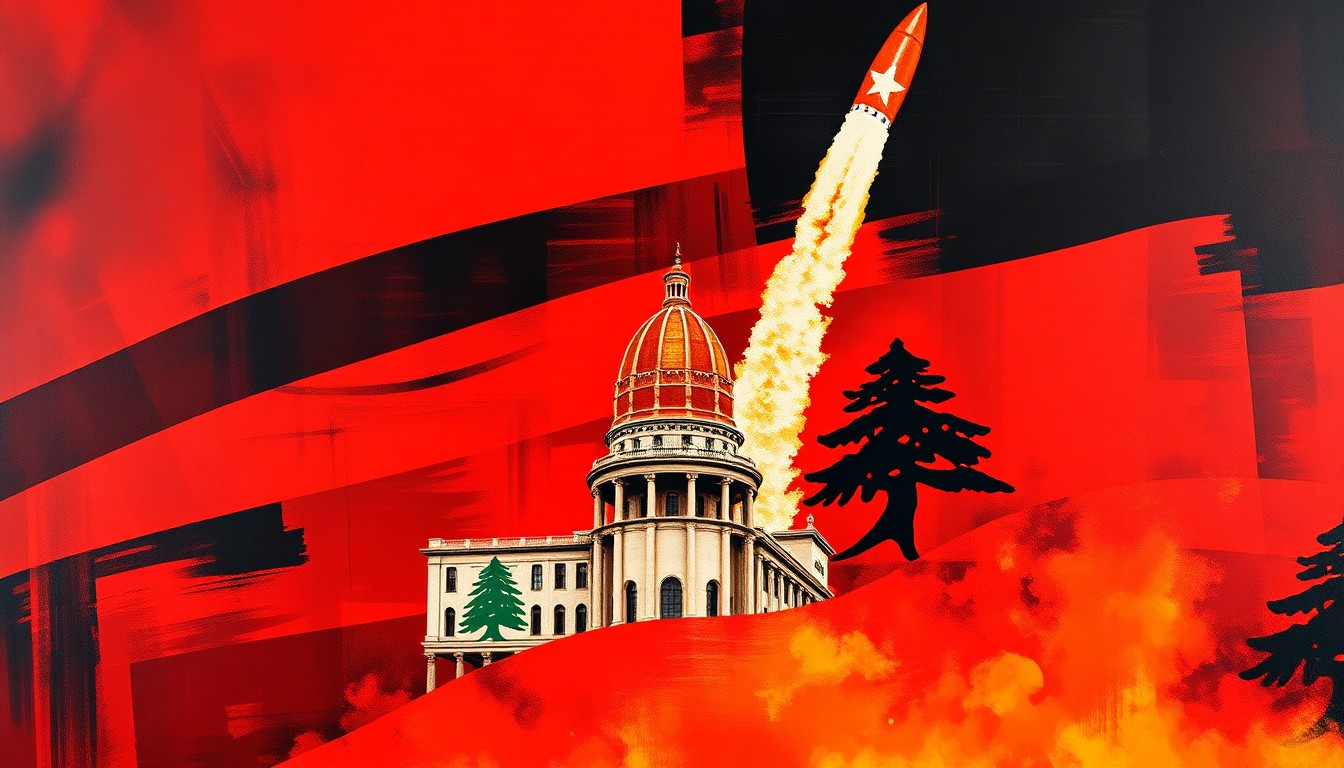 The complex, fractured relationship between Hezbollah and the Lebanese government is reflected in this dynamic, abstract illustration.Lebanon Today
A recent 10-day ceasefire between Lebanon and Israel appears to be holding, but the agreement did not include Hezbollah, the powerful Iran-backed Shiite militia that has long posed a challenge to the Lebanese government's authority. For decades, Lebanon has been caught between Western demands to disarm Hezbollah and fears of inflaming sectarian tensions that fueled the country's 15-year civil war.
Why it matters
Hezbollah's refusal to commit to the ceasefire highlights the group's continued influence in Lebanon, where it wields significant political power and controls large swaths of the country's south. The Lebanese government's inability to rein in Hezbollah has long been a source of tension with Western powers, who view the group as a terrorist organization.
The details
Hezbollah emerged in the 1980s with Iranian backing and grew into Lebanon's most powerful fighting force. While it has lost some political influence in recent years, the group still exerts de facto control over large areas of southern Lebanon and poses a credible challenge to the government's authority. The latest round of fighting between Hezbollah and Israel was sparked by Hezbollah's attacks in solidarity with Iran, prompting Israeli airstrikes and a ground invasion.
- The 10-day ceasefire between Lebanon and Israel was announced in mid-April 2026.
- Hezbollah sparked the latest round of fighting with Israel last month by attacking the country in solidarity with Iran.
The players
Hezbollah
A Shiite militant group that emerged in the 1980s with Iranian backing and grew into Lebanon's most powerful fighting force. The group still has significant political influence in Lebanon and controls large areas of the country's south.
Lebanese Government
The government of Lebanon has long been caught between Western demands to disarm Hezbollah and fears of inflaming sectarian tensions in the country.
Israel
Israel responded to Hezbollah's attacks by launching airstrikes across Lebanon and widening a ground invasion of the country's south.
What’s next
The viability of the ceasefire could hinge on Lebanon's ability to curb Hezbollah's influence, which the government has struggled with for decades.
The takeaway
This case highlights the ongoing tensions between Lebanon, Hezbollah, and Western powers over the militant group's continued influence in the country. The Lebanese government's inability to rein in Hezbollah remains a major source of instability and a challenge to regional security.