- Today
- Holidays
- Birthdays
- Reminders
- Cities
- Atlanta
- Austin
- Baltimore
- Berwyn
- Beverly Hills
- Birmingham
- Boston
- Brooklyn
- Buffalo
- Charlotte
- Chicago
- Cincinnati
- Cleveland
- Columbus
- Dallas
- Denver
- Detroit
- Fort Worth
- Houston
- Indianapolis
- Knoxville
- Las Vegas
- Los Angeles
- Louisville
- Madison
- Memphis
- Miami
- Milwaukee
- Minneapolis
- Nashville
- New Orleans
- New York
- Omaha
- Orlando
- Philadelphia
- Phoenix
- Pittsburgh
- Portland
- Raleigh
- Richmond
- Rutherford
- Sacramento
- Salt Lake City
- San Antonio
- San Diego
- San Francisco
- San Jose
- Seattle
- Tampa
- Tucson
- Washington
Gettysburg Today
By the People, for the People
Wisconsin Dairyman Thrives with No-Till and Cover Crops
Chris Conley's 52-cow dairy farm overcomes hilly terrain with sustainable farming practices.
Apr. 18, 2026 at 6:54am
Got story updates? Submit your updates here. ›
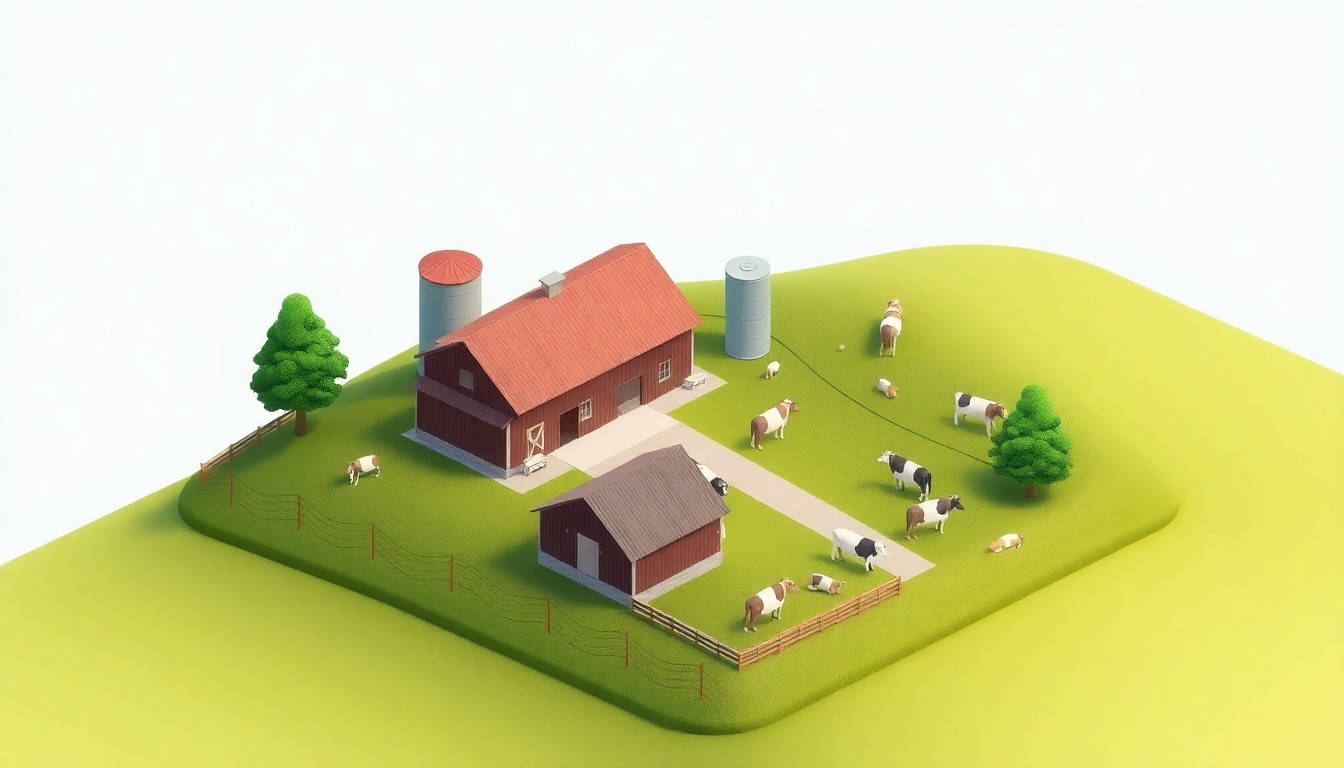 A sustainable dairy farm thrives in the rolling hills, showcasing the benefits of no-till, cover crops, and planting green.Gettysburg Today
Wisconsin dairyman Chris Conley has found success on his 120-acre farm by embracing no-till, cover crops, and planting green. Located on hilly terrain in Dodge County, Conley's dairy operation has been able to thrive despite the challenging landscape through the implementation of these regenerative agriculture techniques.
Why it matters
As more dairy farmers look to improve soil health and boost productivity, Conley's approach demonstrates how no-till and cover crops can be effective tools, even in areas with significant topographical challenges. His story highlights how sustainable farming practices can benefit both the environment and the bottom line for dairy operations.
The details
Conley farms 120 acres to produce feed for his 52-cow dairy herd, including silages, dry hay, and high-moisture corn. The hilly terrain of his Dodge County farm posed unique management challenges until he began implementing no-till, cover crops, and planting green techniques. These practices have allowed Conley to improve soil health, increase yields, and better manage heavy rainfall on his sloped fields.
- Conley has been utilizing no-till, cover crops, and planting green on his farm for several years.
- A recent academic report from the Northern New York Agricultural Development Program highlighted the benefits of these practices in addressing compaction and boosting yields.
The players
Chris Conley
A Wisconsin dairyman who operates a 52-cow dairy farm on 120 acres of hilly terrain in Dodge County.
Northern New York Agricultural Development Program
An organization that recently issued an academic report on the link between compaction and yield improvements through the use of no-till and cover crops.
Cornell University Extension
Provided research assistance for the report issued by the Northern New York Agricultural Development Program.
The takeaway
Conley's success with no-till, cover crops, and planting green on his hilly dairy farm shows how sustainable farming practices can benefit both the environment and the bottom line for dairy operations, even in challenging terrain. His story provides a model for other dairy farmers looking to improve soil health and productivity through the adoption of regenerative agriculture techniques.