- Today
- Holidays
- Birthdays
- Reminders
- Cities
- Atlanta
- Austin
- Baltimore
- Berwyn
- Beverly Hills
- Birmingham
- Boston
- Brooklyn
- Buffalo
- Charlotte
- Chicago
- Cincinnati
- Cleveland
- Columbus
- Dallas
- Denver
- Detroit
- Fort Worth
- Houston
- Indianapolis
- Knoxville
- Las Vegas
- Los Angeles
- Louisville
- Madison
- Memphis
- Miami
- Milwaukee
- Minneapolis
- Nashville
- New Orleans
- New York
- Omaha
- Orlando
- Philadelphia
- Phoenix
- Pittsburgh
- Portland
- Raleigh
- Richmond
- Rutherford
- Sacramento
- Salt Lake City
- San Antonio
- San Diego
- San Francisco
- San Jose
- Seattle
- Tampa
- Tucson
- Washington
Sisters Today
By the People, for the People
Sisters, Oregon Offers Diverse Wildlife Viewing
From elk and bears to rare snakes, the Cascades-to-desert transition zone around Sisters is a haven for wildlife enthusiasts.
Apr. 8, 2026 at 12:00am
Got story updates? Submit your updates here. ›
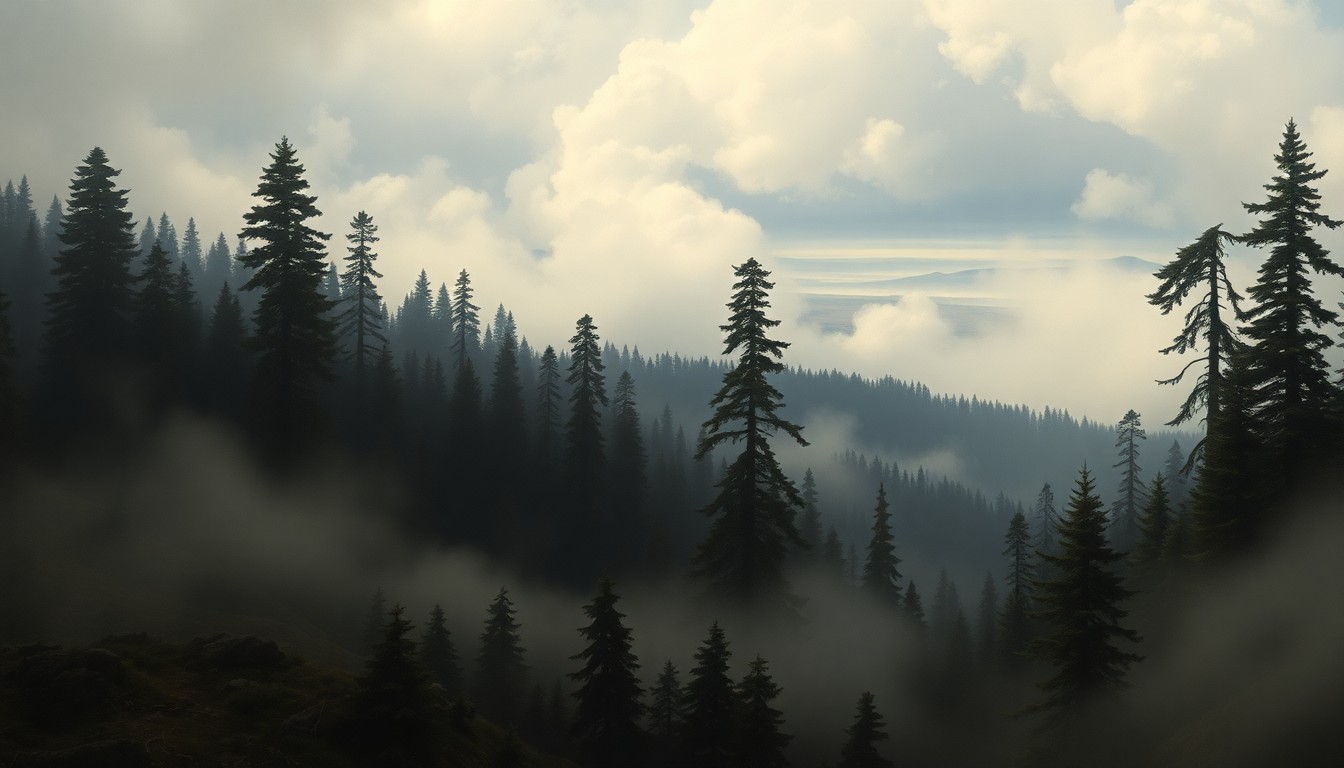
 An abstract visual representation of the delicate ecological balance that sustains the rich wildlife diversity found in the transitional zone around Sisters, Oregon.Sisters Today
The area around the town of Sisters, Oregon sits at the intersection of the moist Cascade forests and the dry high desert, creating a transition zone that is a haven for a wide variety of wildlife. Visitors can spot everything from elk and black bears to rattlesnakes and rare rubber boas by exploring the public lands and forests around Sisters.
Why it matters
The diverse ecosystems and habitats around Sisters provide a unique opportunity for wildlife viewing and appreciation of the natural world. As development continues to encroach on wild spaces, preserving areas like this that allow for coexistence between humans and wildlife is increasingly important.
The details
Key species found in the Sisters area include mule deer, Rocky Mountain elk, black bears, cougars, coyotes, gray wolves, and a variety of birds, reptiles, and amphibians. The transition between forest and desert habitats is what makes this region so rich in biodiversity. While some animals like elk and deer are commonly seen, others like mountain lions and rubber boas are more elusive.
- Elk and deer are currently migrating from winter to summer ranges, stopping to take advantage of spring vegetation growth.
- Denning season for gray wolves in the nearby Metolius pack is approaching, with the annual ODFW wolf report expected later this month.
The players
Andrew Walch
ODFW District wildlife biologist who provided information on the wildlife found around Sisters.
Oregon Department of Fish & Wildlife (ODFW)
The state agency that manages and monitors wildlife populations in Oregon, including in the Sisters area.
Deschutes Land Trust
A local conservation organization that has documented the presence of black bears in the hills around Sisters.
What they’re saying
“Elk and deer are currently on the move from winter range habitats to their summer range at higher elevations, stopping along the way to take advantage of spring green-up of vegetation.”
— Andrew Walch, ODFW District wildlife biologist
“Gray wolves continue to expand their range in the east Cascades, and denning season is approaching. The annual ODFW wolf report will be released later this month and will show marked increases in the wolf population in Central Oregon.”
— Andrew Walch, ODFW District wildlife biologist
What’s next
The annual ODFW wolf report, expected later this month, will provide updated information on the growing gray wolf population in the Sisters area.
The takeaway
The diverse ecosystems and wildlife found around Sisters highlight the importance of preserving transition zones and natural habitats, which allow for coexistence between humans and a wide variety of species.