- Today
- Holidays
- Birthdays
- Reminders
- Cities
- Atlanta
- Austin
- Baltimore
- Berwyn
- Beverly Hills
- Birmingham
- Boston
- Brooklyn
- Buffalo
- Charlotte
- Chicago
- Cincinnati
- Cleveland
- Columbus
- Dallas
- Denver
- Detroit
- Fort Worth
- Houston
- Indianapolis
- Knoxville
- Las Vegas
- Los Angeles
- Louisville
- Madison
- Memphis
- Miami
- Milwaukee
- Minneapolis
- Nashville
- New Orleans
- New York
- Omaha
- Orlando
- Philadelphia
- Phoenix
- Pittsburgh
- Portland
- Raleigh
- Richmond
- Rutherford
- Sacramento
- Salt Lake City
- San Antonio
- San Diego
- San Francisco
- San Jose
- Seattle
- Tampa
- Tucson
- Washington
Young Americans Reject Partisan Religious Politics
The rising religious left faces challenges as younger Christians embrace a more nuanced, non-partisan approach to faith and its role in society.
Apr. 15, 2026 at 11:41am by Ben Kaplan
Got story updates? Submit your updates here. ›
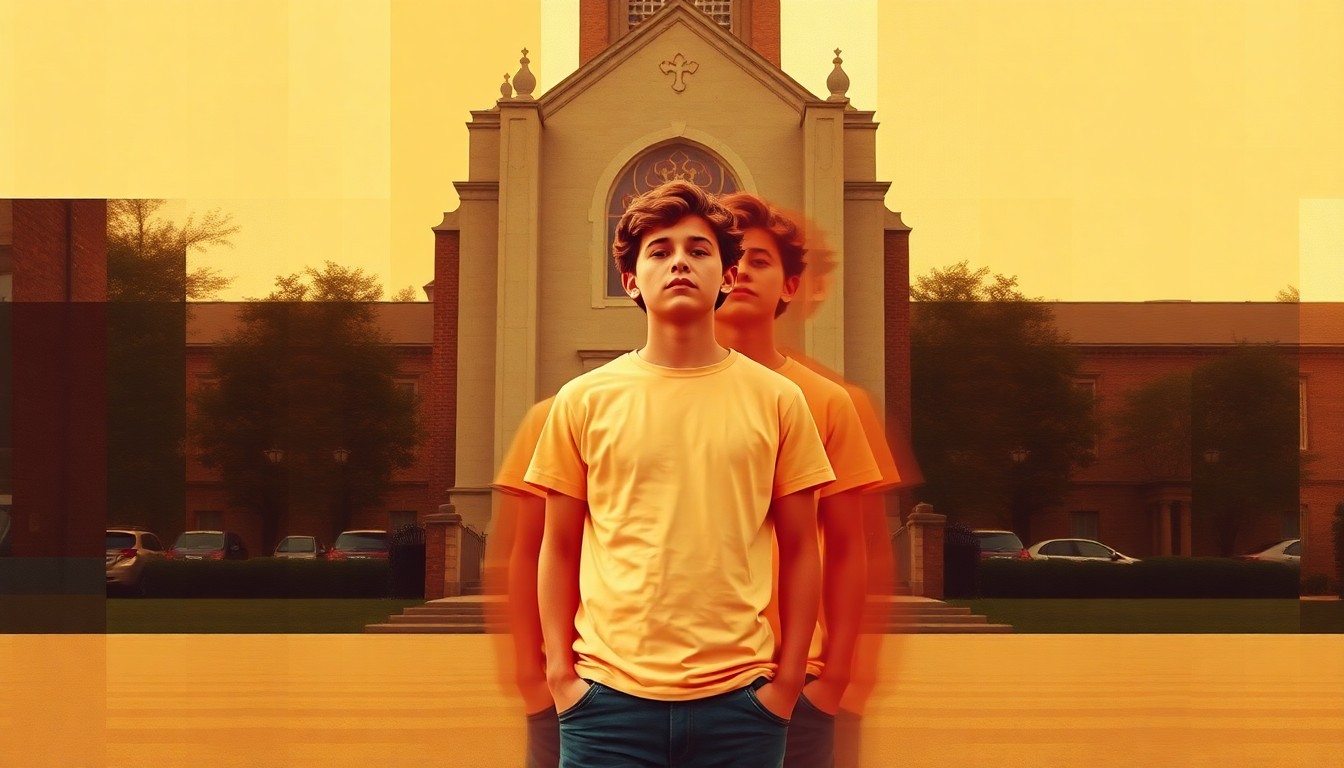 As young Americans embrace a more nuanced, non-partisan approach to faith, the intersection of religion and politics is being reimagined in new and unexpected ways.Portland Today
The notion of a rising religious left has gained notoriety, but the reality is that young Americans are rejecting the traditional religious-political binary. Instead, they are embracing a more nuanced, non-partisan approach to faith and its role in society. This shift is exemplified by the growing number of young Catholic converts, as well as the openness of younger Christians to explore alternative economic and social models rooted in their faith.
Why it matters
This trend challenges the long-held assumption that religious voters are reliably aligned with one political party or the other. As the religious landscape in America evolves, both Democrats and Republicans will need to rethink their strategies for engaging with this demographic, which appears to be more interested in finding common ground than aligning with a particular ideological camp.
The details
The recent surge in Catholic conversions, particularly among young adults, has coincided with President Trump's attacks on Pope Leo XIV. This highlights the growing disconnect between the religious right and the newer generation of believers. Young Christians are more interested in exploring the social and economic implications of their faith, rather than using it as a tool for partisan politics. They are open to ideas like distributism, a Catholic-inspired 'third way' that favors private property but advocates for widespread ownership of the means of production.
- In recent Easter services, dioceses across the U.S. reported record-breaking numbers of converts.
- Trump denounced Pope Leo XIV as 'weak on crime' in a CNN interview and on Truth Social.
The players
Pope Leo XIV
The current Pope, who has condemned the Iran war and called for an end to conflicts in the Middle East.
Donald Trump
The former U.S. president who has attacked Pope Leo XIV and the Catholic Church's positions on various issues.
James Talarico
A Democratic U.S. Senate hopeful in Texas who has spoken about his progressive brand of Christianity.
Justin Giboney
The founder of the And Campaign, an initiative that supports non-partisan, consensus-building civic projects within a biblical framework.
Patrick Tomassi
A high school teacher at an ecumenical Christian private school in Portland, Oregon, who helps students explore social issues through a Christian lens.
What they’re saying
“Religion is being used to control people and accumulate power and wealth.”
— James Talarico, Democratic U.S. Senate hopeful
“Once you choose a side, you just stay with that side.”
— Justin Giboney, Founder, And Campaign
“My role there is not to give [students] particular political views, but it is to help my students start looking at social questions with some of the tools that Christianity provides.”
— Patrick Tomassi, High school teacher
What’s next
As both the left and right continue to court the newest generation of voters, it remains to be seen how young Christians will navigate the political landscape. Their rejection of traditional partisan divides could lead to the emergence of new, more nuanced political alliances and movements.
The takeaway
This story highlights the evolving religious landscape in America, where young Christians are increasingly rejecting the traditional religious-political binary in favor of a more nuanced, non-partisan approach to faith and its role in society. This shift challenges the long-held assumptions about religious voters and could lead to the emergence of new political alliances and movements.
Portland top stories



Portland events
Apr. 16, 2026
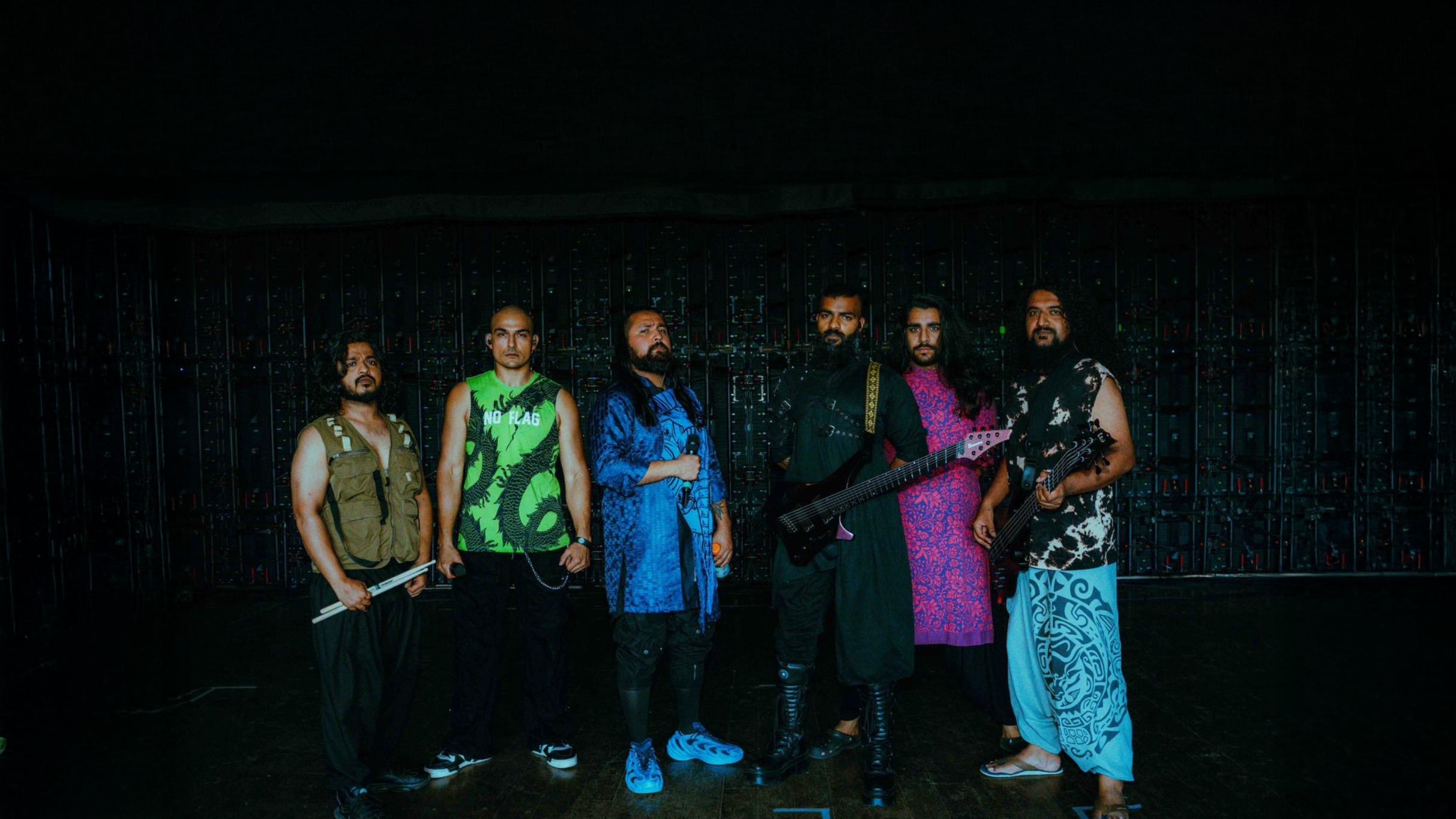
Bloodywood: System Of A Brown Tour 2026
Apr. 16, 2026
MEL BROWN B3 ORGAN GROUP
Apr. 16, 2026
Chris Higgins