- Today
- Holidays
- Birthdays
- Reminders
- Cities
- Atlanta
- Austin
- Baltimore
- Berwyn
- Beverly Hills
- Birmingham
- Boston
- Brooklyn
- Buffalo
- Charlotte
- Chicago
- Cincinnati
- Cleveland
- Columbus
- Dallas
- Denver
- Detroit
- Fort Worth
- Houston
- Indianapolis
- Knoxville
- Las Vegas
- Los Angeles
- Louisville
- Madison
- Memphis
- Miami
- Milwaukee
- Minneapolis
- Nashville
- New Orleans
- New York
- Omaha
- Orlando
- Philadelphia
- Phoenix
- Pittsburgh
- Portland
- Raleigh
- Richmond
- Rutherford
- Sacramento
- Salt Lake City
- San Antonio
- San Diego
- San Francisco
- San Jose
- Seattle
- Tampa
- Tucson
- Washington
Newport Today
By the People, for the People
Sea Turtle Shells Uncover Ocean Change Records
New "tissue clock" technique reconstructs sea turtle life histories from shell chemistry
Mar. 20, 2026 at 5:50am
Got story updates? Submit your updates here. ›
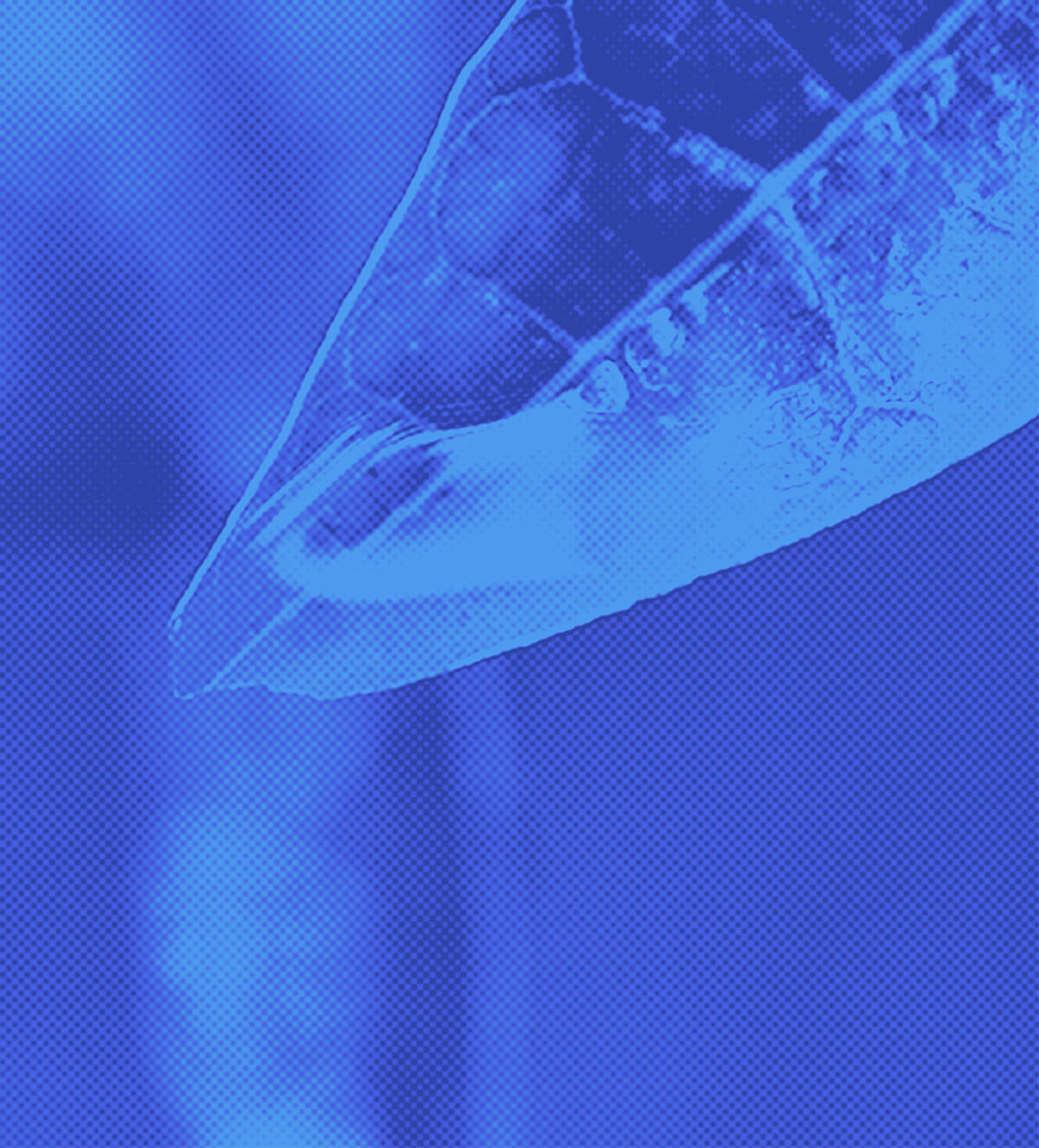
Researchers have developed techniques to analyze the chemical composition of sea turtle shells, which act as biological time capsules that record environmental conditions over the turtles' lifetimes. By studying the layers of keratin that make up the shells, scientists can determine where turtles have been foraging, what they were eating, and how major environmental disturbances like harmful algal blooms and seaweed events have affected them.
Why it matters
Understanding sea turtle foraging patterns, diet changes, and responses to environmental stress can help scientists better protect these threatened marine species. Because sea turtles spend much of their lives in the open ocean, directly observing their life histories is difficult, so this new technique provides valuable insights.
The details
The research team analyzed shell samples from 24 stranded sea turtles collected along the Florida coast. They removed small circular biopsies from the scutes (the hard plates that make up a turtle's shell) and sliced them into ultra-thin sections. Each layer was radiocarbon dated and compared to the mid-20th-century "bomb pulse" spike from nuclear weapons testing, allowing the researchers to estimate the growth rate of the shell tissue. On average, each 50-micron layer represents about seven to nine months of growth. By reconstructing these timelines, the scientists identified synchronized slowdowns in shell growth across multiple turtles that coincided with major environmental disturbances in Florida waters.
- The research was conducted on shell samples collected from 2019 to 2022.
- The study was published in the journal Marine Biology on January 28, 2026.
The players
Bethan Linscott
A research assistant professor of sea turtle conservation at the Robert K. Johnson Center for Marine Conservation at the University of Miami Rosenstiel School of Marine, Atmospheric, and Earth Science. She is an archaeological geochemist who specializes in isotopic methodologies to investigate the interactions between humans, animals, and their environments throughout history.
Amy Wallace
A faculty research assistant at the Hatfield Marine Science Center in Newport, Oregon, specializing in the aging, migration, and trophic dynamics of marine fishes and sea turtles.
University of Miami Rosenstiel School of Marine, Atmospheric, and Earth Science
One of the world's premier research institutions in the continental United States, focusing on research to improve understanding and prediction of Earth's geological, oceanic, and atmospheric systems.
What they’re saying
“Sea turtle shells grow continuously throughout their lives, and each layer preserves evidence of past environmental conditions. By analyzing these sequential layers, we can reconstruct foraging patterns, diet, and environmental changes over time.”
— Bethan Linscott, Research Assistant Professor
“These shells are effectively recording environmental stress in the ocean. It's a bit like sea turtle forensics. We can use chemical fingerprints preserved in scutes to detect ecological shifts.”
— Bethan Linscott, Research Assistant Professor
What’s next
The researchers plan to continue analyzing additional shell samples to further understand how sea turtles respond to environmental changes in the ocean.
The takeaway
This new technique using radiocarbon dating and chemical analysis of sea turtle shells provides valuable insights into the lives of these threatened marine species, allowing scientists to better track how environmental disturbances are affecting sea turtles and their ocean ecosystems.