- Today
- Holidays
- Birthdays
- Reminders
- Cities
- Atlanta
- Austin
- Baltimore
- Berwyn
- Beverly Hills
- Birmingham
- Boston
- Brooklyn
- Buffalo
- Charlotte
- Chicago
- Cincinnati
- Cleveland
- Columbus
- Dallas
- Denver
- Detroit
- Fort Worth
- Houston
- Indianapolis
- Knoxville
- Las Vegas
- Los Angeles
- Louisville
- Madison
- Memphis
- Miami
- Milwaukee
- Minneapolis
- Nashville
- New Orleans
- New York
- Omaha
- Orlando
- Philadelphia
- Phoenix
- Pittsburgh
- Portland
- Raleigh
- Richmond
- Rutherford
- Sacramento
- Salt Lake City
- San Antonio
- San Diego
- San Francisco
- San Jose
- Seattle
- Tampa
- Tucson
- Washington
Cove Today
By the People, for the People
Land Rolling Boosts Benefits and ROI for No-Till Farmers
Oregon no-tiller Colby Johnson credits his land roller for improving seed-to-soil contact and stand consistency across his 3,800-acre operation.
Apr. 18, 2026 at 7:08am
Got story updates? Submit your updates here. ›
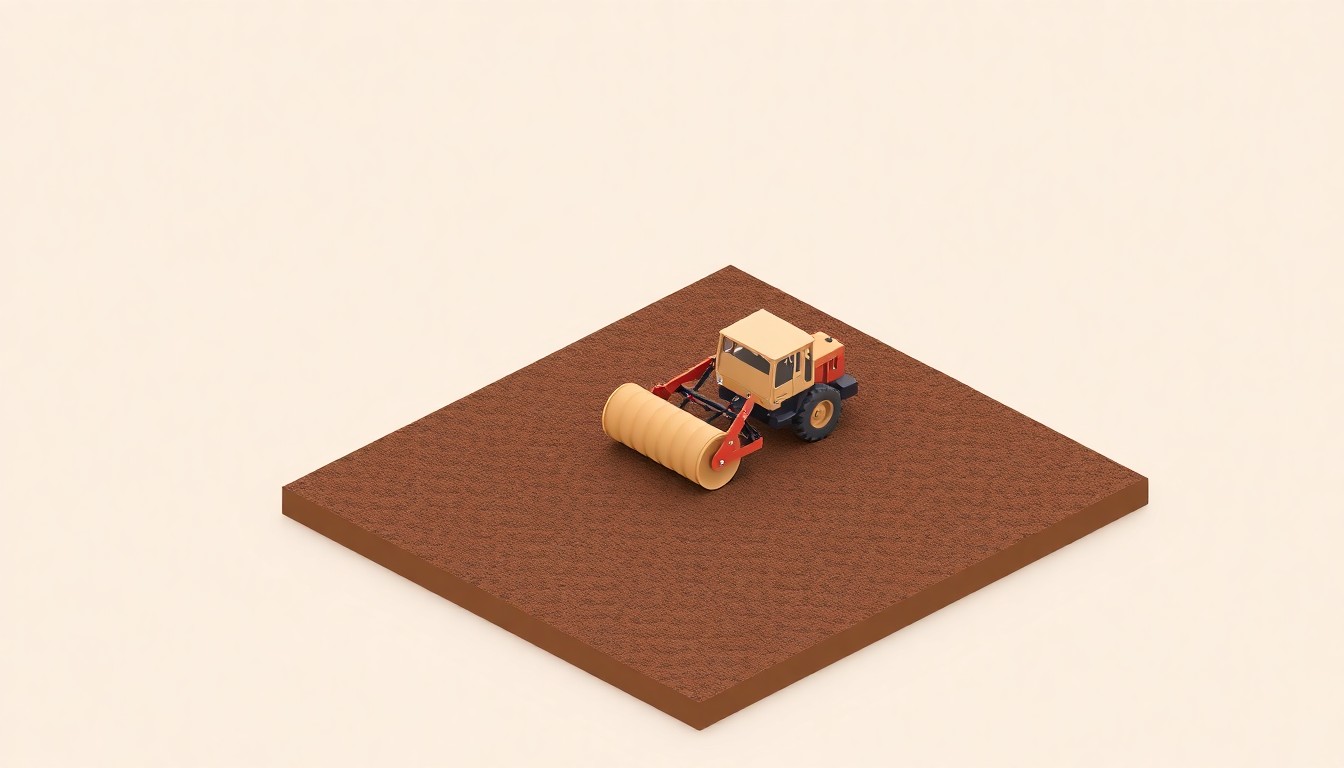 A land roller smooths the soil on a no-till farm, optimizing seed-to-soil contact and stand establishment for improved crop yields.Cove Today
Colby Johnson, a no-till farmer in Cove, Oregon, has seen significant benefits from investing in a land roller for his 3,800-acre operation. After running a vertical tillage bar in the spring, Johnson uses his 33-foot-wide TruFlex roller to firm up the soil and create an ideal seedbed. This has resulted in better seed rows, more consistent stands, and improved weed control, especially in his alfalfa crops. Johnson says the land roller has been a game-changer and wishes he had purchased one sooner.
Why it matters
Land rolling is an important tool for no-till farmers looking to optimize seed-to-soil contact and stand establishment, particularly for crops like alfalfa that require a smooth, level surface. As more no-tillers adopt this practice, it can lead to improved yields, reduced input costs, and better overall efficiency on the farm.
The details
Johnson uses his TruFlex land roller on almost every acre of his operation, which includes cereals, forage crops, alfalfa, and grass hay. After running a vertical tillage bar in the spring, he'll land roll once or twice to firm up the soil and create an ideal seedbed. On some alfalfa and forage crops, he may let the crop come up before rolling it again to make a smooth, level surface for hay equipment. Johnson has seen the greatest benefits in his alfalfa crop, with better seed rows, more consistent stands, and improved weed control.
- In the spring, Johnson runs a vertical tillage bar to size residue and warm up the ground.
- After the vertical tillage, Johnson uses his land roller one or two times to firm up the soil and create a seedbed.
- On some alfalfa and forage crops, Johnson may let the crop come up before rolling it again to make a smooth, level surface for hay equipment.
The players
Colby Johnson
A no-till farmer in Cove, Oregon, who operates a 3,800-acre operation growing cereals, forage crops, alfalfa, and grass hay.
Great Plains Mfg.
The manufacturer of the Turbo-Till vertical tillage bar that Johnson uses on his farm.
TruFlex
The brand of land roller that Johnson uses on his farm, which is a 3-section, 33-foot-wide model.
What they’re saying
“I should've had a land roller years ago.”
— Colby Johnson, No-Till Farmer
What’s next
As more no-till farmers learn about the benefits of land rolling, it's likely that adoption of this practice will continue to grow, leading to improved yields and efficiency across the industry.
The takeaway
Land rolling is a simple yet effective tool that can help no-till farmers like Colby Johnson improve seed-to-soil contact, stand establishment, and overall crop performance, especially for crops like alfalfa that require a smooth, level surface. The investment in a land roller can pay dividends in the form of higher yields and reduced input costs.