- Today
- Holidays
- Birthdays
- Reminders
- Cities
- Atlanta
- Austin
- Baltimore
- Berwyn
- Beverly Hills
- Birmingham
- Boston
- Brooklyn
- Buffalo
- Charlotte
- Chicago
- Cincinnati
- Cleveland
- Columbus
- Dallas
- Denver
- Detroit
- Fort Worth
- Houston
- Indianapolis
- Knoxville
- Las Vegas
- Los Angeles
- Louisville
- Madison
- Memphis
- Miami
- Milwaukee
- Minneapolis
- Nashville
- New Orleans
- New York
- Omaha
- Orlando
- Philadelphia
- Phoenix
- Pittsburgh
- Portland
- Raleigh
- Richmond
- Rutherford
- Sacramento
- Salt Lake City
- San Antonio
- San Diego
- San Francisco
- San Jose
- Seattle
- Tampa
- Tucson
- Washington
Alabama's Saban Retirement Impacts College Football in Unexpected Ways
Defensive innovations and recent rule changes are contributing to lower offensive production across the sport.
Mar. 17, 2026 at 3:35pm
Got story updates? Submit your updates here. ›
The retirement of legendary Alabama coach Nick Saban is seen as a positive for college football, but the reasons may not be what you expect. Defensive coaches have become more sophisticated, developing complex schemes that are difficult to decipher. Meanwhile, recent NCAA rule changes, like the running clock after first downs, have slowed down the pace of play. The high turnover from the transfer portal also makes it harder for offenses to develop continuity. These factors, rather than Saban's departure, are contributing to the overall decline in offensive production across the sport.
Why it matters
The trends highlighted in this story point to broader changes in the college football landscape that are impacting the on-field product. As defenses continue to evolve and the NCAA tweaks the rules, offenses are struggling to keep up. This raises questions about the long-term direction of the sport and whether the NCAA is making the right decisions to enhance the fan experience.
The details
Defensive coordinators have become more innovative, deploying complex schemes with specialized personnel like nickelbacks and hybrid defenders. This makes it harder for offenses to find holes in the defense. Meanwhile, recent NCAA rule changes like the running clock after first downs and stricter substitution rules have slowed down the pace of play. The high turnover from the transfer portal also disrupts offensive continuity, as players have to learn new systems and develop chemistry with new teammates.
- The NCAA implemented the rule change to have the clock run after first downs, except in the last two minutes of each half, prior to the 2024 season.
- The 'match-up' provision of the defensive substitution rule, which gives the defense time to substitute, was introduced in 2023.
The players
Nick Saban
The legendary head football coach who recently retired after a highly successful tenure at the University of Alabama.
Tre Lamb
The head football coach at the University of Tulsa, who commented on Twitter about the decline in offensive production across college football.
Zach Barnett
A writer for FootballScoop.com who observed that 'total offense was down to its lowest point in a generation last season'.
What’s next
As the NCAA continues to evaluate rule changes and the impact on the game, it will be important to monitor whether these trends continue and if further adjustments are needed to maintain an exciting brand of college football.
The takeaway
The retirement of Nick Saban may not be the primary driver of the decline in offensive production across college football. Rather, a combination of defensive innovations and recent NCAA rule changes have contributed to a more methodical, clock-controlling style of play that is challenging offenses to adapt.
Tulsa top stories

Tulsa events

Apr. 9, 2026
Gwar w/ Soulfly
Apr. 9, 2026
Mamma Mia! (Touring)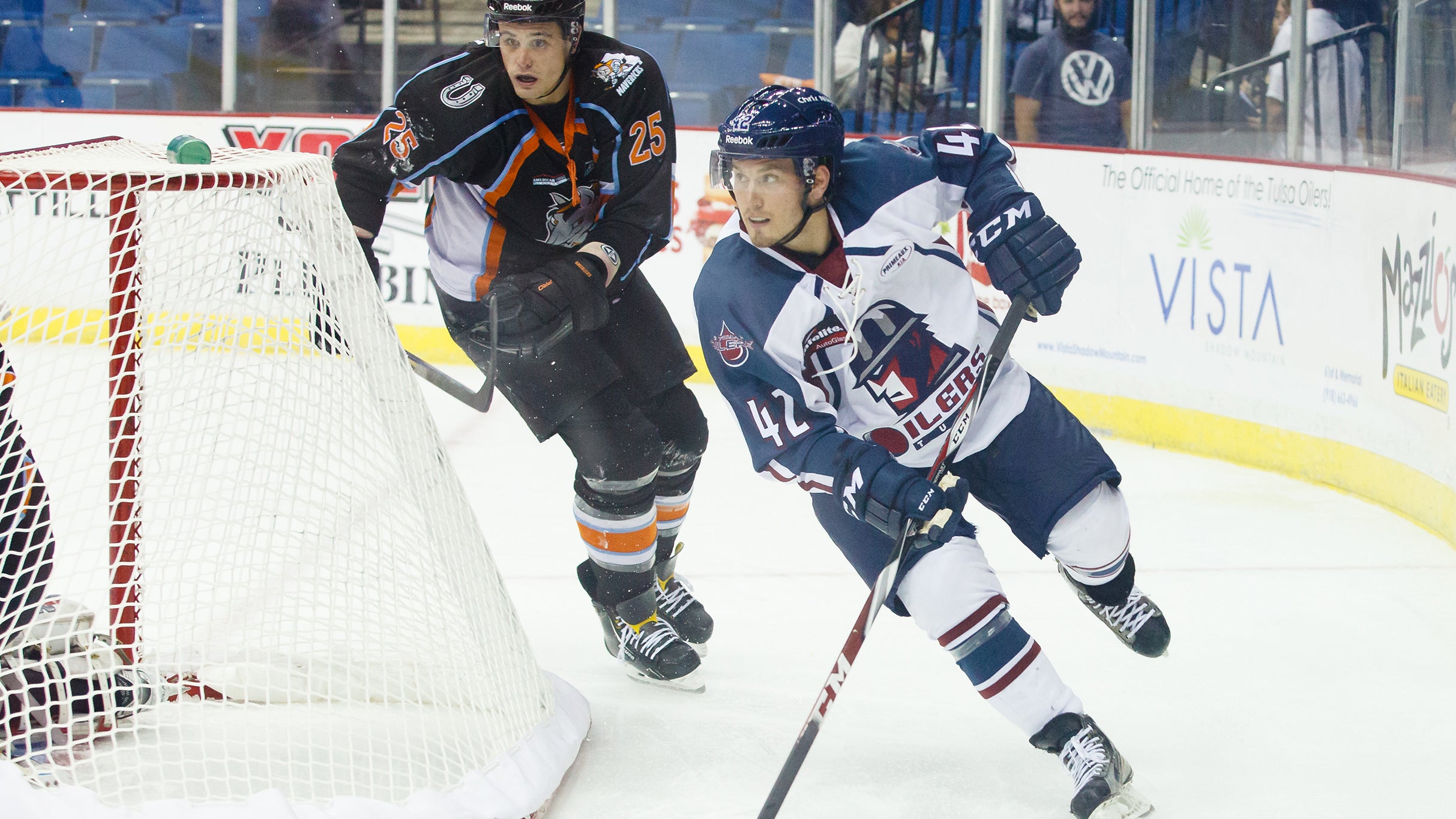
Apr. 10, 2026
Tulsa Oilers Vs Idaho Steelheads - Game 34