- Today
- Holidays
- Birthdays
- Reminders
- Cities
- Atlanta
- Austin
- Baltimore
- Berwyn
- Beverly Hills
- Birmingham
- Boston
- Brooklyn
- Buffalo
- Charlotte
- Chicago
- Cincinnati
- Cleveland
- Columbus
- Dallas
- Denver
- Detroit
- Fort Worth
- Houston
- Indianapolis
- Knoxville
- Las Vegas
- Los Angeles
- Louisville
- Madison
- Memphis
- Miami
- Milwaukee
- Minneapolis
- Nashville
- New Orleans
- New York
- Omaha
- Orlando
- Philadelphia
- Phoenix
- Pittsburgh
- Portland
- Raleigh
- Richmond
- Rutherford
- Sacramento
- Salt Lake City
- San Antonio
- San Diego
- San Francisco
- San Jose
- Seattle
- Tampa
- Tucson
- Washington
Tonkawa Today
By the People, for the People
Oklahoma Farmer Maintains Stability Through 30 Years of No-Till
Rick Jeans has kept his family's 3,600-acre operation financially secure by embracing no-till and cover crops.
Apr. 18, 2026 at 8:12am
Got story updates? Submit your updates here. ›
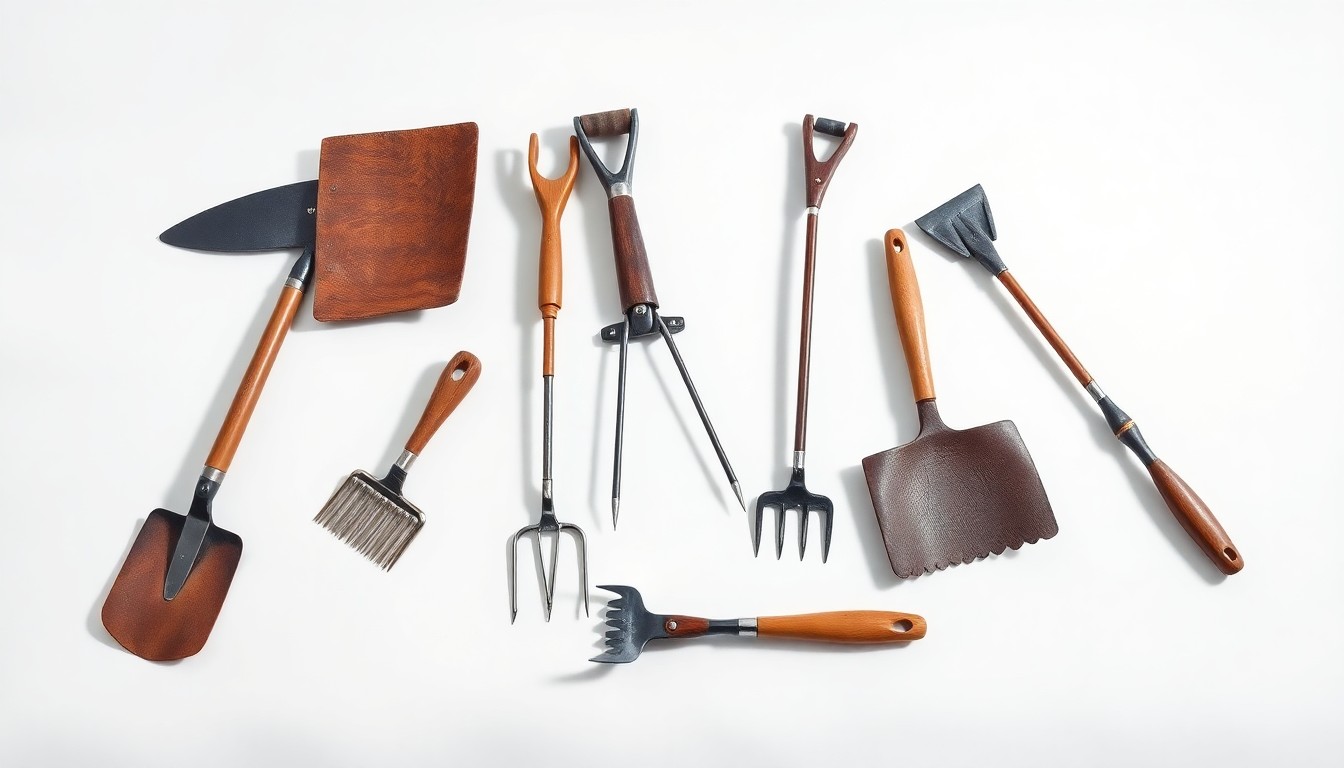
 A collection of well-worn but meticulously maintained farm tools symbolizes the financial stability and sustainable practices that have kept one Oklahoma family's multi-generational operation thriving for over 30 years.Tonkawa Today
When Rick Jeans and his father Don began experimenting with no-till farming techniques in the late 1980s, they set in motion a management approach that has allowed Jeans to continue operating a 3,600-acre crop and cattle operation in Tonkawa, Oklahoma over the past three decades. Today, Jeans Farms is 100% no-till, growing wheat, grain sorghum, and soybeans in rotation with cover crops on leased land in the Duck Creek watershed.
Why it matters
Jeans' long-term commitment to no-till and cover crops has enabled his family farm to remain financially stable through periods of economic volatility in Oklahoma's agricultural sector, including the oil bust of the 1980s. His approach demonstrates how sustainable farming practices can help smaller, independent operations weather market fluctuations.
The details
Jeans and his wife Dianne now manage the 3,600-acre farm, which includes 600 acres of native pasture, with just one full-time employee and seasonal part-time help. While they only own 2 quarters of land and the 5 acres their home sits on, the rest is leased property that Jeans has maintained with the same landlords for many years. This leasing strategy has allowed them to avoid the high costs of land ownership.
- Jeans and his father Don began experimenting with no-till farming in the late 1980s.
- Jeans took over full management of the farm after his father passed away in 2021.
- Jeans Farms currently encompasses 3,600 acres, including 600 acres of native pasture.
The players
Rick Jeans
The current owner and operator of Jeans Farms, a 3,600-acre crop and cattle operation in Tonkawa, Oklahoma.
Don Jeans
Rick Jeans' father, who began experimenting with no-till farming techniques with his son in the late 1980s.
Dianne Jeans
Rick Jeans' wife, who helps manage the family's 100-cow commercial Angus herd.
What they’re saying
“After my dad passed in 2021, I was left with the land that he was farming, which leaves us with a total of 3,600 acres including 600 acres of native pasture.”
— Rick Jeans, Farm Owner
What’s next
Jeans plans to continue his family's long-standing commitment to no-till and cover crops, which have been the keys to maintaining financial stability on the farm over the past three decades.
The takeaway
Jeans' story demonstrates how sustainable farming practices like no-till and cover cropping can help smaller, independent family farms like his weather economic volatility and remain financially secure over the long term.