- Today
- Holidays
- Birthdays
- Reminders
- Cities
- Atlanta
- Austin
- Baltimore
- Berwyn
- Beverly Hills
- Birmingham
- Boston
- Brooklyn
- Buffalo
- Charlotte
- Chicago
- Cincinnati
- Cleveland
- Columbus
- Dallas
- Denver
- Detroit
- Fort Worth
- Houston
- Indianapolis
- Knoxville
- Las Vegas
- Los Angeles
- Louisville
- Madison
- Memphis
- Miami
- Milwaukee
- Minneapolis
- Nashville
- New Orleans
- New York
- Omaha
- Orlando
- Philadelphia
- Phoenix
- Pittsburgh
- Portland
- Raleigh
- Richmond
- Rutherford
- Sacramento
- Salt Lake City
- San Antonio
- San Diego
- San Francisco
- San Jose
- Seattle
- Tampa
- Tucson
- Washington
Kura Oncology Combo Shows Promise for Refractory Kidney Cancer
Darlifarnib plus cabozantinib demonstrates robust activity in patients with clear cell renal cell carcinoma previously treated with cabozantinib.
Apr. 17, 2026 at 11:05am
Got story updates? Submit your updates here. ›
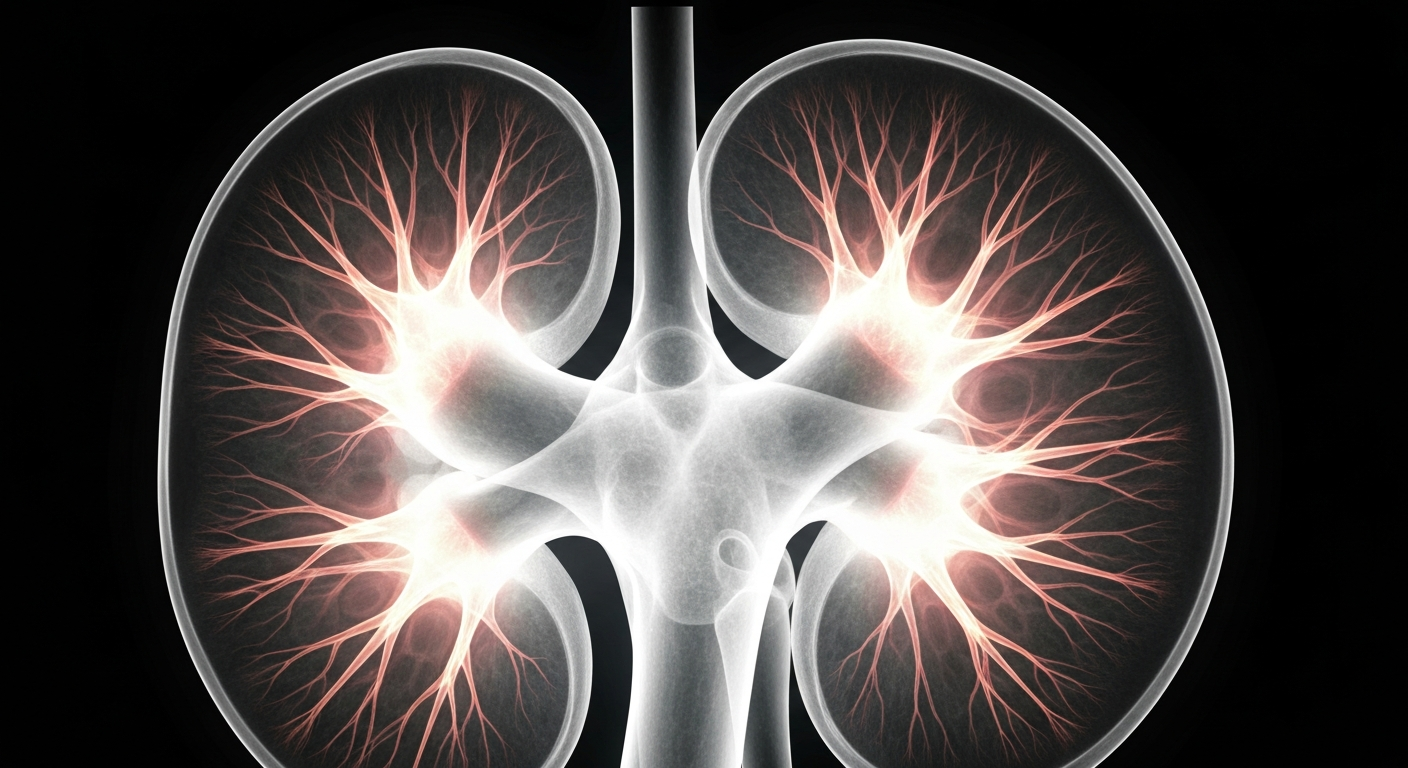 A novel drug combination shows promise in overcoming treatment resistance for patients with advanced kidney cancer.Oklahoma City Today
Kura Oncology announced new data from a subset analysis of patients with clear cell renal cell carcinoma (ccRCC) previously treated with cabozantinib in the ongoing FIT-001 clinical trial of darlifarnib in combination with cabozantinib. The analysis showed the combination demonstrated robust antitumor activity and a manageable safety profile in this heavily pretreated population.
Why it matters
Patients with advanced ccRCC whose disease progresses on cabozantinib have limited treatment options. These findings suggest the darlifarnib-cabozantinib combination may offer meaningful clinical benefit in a refractory setting or in patients with disease progression after prior therapy.
The details
The analysis evaluated 16 patients with ccRCC previously treated with cabozantinib. The combination showed an objective response rate of 44% and a disease control rate of 94%. Tumor shrinkage was observed in 75% of patients, with reductions ranging from 32% to 47% among responders. Responses were seen in heavily pretreated patients, including those whose best prior response to cabozantinib was stable disease. Treatment durations ranged from 8 to 56 weeks, with six patients remaining on therapy at data cutoff.
- The data was presented at the 2026 International Kidney Cancer Symposium (IKCS): Europe in Paris, France.
- Kura will host a virtual investor event on April 17, 2026 at 7:30 a.m. PT / 10:30 a.m. ET / 4:30 p.m. CEST.
The players
Adanma Ayanambakkam, M.D., M.S.
Assistant Professor of Hematology Oncology and Director of Genitourinary Medical Oncology Research, Stephenson Cancer Center, University of Oklahoma Health Sciences Center.
Mollie Leoni, M.D.
Chief Medical Officer of Kura Oncology.
Kura Oncology
A biopharmaceutical company focused on precision medicines for the treatment of cancer.
What they’re saying
“Patients with advanced ccRCC whose disease progresses on cabozantinib have limited treatment options. The tumor shrinkage and high disease control rate observed with darlifarnib in combination with cabozantinib suggest this approach may offer meaningful clinical benefit in a refractory setting or in patients with disease progression after therapy.”
— Adanma Ayanambakkam, M.D., M.S., Assistant Professor of Hematology Oncology and Director of Genitourinary Medical Oncology Research, Stephenson Cancer Center, University of Oklahoma Health Sciences Center
“These data highlight the potential of darlifarnib to overcome resistance to prior cabozantinib and enhance the activity of VEGF TKIs in patients with advanced RCC. We are highly encouraged by these results and are committed to advancing this combination to evaluate further its potential to deliver meaningful benefit for RCC patients.”
— Mollie Leoni, M.D., Chief Medical Officer of Kura Oncology
What’s next
The FIT-001 study has advanced into Phase 1b dose expansion to assess an optimal biologically active dose for the darlifarnib-cabozantinib combination.
The takeaway
The promising results with the darlifarnib-cabozantinib combination in heavily pretreated patients with refractory kidney cancer suggest it could offer a new treatment option for this difficult-to-treat population.
Oklahoma City top stories



Oklahoma City events

Apr. 19, 2026
Dallas Cowboys Cheerleaders LIVE!
Apr. 20, 2026
Jay Electronica
Apr. 20, 2026
Dethklok & Amon Amarth: The Amonklok Conquest