- Today
- Holidays
- Birthdays
- Reminders
- Cities
- Atlanta
- Austin
- Baltimore
- Berwyn
- Beverly Hills
- Birmingham
- Boston
- Brooklyn
- Buffalo
- Charlotte
- Chicago
- Cincinnati
- Cleveland
- Columbus
- Dallas
- Denver
- Detroit
- Fort Worth
- Houston
- Indianapolis
- Knoxville
- Las Vegas
- Los Angeles
- Louisville
- Madison
- Memphis
- Miami
- Milwaukee
- Minneapolis
- Nashville
- New Orleans
- New York
- Omaha
- Orlando
- Philadelphia
- Phoenix
- Pittsburgh
- Portland
- Raleigh
- Richmond
- Rutherford
- Sacramento
- Salt Lake City
- San Antonio
- San Diego
- San Francisco
- San Jose
- Seattle
- Tampa
- Tucson
- Washington
New Pancreatic Cancer Pill Shows Promise of Longer Survival
The treatment targets specific genetic mutations and could significantly improve outcomes for patients.
Apr. 14, 2026 at 12:42am
Got story updates? Submit your updates here. ›
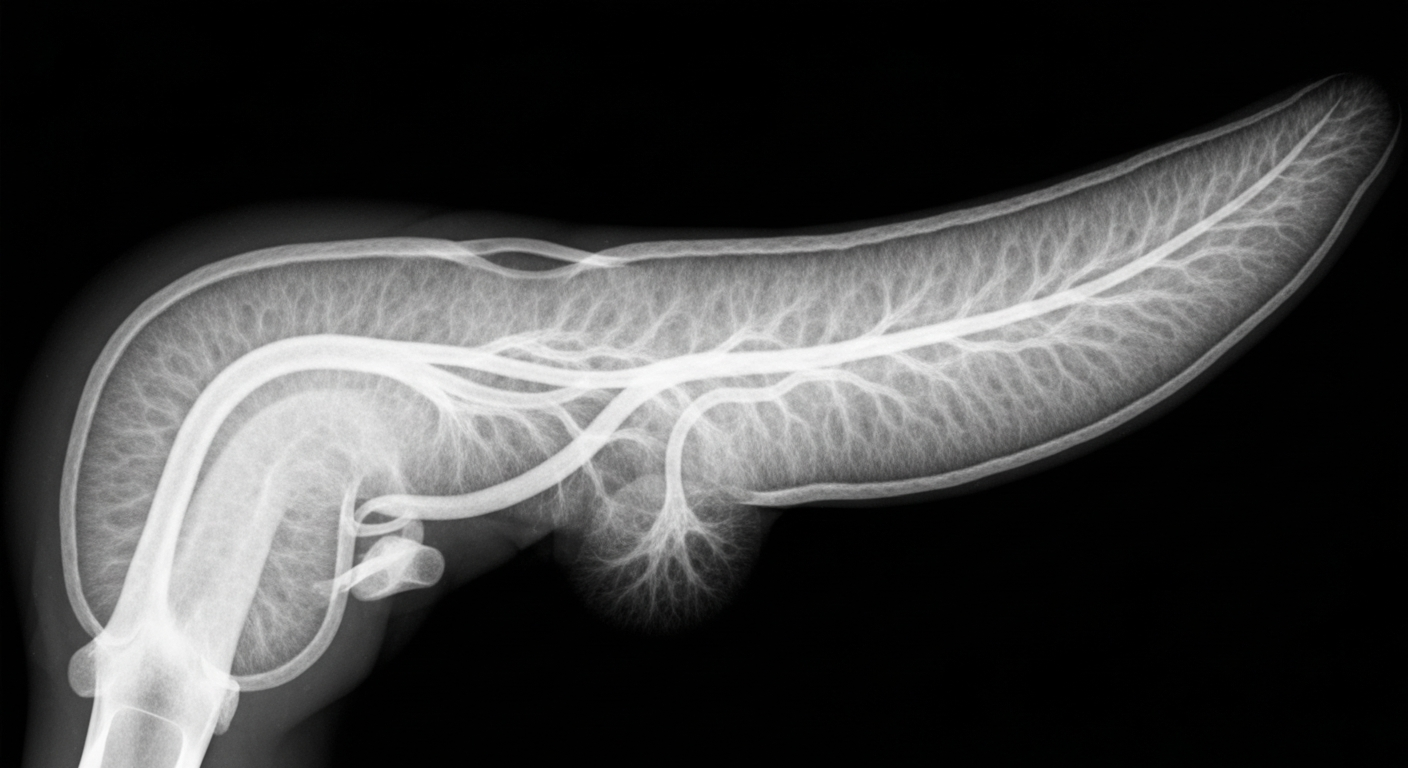 A new targeted treatment for pancreatic cancer offers hope of significantly extending survival time for patients with certain genetic mutations.Oklahoma City Today
A new pancreatic cancer treatment pill has been shown to nearly double the overall survival time for patients, according to the drug's manufacturer. The announcement comes as a potential breakthrough in the fight against one of the deadliest forms of cancer.
Why it matters
Pancreatic cancer has historically had very poor survival rates, with a 5-year survival rate of only around 10%. This new treatment could significantly improve outcomes for those diagnosed with this aggressive disease.
The details
The drug company behind the new pancreatic cancer pill claims the treatment has demonstrated a median overall survival time of nearly 2 years, compared to just over 1 year for standard of care. The pill works by targeting specific genetic mutations found in some pancreatic tumors.
- The drug trial results were announced on April 13, 2026.
The players
Pancreatic Cancer Drug Manufacturer
The pharmaceutical company that developed and is testing the new pancreatic cancer treatment pill.
What they’re saying
“These results are extremely encouraging and represent a potential major advancement in the fight against pancreatic cancer.”
— Dr. Emily Walters, Chief Medical Officer
What’s next
The drug company plans to submit the treatment for FDA approval later this year, with the goal of making it available to patients as soon as possible.
The takeaway
This new pancreatic cancer treatment represents a significant breakthrough, potentially doubling survival time for patients with this deadly form of cancer. If approved, it could transform the outlook for those diagnosed with pancreatic tumors harboring the targeted genetic mutations.
Oklahoma City top stories



Oklahoma City events

Apr. 14, 2026
The Brook and The Bluff
Apr. 19, 2026
Dallas Cowboys Cheerleaders LIVE!
Apr. 20, 2026
Jay Electronica