- Today
- Holidays
- Birthdays
- Reminders
- Cities
- Atlanta
- Austin
- Baltimore
- Berwyn
- Beverly Hills
- Birmingham
- Boston
- Brooklyn
- Buffalo
- Charlotte
- Chicago
- Cincinnati
- Cleveland
- Columbus
- Dallas
- Denver
- Detroit
- Fort Worth
- Houston
- Indianapolis
- Knoxville
- Las Vegas
- Los Angeles
- Louisville
- Madison
- Memphis
- Miami
- Milwaukee
- Minneapolis
- Nashville
- New Orleans
- New York
- Omaha
- Orlando
- Philadelphia
- Phoenix
- Pittsburgh
- Portland
- Raleigh
- Richmond
- Rutherford
- Sacramento
- Salt Lake City
- San Antonio
- San Diego
- San Francisco
- San Jose
- Seattle
- Tampa
- Tucson
- Washington
Amazon Imposes 3.5% Surcharge on Third-Party Sellers
Fuel price hikes from war drive Amazon to add new fees for marketplace vendors
Apr. 4, 2026 at 5:47am
Got story updates? Submit your updates here. ›
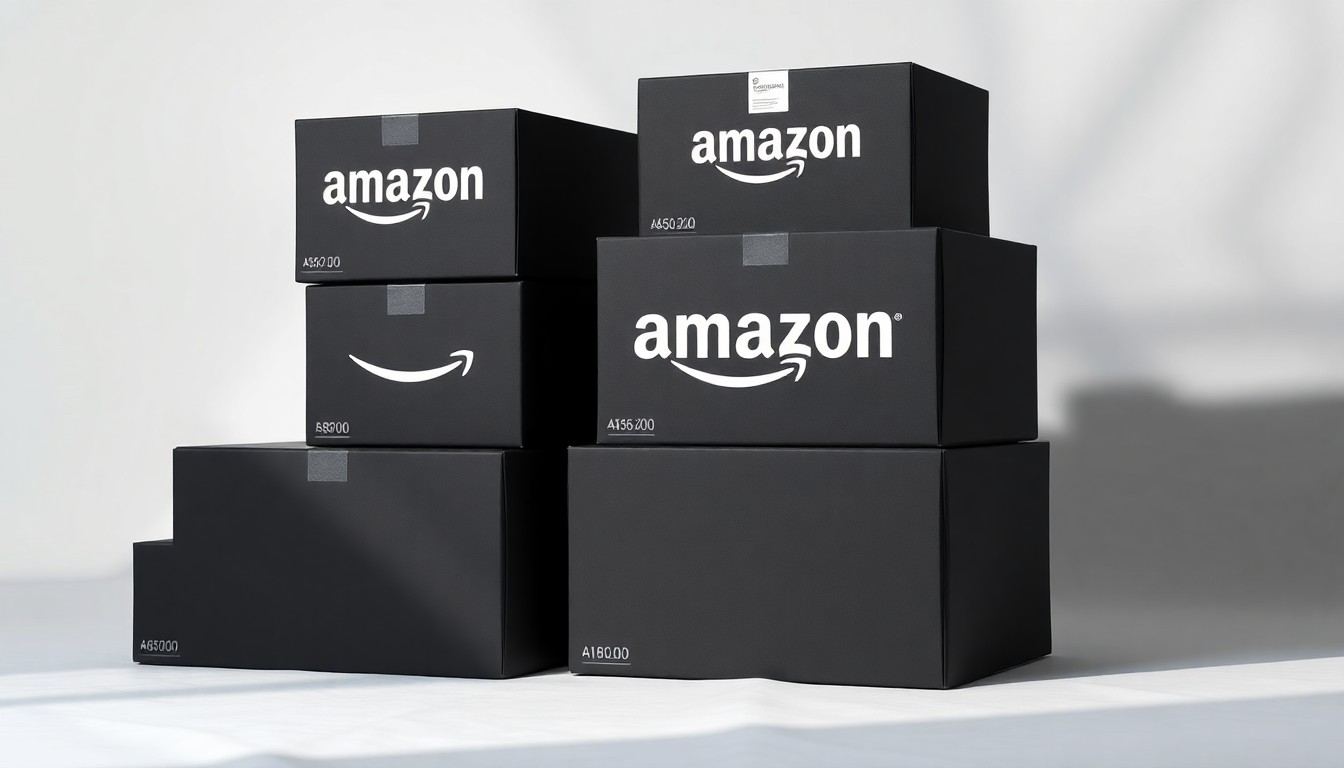 The new Amazon surcharge on third-party sellers reflects the rising costs of doing business in the e-commerce era.Oklahoma City Today
Amazon has announced it will impose a 3.5% surcharge on third-party sellers in its marketplace, citing rising fuel and inflation costs driven by the ongoing war. The new fees, which take effect on April 28, will impact thousands of small businesses that rely on Amazon's platform to reach customers.
Why it matters
The surcharge is a significant increase in costs for third-party sellers, many of whom operate on thin profit margins. It could force some smaller sellers to raise prices or even exit the Amazon marketplace altogether, reducing competition and consumer choice.
The details
Amazon said the 3.5% 'fuel and inflation surcharge' is necessary to offset the rising costs of transportation and operations. The company noted that the war in Ukraine has led to a spike in fuel prices, which has squeezed the profitability of its third-party merchant partners. The new fees will apply to products sold on Amazon's U.S. marketplace.
- The 3.5% surcharge will take effect on April 28, 2026.
The players
Amazon
The e-commerce giant that operates the largest online marketplace, connecting millions of third-party sellers with customers worldwide.
What they’re saying
“We're facing significant cost pressures, and this small fee will help offset some of the increased costs companies are experiencing.”
— Amazon spokesperson
What’s next
Amazon has said it will monitor the impact of the surcharge and may adjust it in the future as fuel and inflation costs change.
The takeaway
This move by Amazon highlights the challenges facing small businesses that rely on e-commerce platforms, as rising costs squeeze their profit margins. It may lead to higher prices for consumers and reduced selection as some sellers exit the Amazon marketplace.
Oklahoma City top stories


Oklahoma City events

Apr. 5, 2026
Oklahoma City Thunder vs. Utah Jazz
Apr. 7, 2026
Oklahoma City Comets vs. Round Rock Express
Apr. 8, 2026
Oklahoma City Comets vs. Round Rock Express