- Today
- Holidays
- Birthdays
- Reminders
- Cities
- Atlanta
- Austin
- Baltimore
- Berwyn
- Beverly Hills
- Birmingham
- Boston
- Brooklyn
- Buffalo
- Charlotte
- Chicago
- Cincinnati
- Cleveland
- Columbus
- Dallas
- Denver
- Detroit
- Fort Worth
- Houston
- Indianapolis
- Knoxville
- Las Vegas
- Los Angeles
- Louisville
- Madison
- Memphis
- Miami
- Milwaukee
- Minneapolis
- Nashville
- New Orleans
- New York
- Omaha
- Orlando
- Philadelphia
- Phoenix
- Pittsburgh
- Portland
- Raleigh
- Richmond
- Rutherford
- Sacramento
- Salt Lake City
- San Antonio
- San Diego
- San Francisco
- San Jose
- Seattle
- Tampa
- Tucson
- Washington
Winchester Today
By the People, for the People
Rapper Afroman Wins Lawsuit Against Police Over Mocking 2022 Raid in Viral Music Videos
The Grammy-nominated artist was sued by seven Ohio deputies for defamation over his parody videos.
Mar. 19, 2026 at 8:34am
Got story updates? Submit your updates here. ›
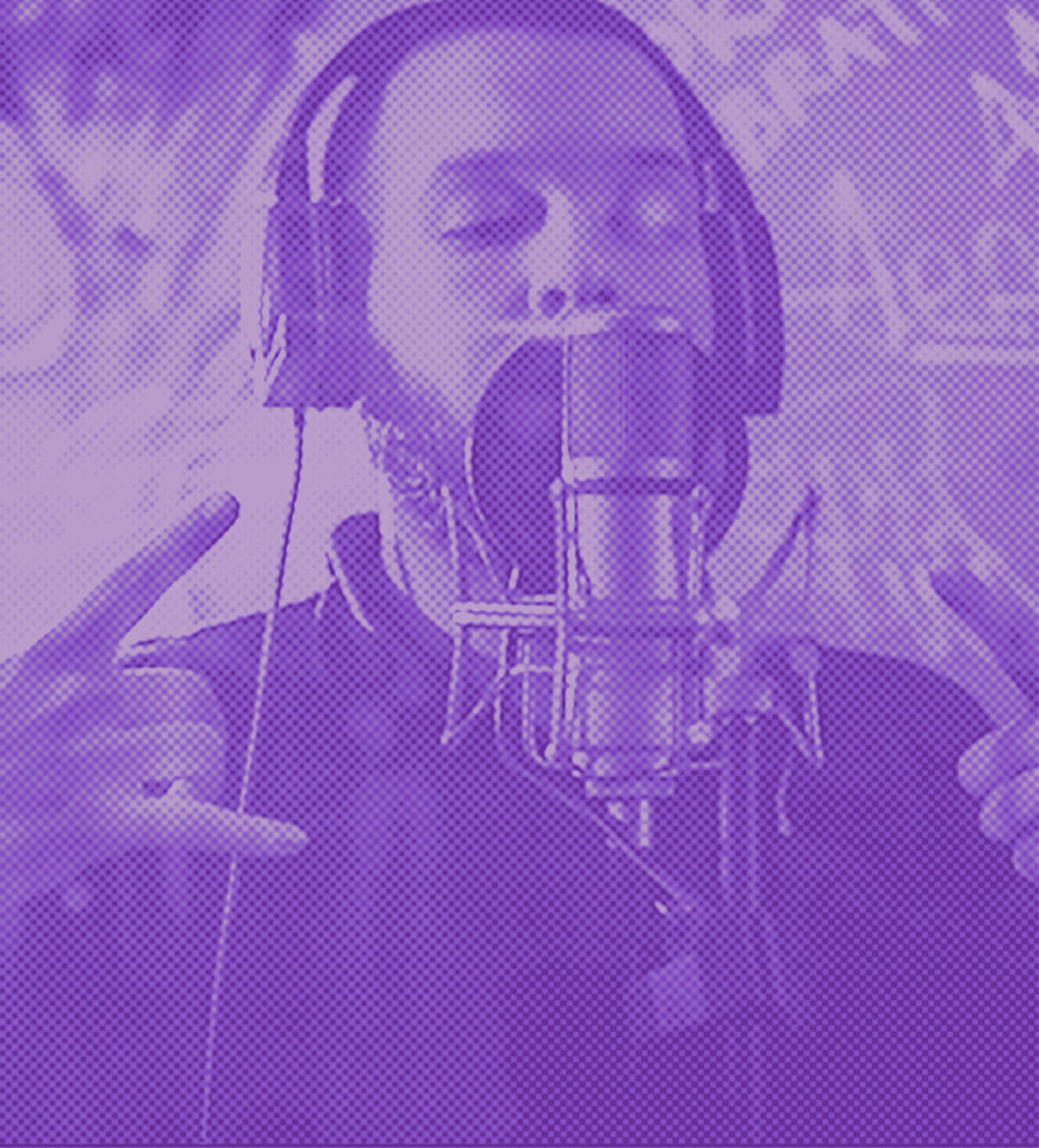
Rapper Afroman, whose real name is Joseph Foreman, has won a defamation lawsuit filed by seven Ohio sheriff's deputies. The deputies sued Afroman over music videos in which he used home security footage to mock a 2022 police raid of his home. The case tested the limits of parody and artistic license in social commentary directed at public figures. Afroman defended his work on First Amendment grounds, saying he issued the diss tracks to cover damages from the raid, including a broken gate and front door. No charges were filed over the 2022 raid, which the warrant said was part of a drug and kidnapping investigation. Afroman said the raid traumatized his children.
Why it matters
This case highlights the ongoing tension between free speech rights and the ability of public figures, such as law enforcement officers, to seek legal recourse for perceived defamation. It also raises questions about the boundaries of artistic expression and parody when it comes to commentary on government actions and officials.
The details
In the music videos, Afroman used home security footage to mock the 2022 police raid of his home. The videos show rifle-wielding deputies busting down Afroman's door, searching his belongings, and eyeing a cake on the kitchen table. Afroman also took aim at the deputies' personal lives and called them "crooked cops" due to $400 that went missing in the raid. The deputies said they were publicly harassed over the viral videos, which were viewed more than 3 million times on YouTube.
- The 2022 police raid of Afroman's home occurred as part of a drug and kidnapping investigation.
- Afroman released the mocking music videos in the years following the 2022 raid.
- The defamation lawsuit filed by the seven Ohio deputies was decided on March 19, 2026.
The players
Afroman
The Grammy-nominated rapper, whose real name is Joseph Foreman, was sued by the Ohio deputies over his parody music videos mocking a 2022 police raid of his home.
Adams County Deputies
Seven Ohio sheriff's deputies who sued Afroman for defamation over his music videos that mocked a 2022 police raid of the rapper's home.
What they’re saying
“We did it, America! Yeah, we did it! Freedom of speech! Right on! Right on!”
— Afroman
“No reasonable person would expect a police officer not to be criticized. They've been called names before.”
— David Osborne, Defense lawyer
“Police officers shouldn't be stealing civilians' money. This whole thing is an outrage.”
— Afroman
“Where in the world is it OK to make something up for fun that's damaging to others when you know for sure it's an absolute lie?”
— Sgt. Randy Walters
“Even if somebody does something to you that hurts you, that you think is wrong — like a search warrant execution that you think is unfair ... that doesn't justify telling intentional lies designed to hurt people.”
— Robert Klingler, Representing the deputies
What’s next
The judge's decision in the defamation lawsuit sets a precedent for the boundaries of artistic expression and parody when it comes to commentary on government actions and officials.
The takeaway
This case highlights the ongoing tension between free speech rights and the ability of public figures, such as law enforcement officers, to seek legal recourse for perceived defamation. It also raises questions about the limits of artistic license when it comes to social commentary directed at government entities and officials.