- Today
- Holidays
- Birthdays
- Reminders
- Cities
- Atlanta
- Austin
- Baltimore
- Berwyn
- Beverly Hills
- Birmingham
- Boston
- Brooklyn
- Buffalo
- Charlotte
- Chicago
- Cincinnati
- Cleveland
- Columbus
- Dallas
- Denver
- Detroit
- Fort Worth
- Houston
- Indianapolis
- Knoxville
- Las Vegas
- Los Angeles
- Louisville
- Madison
- Memphis
- Miami
- Milwaukee
- Minneapolis
- Nashville
- New Orleans
- New York
- Omaha
- Orlando
- Philadelphia
- Phoenix
- Pittsburgh
- Portland
- Raleigh
- Richmond
- Rutherford
- Sacramento
- Salt Lake City
- San Antonio
- San Diego
- San Francisco
- San Jose
- Seattle
- Tampa
- Tucson
- Washington
Warren Today
By the People, for the People
Gypsum Improves Aeration and Water Infiltration in No-Till Soils
Ohio State research finds benefits to crop emergence and root growth.
Apr. 18, 2026 at 7:00am
Got story updates? Submit your updates here. ›
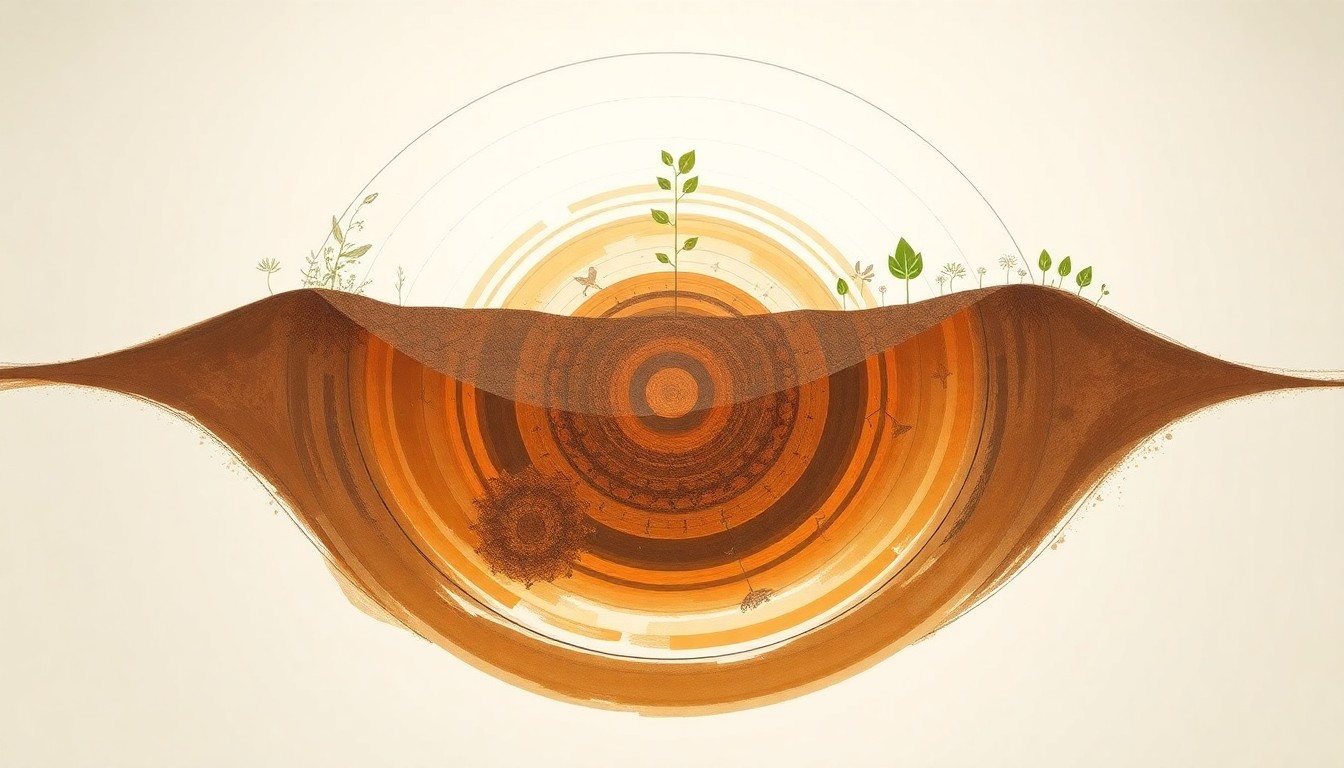 Gypsum applications could help no-till farmers improve critical soil properties like aeration and water infiltration.Warren Today
Applying gypsum to no-till fields can decrease surface crusting while improving aeration and water infiltration, according to soil scientist Warren Dick at Ohio State University. These benefits can lead to enhanced crop emergence and stronger root development.
Why it matters
Maintaining good soil structure and aeration is crucial for no-till farming, as it allows for better water and nutrient uptake by crop roots. Gypsum applications could be a cost-effective way for no-till farmers to improve these key soil properties.
The details
Gypsum, a naturally occurring mineral, can help break down soil crusts that form on the surface of no-till fields. This improves aeration and allows for better water infiltration, which in turn supports stronger crop emergence and root growth. Ohio State's research has found these benefits from gypsum applications on no-till fields.
- The research findings were published in April 2026.
The players
Warren Dick
A soil scientist at Ohio State University who has studied the benefits of gypsum applications on no-till farmland.
What they’re saying
“Gypsum applications on no-till fields could decrease surface crusting while improving aeration and water infiltration, thus aiding crop emergence and stronger roots.”
— Warren Dick, Soil Scientist
What’s next
Farmers interested in trying gypsum on their no-till fields should consult with their local extension office or agricultural advisor to determine the appropriate application rates and timing for their specific soil conditions.
The takeaway
Gypsum shows promise as a cost-effective way for no-till farmers to improve critical soil properties like aeration and water infiltration, leading to better crop emergence and root growth. Further research and on-farm trials will help determine the optimal use of gypsum in no-till systems.
Warren top stories



Warren events

Apr. 24, 2026
Jo Dee Messina
Apr. 25, 2026
Skilla Baby, Dej Loaf, T-Rell - Family & Friends Bash