- Today
- Holidays
- Birthdays
- Reminders
- Cities
- Atlanta
- Austin
- Baltimore
- Berwyn
- Beverly Hills
- Birmingham
- Boston
- Brooklyn
- Buffalo
- Charlotte
- Chicago
- Cincinnati
- Cleveland
- Columbus
- Dallas
- Denver
- Detroit
- Fort Worth
- Houston
- Indianapolis
- Knoxville
- Las Vegas
- Los Angeles
- Louisville
- Madison
- Memphis
- Miami
- Milwaukee
- Minneapolis
- Nashville
- New Orleans
- New York
- Omaha
- Orlando
- Philadelphia
- Phoenix
- Pittsburgh
- Portland
- Raleigh
- Richmond
- Rutherford
- Sacramento
- Salt Lake City
- San Antonio
- San Diego
- San Francisco
- San Jose
- Seattle
- Tampa
- Tucson
- Washington
Northfield Today
By the People, for the People
Harness Racing Faces Calls for Modernization and Innovation
Longtime fans and industry insiders debate the future of the sport as it struggles to keep up with changing times
Apr. 17, 2026 at 4:10am
Got story updates? Submit your updates here. ›
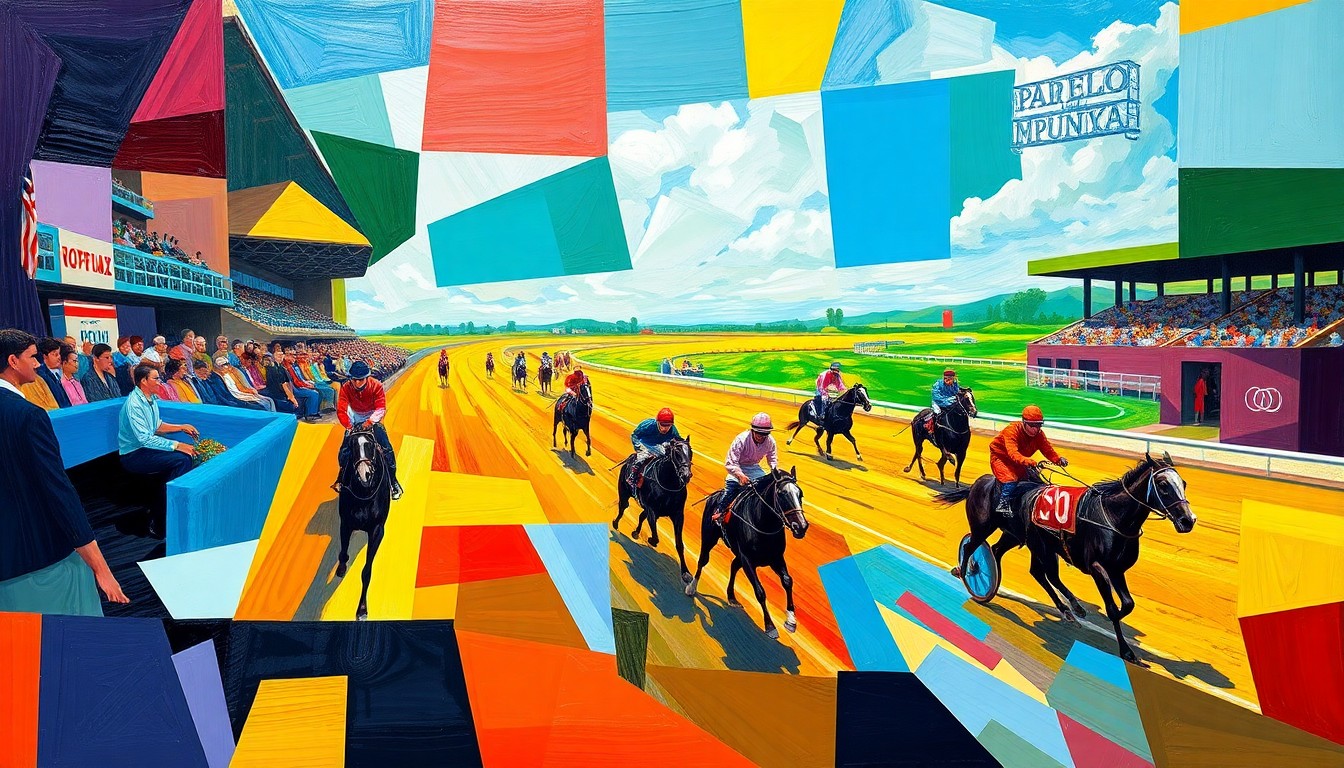 A cubist interpretation of the dynamic energy and shifting perspectives within the world of harness racing, as the sport grapples with the need for modernization and innovation.Northfield Today
In a discussion among harness racing enthusiasts, concerns are raised about the sport's failure to modernize and adapt to the changing entertainment landscape. Longtime fans and industry veterans argue that harness racing must embrace innovation and evolve beyond its traditional roots in order to attract new audiences and remain relevant.
Why it matters
Harness racing, once a major spectator sport, is facing declining interest and dwindling fan engagement as it struggles to keep pace with more modern, tech-savvy entertainment options. Addressing these challenges through strategic changes and new ideas could be crucial for the sport's long-term survival and growth.
The details
Several harness racing fans and insiders, including a retired educator named Smitty, argue that the sport has failed to modernize over the past 50 years, remaining stuck in an "ancient era" while the rest of the world has progressed. They contend that the breeding industry has outpaced the rest of the industry in terms of innovation, leaving the sport's presentation and fan experience behind. Suggestions for revitalizing harness racing include creating a "Grand Circuit" of elite tracks, expanding simulcast and mobile betting options, and bringing in leadership with more business acumen rather than just deep knowledge of the sport's technicalities.
- Over the past 50 years, harness racing has failed to modernize, according to industry insiders.
- The popularity of automobiles in the 1920s led to a rapid decline in the use of horses for transportation, changing the landscape for harness racing.
The players
Smitty
A retired educator from the Sportsman's Park-Maywood Park era who believes harness racing needs to be "imploded and rebuilt 'brick by brick'" in order to modernize and adapt to changing times.
R. Phil
A harness racing fan who believes the sport has shifted away from being a spectator sport, with the focus now on the success of a small percentage of owners and trainers rather than the broader fan experience.
M.P.
A harness racing enthusiast who suggests creating a "Grand Circuit" of elite tracks with non-competing race dates, along with expanding simulcast and mobile betting options to draw new audiences and money to the sport.
Adolph W.
A harness racing fan who argues that the sport should look to the innovations and leadership models of other major professional sports leagues as examples of how to modernize and evolve.
John Berry
The author of the original article, who is a longtime harness racing fan and historian seeking to find a balance between preserving the sport's rich history and embracing necessary changes for the future.
What they’re saying
“Harness racing has been the victim of a 'different form' of artificial intelligence for, probably 50 years — in other terms, a half century — if that might be a bit of wake-up verbiage for us all.”
— Smitty, Retired educator
“We need to wake up... I think you touched on this before and it hit a nerve with me. I'm serious about this. If you had 2,000 people holding hands from the first man to todays, only the last two or three could use a telephone or listen to music or watch television or fly in the air and the innovations since then have made these original ones obsolete, as well — useless — and only the last one or two could benefit from radar or medical breakthroughs.”
— Smitty, Retired educator
“Harness racing used to be a spectator sport but that's, mostly, all changed these days with the emphasis on the success of a small percentage of success for owners and trainers and the rest left out to dry, including the guy, and gal, that still likes to bet on them.”
— R. Phil, Harness racing fan
“We need a 'Grand Circuit' featuring 45-to-60-day non-competing meetings at, say, no more than a dozen of the most elite tracks with half offering racing during the day and half at night.”
— M.P., Harness racing enthusiast
“We shouldn't care if they know the difference between a — as you say, JB — a 'tracer' or a 'potter.' All that matters is someone that can lead us successfully into a future to a grand sport that we all love so much.”
— Adolph W., Harness racing fan
The takeaway
Harness racing faces a critical juncture, with longtime fans and industry insiders recognizing the need for significant modernization and innovation to keep the sport relevant and engaging for new audiences. Embracing technological advancements, rethinking the fan experience, and bringing in leadership with strong business acumen could be key to revitalizing the sport and ensuring its long-term viability.
Northfield top stories

Northfield events
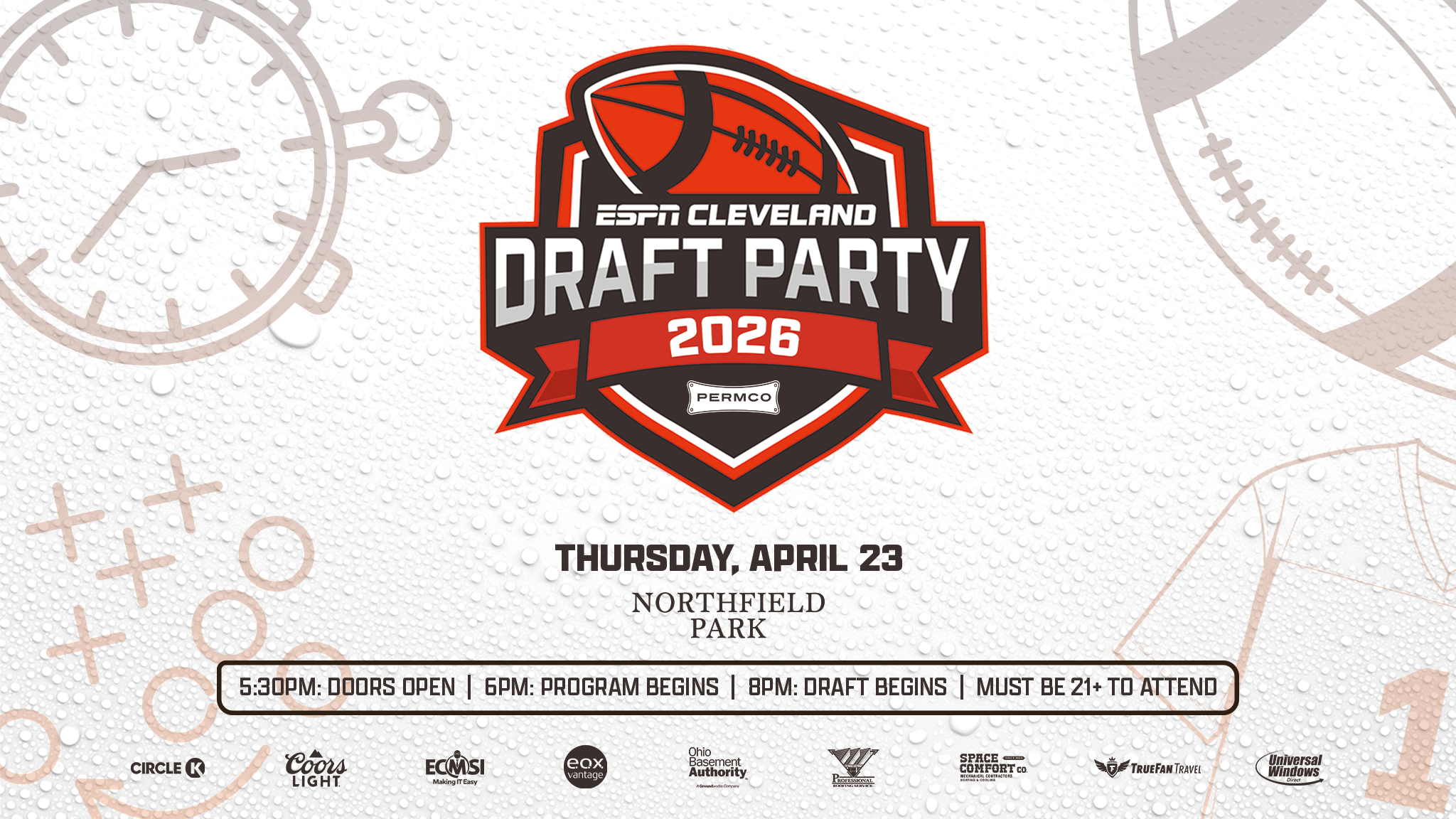
Apr. 23, 2026
ESPN Cleveland Draft Party

Apr. 26, 2026
Matt Fraser: America's Top Psychic Medium