- Today
- Holidays
- Birthdays
- Reminders
- Cities
- Atlanta
- Austin
- Baltimore
- Berwyn
- Beverly Hills
- Birmingham
- Boston
- Brooklyn
- Buffalo
- Charlotte
- Chicago
- Cincinnati
- Cleveland
- Columbus
- Dallas
- Denver
- Detroit
- Fort Worth
- Houston
- Indianapolis
- Knoxville
- Las Vegas
- Los Angeles
- Louisville
- Madison
- Memphis
- Miami
- Milwaukee
- Minneapolis
- Nashville
- New Orleans
- New York
- Omaha
- Orlando
- Philadelphia
- Phoenix
- Pittsburgh
- Portland
- Raleigh
- Richmond
- Rutherford
- Sacramento
- Salt Lake City
- San Antonio
- San Diego
- San Francisco
- San Jose
- Seattle
- Tampa
- Tucson
- Washington
Climate Change Fuels Worst Pollen Seasons on Record
Allergists warn that rising temperatures and carbon emissions are causing longer, more severe allergy and asthma seasons.
Apr. 16, 2026 at 7:00pm
Got story updates? Submit your updates here. ›
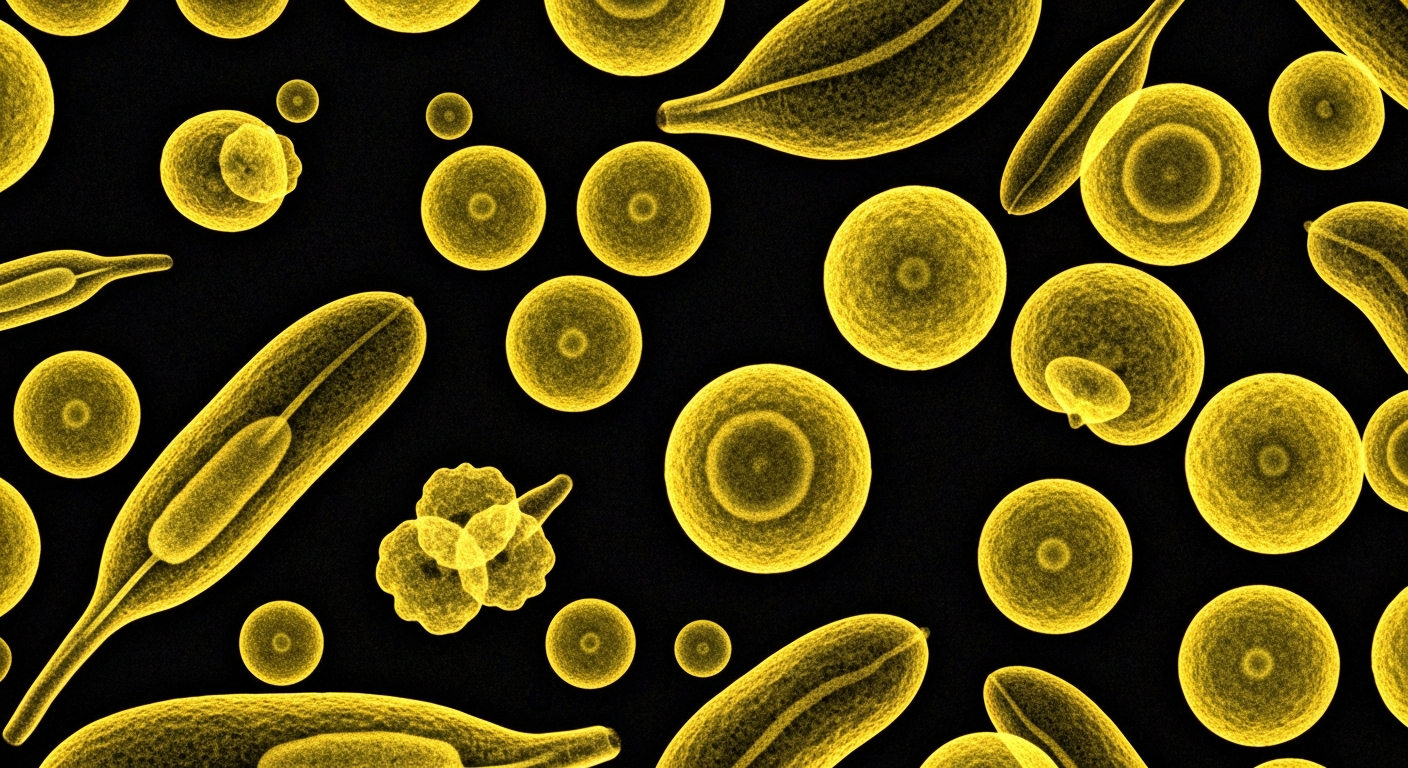 Microscopic pollen grains, captured in ghostly X-ray detail, reveal the unseen triggers behind the worst allergy seasons on record.Columbus Today
Allergists are seeing a surge in patients suffering from the worst pollen seasons on record, driven by climate change factors like warmer temperatures, increased carbon dioxide, and more extreme weather. Experts say pollen seasons are starting earlier, lasting longer, and exposing more people to severe allergy and asthma symptoms that can lead to missed work, school, and even hospitalizations.
Why it matters
Allergic rhinitis and asthma are two of the most common chronic conditions, affecting millions of children and adults. Climate change is exacerbating these conditions in numerous ways, from longer pollen seasons to increased air pollution, mold, and other triggers. This has a major economic impact through missed work and school, emergency visits, and hospitalizations.
The details
Warmer temperatures and higher carbon dioxide levels are causing trees, grasses, and weeds to produce more pollen than ever before. Pollen seasons are starting earlier and lasting longer, with new species appearing in areas that were previously too cold. Climate change is also increasing other allergy and asthma triggers like smoke from wildfires, mold from floods and humidity, and air pollution from hot, windless days.
- Pollen season typically starts in early spring and peaks in the morning hours.
- Earth Day 2026 is on April 22, a time to reflect on the planet's impact on those with allergies and asthma.
The players
Dr. David Stukus
A professor of clinical pediatrics and the director of the Food Allergy Treatment Center at Nationwide Children's Hospital in Columbus, Ohio. He is the current president-elect for the American College of Allergy, Asthma and Immunology.
American College of Allergy, Asthma and Immunology
A professional medical organization that provides an online 'Find an Allergist' tool to help people locate board-certified allergists in their area.
What they’re saying
“We used to think the onslaught was worse than the previous year. Now, we know beyond any doubt that pollen seasons are indeed worse than ever before.”
— Dr. David Stukus, Professor of Clinical Pediatrics
“Climate change directly impacts allergies and asthma in many ways. Warmer temperatures and increased levels of carbon dioxide in the atmosphere mean trees, grasses and weeds are pumping more pollen than ever into the air.”
— Dr. David Stukus, Professor of Clinical Pediatrics
What’s next
The American College of Allergy, Asthma and Immunology encourages those suffering from allergies and asthma to use their online 'Find an Allergist' tool to locate a board-certified specialist who can provide individualized therapies and treatments.
The takeaway
While combating climate change requires large-scale societal efforts, individuals can take steps to manage their allergies and asthma, such as using air purifiers, wearing masks, and staying indoors during high pollen or pollution events. Seeking care from an allergist can also provide relief and prevent severe symptoms.
Columbus top stories


Columbus events

Apr. 18, 2026
Miss Saigon
Apr. 18, 2026
Columbus Crew 2 vs. New England Revolution II