- Today
- Holidays
- Birthdays
- Reminders
- Cities
- Atlanta
- Austin
- Baltimore
- Berwyn
- Beverly Hills
- Birmingham
- Boston
- Brooklyn
- Buffalo
- Charlotte
- Chicago
- Cincinnati
- Cleveland
- Columbus
- Dallas
- Denver
- Detroit
- Fort Worth
- Houston
- Indianapolis
- Knoxville
- Las Vegas
- Los Angeles
- Louisville
- Madison
- Memphis
- Miami
- Milwaukee
- Minneapolis
- Nashville
- New Orleans
- New York
- Omaha
- Orlando
- Philadelphia
- Phoenix
- Pittsburgh
- Portland
- Raleigh
- Richmond
- Rutherford
- Sacramento
- Salt Lake City
- San Antonio
- San Diego
- San Francisco
- San Jose
- Seattle
- Tampa
- Tucson
- Washington
Glowing Red Eyes in the Dark: The Science Behind Eyeshine
Exploring the natural phenomenon that causes some animals to have scary-looking glowing eyes at night
Apr. 20, 2026 at 5:20am
Got story updates? Submit your updates here. ›
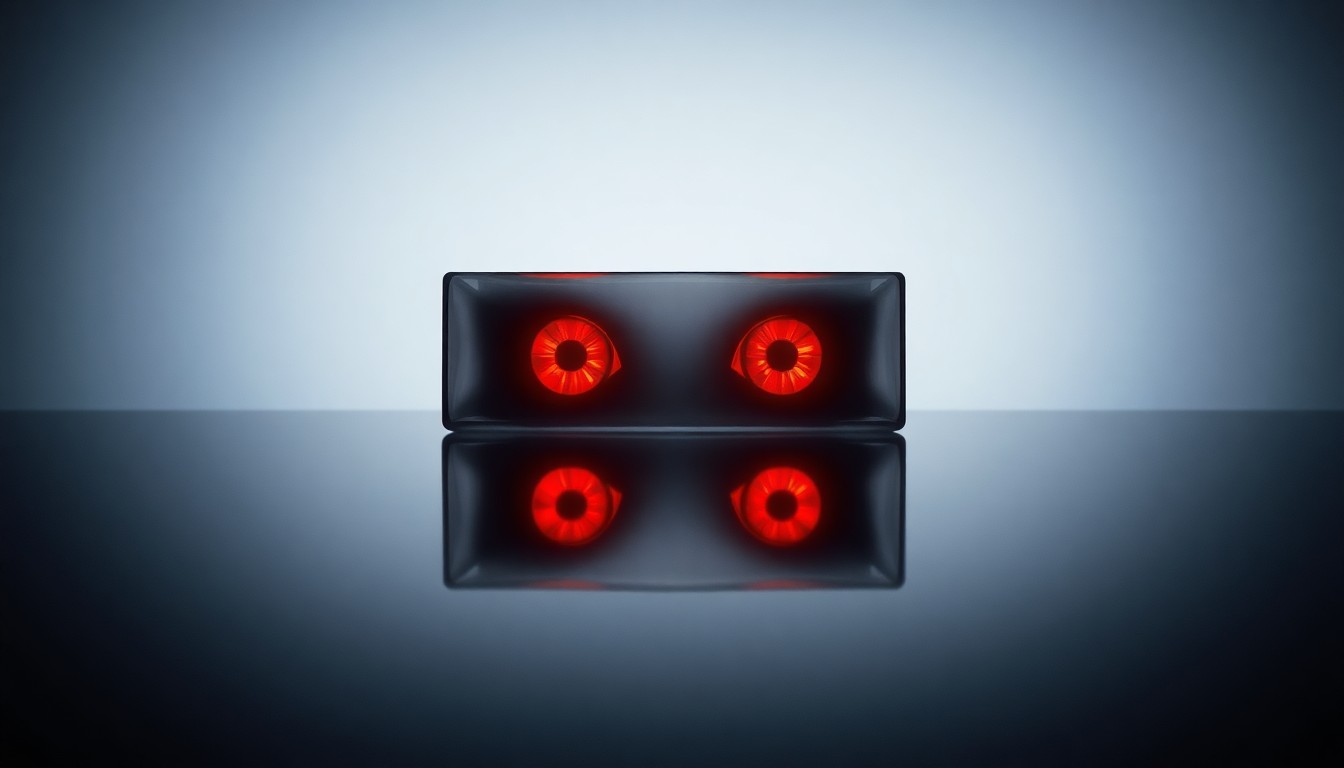 The eerie glow of a nocturnal animal's eyes reflects the natural adaptation of eyeshine, a specialized trait that enhances night vision.Cleveland Today
Have you ever been startled by a pair of glowing red eyes staring back at you in the dark? This eerie phenomenon is actually a natural adaptation called eyeshine, where light reflects off a special layer in certain animals' eyes to enhance their night vision. While it may seem supernatural, the science behind eyeshine is quite fascinating.
Why it matters
Understanding eyeshine helps dispel myths and misconceptions about what causes glowing eyes in the dark. This knowledge can make nighttime encounters with nocturnal animals less frightening and more educational. Exploring eyeshine also provides insights into the remarkable adaptations that allow some creatures to thrive in low-light environments.
The details
Eyeshine occurs when light hits the tapetum lucidum, a reflective layer behind the retina in the eyes of many nocturnal and crepuscular animals. This layer acts like a mirror, reflecting light back through the retina, giving the animal a second chance to detect it and improving their night vision. The color of the eyeshine depends on the specific pigments in the animal's eyes, with red being a common hue seen in rodents like rats and mice.
- Eyeshine is most commonly observed at night or in other low-light conditions when the tapetum lucidum is able to reflect available light.
- Many animals that exhibit eyeshine, such as rodents, are most active during the evening and nighttime hours.
The players
Tapetum lucidum
A reflective layer behind the retina in the eyes of many nocturnal and crepuscular animals that enhances their night vision by reflecting light back through the retina.
Retina
The light-sensitive layer at the back of the eye that contains the photoreceptors responsible for vision.
What’s next
As more people become aware of the science behind eyeshine, it can help reduce fear and promote a better understanding of the natural world. Further research into the specific adaptations and evolutionary advantages of eyeshine in different animal species could also lead to new insights and applications.
The takeaway
Glowing red eyes in the dark may seem supernatural, but they are actually a remarkable natural adaptation that allows certain animals to thrive in low-light environments. Understanding the science behind eyeshine can help dispel myths, foster appreciation for the natural world, and inspire further exploration of the incredible diversity of life on our planet.
Cleveland top stories



Cleveland events

Apr. 20, 2026
NERD NIGHT @ THE FOUNDRY
Apr. 20, 2026
Cleveland Guardians vs. Houston Astros
Apr. 21, 2026
Cleveland Guardians vs. Houston Astros