- Today
- Holidays
- Birthdays
- Reminders
- Cities
- Atlanta
- Austin
- Baltimore
- Berwyn
- Beverly Hills
- Birmingham
- Boston
- Brooklyn
- Buffalo
- Charlotte
- Chicago
- Cincinnati
- Cleveland
- Columbus
- Dallas
- Denver
- Detroit
- Fort Worth
- Houston
- Indianapolis
- Knoxville
- Las Vegas
- Los Angeles
- Louisville
- Madison
- Memphis
- Miami
- Milwaukee
- Minneapolis
- Nashville
- New Orleans
- New York
- Omaha
- Orlando
- Philadelphia
- Phoenix
- Pittsburgh
- Portland
- Raleigh
- Richmond
- Rutherford
- Sacramento
- Salt Lake City
- San Antonio
- San Diego
- San Francisco
- San Jose
- Seattle
- Tampa
- Tucson
- Washington
Melissa Auf der Maur Reflects on Turning Down Elastica, Championing Women in Rock
The legendary Hole bassist opens up about a pivotal career decision and the challenges faced by female musicians in the 1990s
Apr. 10, 2026 at 10:28pm
Got story updates? Submit your updates here. ›
 The shattered remnants of the 1990s rock scene reflect the challenges and triumphs faced by pioneering female musicians like Melissa Auf der Maur.Cleveland Today
Melissa Auf der Maur, the acclaimed bassist and member of the iconic band Hole, reflects on a pivotal moment in her career - being offered a spot in the influential British post-punk group Elastica. In a recent interview, Auf der Maur candidly discusses the complexities of her decision and the broader implications for women seeking opportunities in the male-dominated rock music industry of the 1990s.
Why it matters
Auf der Maur's story sheds light on the competitive yet supportive environment for female musicians at the time, where they often had to fight for recognition and opportunities. Her decision to turn down Elastica highlights the difficult choices women in rock had to make, as they navigated a landscape still heavily skewed towards male artists and gatekeepers.
The details
Auf der Maur describes Elastica's offer as "very cool," but also acknowledges the bittersweet nature of having to say no. "It was not cool that I had to say no! We - women in rock - were rooting, and starving, for each other," she explains, underscoring the challenges female musicians faced in supporting one another amid the industry's gender imbalance. Elastica's unique blend of British post-punk and pop catchiness made them an "exciting anomaly" in the rock landscape, and Auf der Maur was drawn to their innovative sound.
- Auf der Maur was offered the spot in Elastica in the early 1990s.
The players
Melissa Auf der Maur
A legendary bassist and member of the band Hole, known for her influential role in the 1990s rock scene.
Elastica
An iconic British post-punk band that rose to prominence in the 1990s with their unique blend of punk and pop sounds.
Sinéad O'Connor
A powerful female artist who influenced the 1990s rock landscape, including Hole's decision to play Lollapalooza.
Courtney Love
The frontwoman of Hole, who has hinted at a potential reunion with Auf der Maur.
What they’re saying
“It was not cool that I had to say no! We - women in rock - were rooting, and starving, for each other.”
— Melissa Auf der Maur, Bassist, Hole
“When Elastica came out with that British post-punk attitude combined with pop catchiness, they were an exciting anomaly.”
— Melissa Auf der Maur, Bassist, Hole
“Everyone thinks the '90s is the time of women, but they didn't all last and there wasn't a lot.”
— Melissa Auf der Maur, Bassist, Hole
What’s next
Auf der Maur's memoir, "Even The Good Girls Will Cry", is set to be released in 2025 and is expected to provide rare insights into her personal journey and the challenges she faced in the music industry. Additionally, the future of Hole remains a topic of speculation, with Courtney Love hinting at a potential collaboration between her and Auf der Maur, including new music and live shows.
The takeaway
Melissa Auf der Maur's reflection on her decision to turn down Elastica offers a fascinating glimpse into the complexities and gender imbalances that women in rock music faced during the 1990s. Her story highlights the importance of female artists supporting one another and the ongoing need to create more equitable opportunities in the industry.
Cleveland top stories


Cleveland events
Apr. 11, 2026
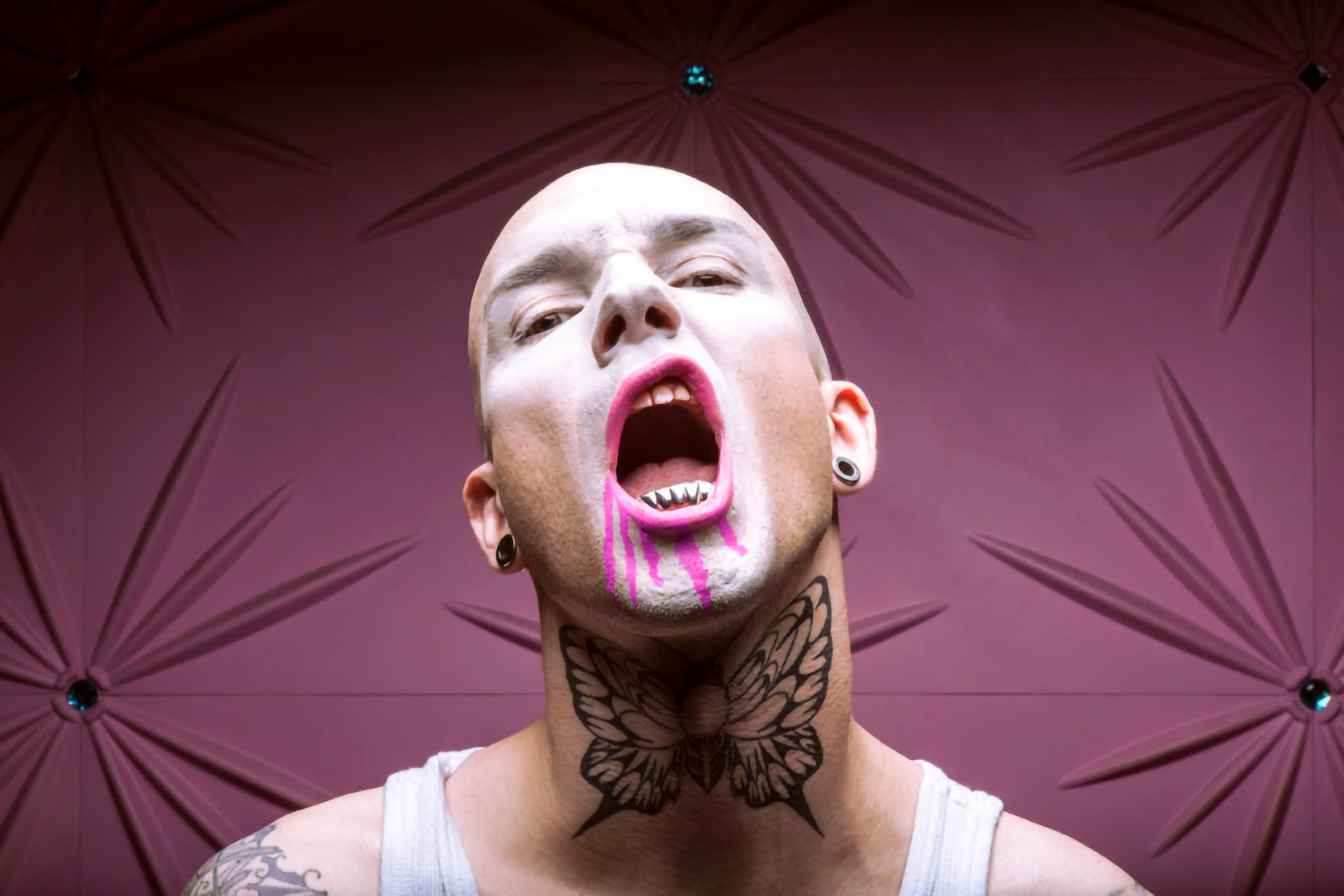
Aesthetic Perfection, Julien-K, Priest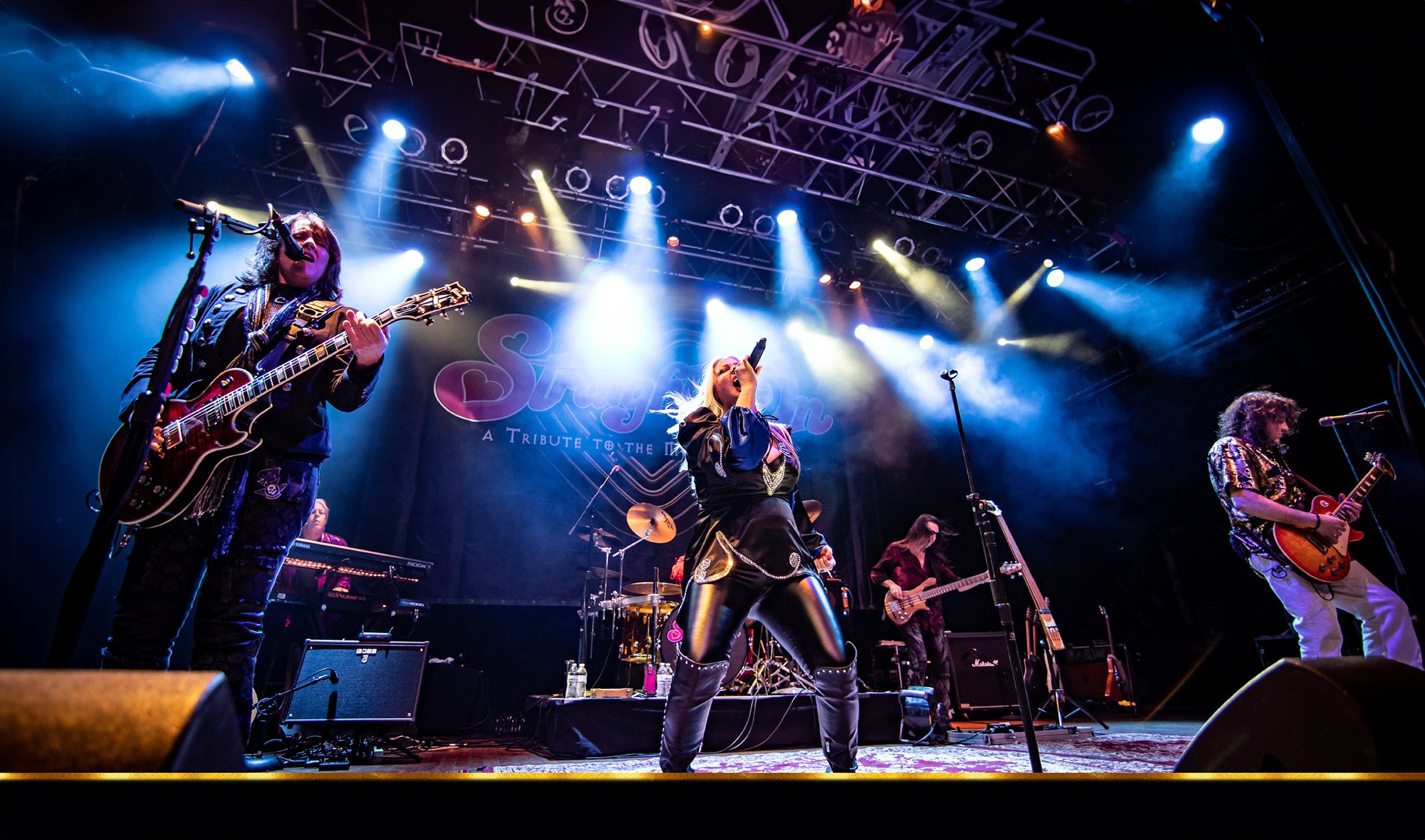
Apr. 11, 2026
Straight On - Heart Tribute Band
Apr. 11, 2026
TNA Wrestling