- Today
- Holidays
- Birthdays
- Reminders
- Cities
- Atlanta
- Austin
- Baltimore
- Berwyn
- Beverly Hills
- Birmingham
- Boston
- Brooklyn
- Buffalo
- Charlotte
- Chicago
- Cincinnati
- Cleveland
- Columbus
- Dallas
- Denver
- Detroit
- Fort Worth
- Houston
- Indianapolis
- Knoxville
- Las Vegas
- Los Angeles
- Louisville
- Madison
- Memphis
- Miami
- Milwaukee
- Minneapolis
- Nashville
- New Orleans
- New York
- Omaha
- Orlando
- Philadelphia
- Phoenix
- Pittsburgh
- Portland
- Raleigh
- Richmond
- Rutherford
- Sacramento
- Salt Lake City
- San Antonio
- San Diego
- San Francisco
- San Jose
- Seattle
- Tampa
- Tucson
- Washington
Ohio State Professor Predicts Autonomous Farming's Impact
Shearer says no-till farmers can turn new tech into an asset if they prepare for the future
Apr. 18, 2026 at 8:44am
Got story updates? Submit your updates here. ›
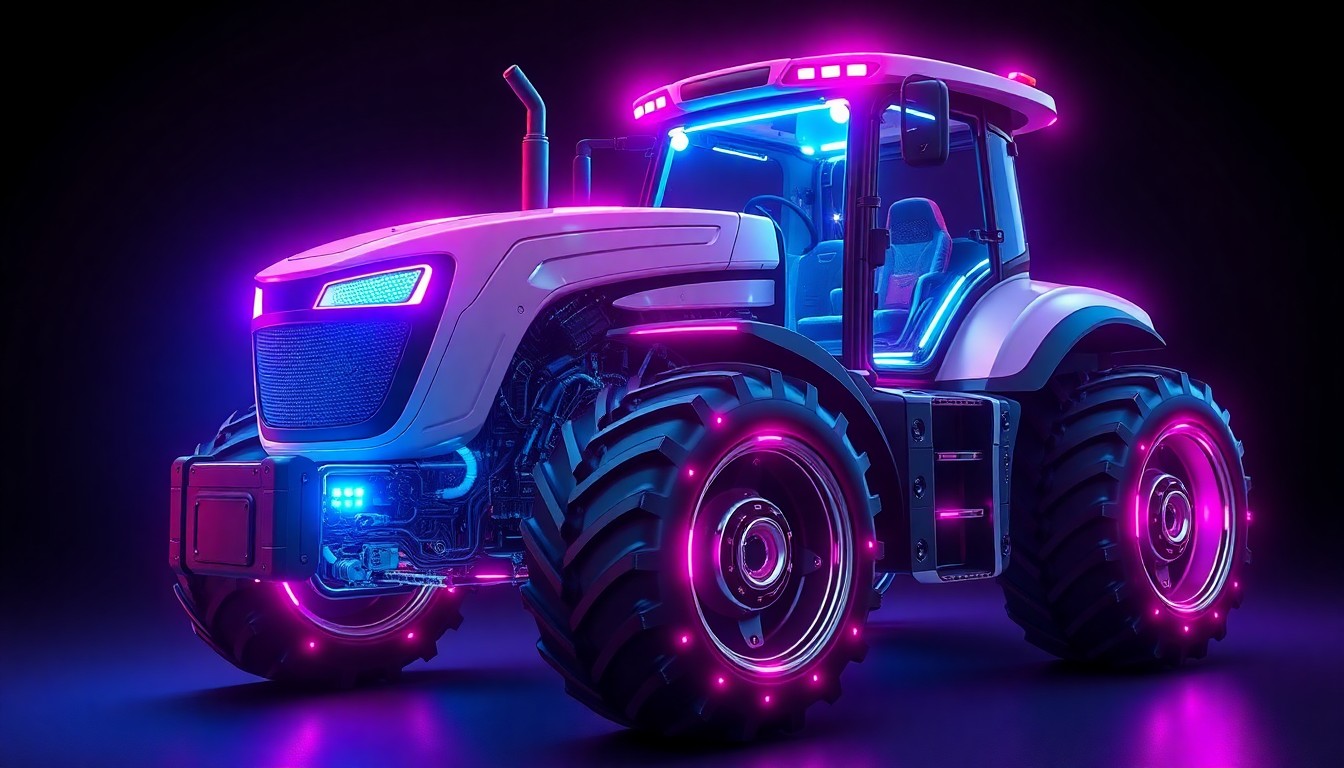 As the agriculture industry embraces autonomous technology, no-till farmers must adapt to stay ahead of the curve.Cincinnati Today
According to Scott Shearer, chair of the department of food, agricultural and biological engineering at Ohio State University, the agriculture industry is shifting to autonomous equipment, prescriptive applications, and farming as a service. Shearer shared his predictions at the 2022 National No-Tillage Conference about how autonomous farm machinery will change the structure of the agriculture industry, and how no-tillers can turn new technology into an asset if they're prepared for advancements coming in the not-so-distant future.
Why it matters
The increasing adoption of precision agriculture technology, including auto-steer, field mapping, and yield monitors, among no-till farmers signals a broader shift in the industry towards autonomous and data-driven farming. Understanding how these technological changes will impact the structure of the agriculture industry is crucial for no-till farmers to stay ahead of the curve and leverage new innovations to their advantage.
The details
Shearer says the agriculture industry is transitioning to autonomous equipment, prescriptive applications, and farming as a service. He predicts that smaller, lighter machinery could be a gateway to minimizing compaction, maximizing efficiency, and increasing yields. However, Shearer notes that there is a technical obsolescence of precision equipment versus the mechanical life of heavy machinery, which creates challenges for farmers.
- Shearer shared his predictions at the 2022 National No-Tillage Conference.
The players
Scott Shearer
Chair of the department of food, agricultural and biological engineering at Ohio State University.
What they’re saying
“The agriculture industry is shifting to autonomous equipment, prescriptive applications and farming as a service.”
— Scott Shearer, Chair of the department of food, agricultural and biological engineering at Ohio State University
The takeaway
As the agriculture industry continues to embrace autonomous and data-driven technologies, no-till farmers must be proactive in understanding and preparing for these changes. By leveraging new precision agriculture tools, no-tillers can position themselves to maximize efficiency, minimize compaction, and increase yields on their operations.
Cincinnati top stories



Cincinnati events

Apr. 19, 2026
Puscifer- The Normal Isn't Tour
Apr. 19, 2026
Ambrosia
Apr. 21, 2026
Water for Elephants (Touring)