- Today
- Holidays
- Birthdays
- Reminders
- Cities
- Atlanta
- Austin
- Baltimore
- Berwyn
- Beverly Hills
- Birmingham
- Boston
- Brooklyn
- Buffalo
- Charlotte
- Chicago
- Cincinnati
- Cleveland
- Columbus
- Dallas
- Denver
- Detroit
- Fort Worth
- Houston
- Indianapolis
- Knoxville
- Las Vegas
- Los Angeles
- Louisville
- Madison
- Memphis
- Miami
- Milwaukee
- Minneapolis
- Nashville
- New Orleans
- New York
- Omaha
- Orlando
- Philadelphia
- Phoenix
- Pittsburgh
- Portland
- Raleigh
- Richmond
- Rutherford
- Sacramento
- Salt Lake City
- San Antonio
- San Diego
- San Francisco
- San Jose
- Seattle
- Tampa
- Tucson
- Washington
South Korean Pianist Overcomes Stroke to Perform One-Handed
Lee Hun makes comeback as country's only professional left-hand-only pianist, prepares for first orchestra performance.
Apr. 17, 2026 at 1:03am
Got story updates? Submit your updates here. ›
 After a stroke left him with limited mobility, South Korean pianist Lee Hun has recreated himself as a one-handed performer, inspiring audiences with his resilience and emotional interpretations.Cincinnati Today
When a major stroke paralyzed South Korean pianist Lee Hun's right side in 2012, he initially worried about walking again, not playing the piano. But after encouragement from a mentor, Lee returned to the instrument and has since made a remarkable comeback as South Korea's only known professional one-handed pianist, preparing for his first joint performance with an orchestra at an international music festival.
Why it matters
Lee's story highlights the resilience and determination of artists who refuse to let physical setbacks derail their passions. His journey from despair to triumph as a one-handed performer has inspired many in South Korea's music community and beyond, challenging perceptions of what's possible after a devastating stroke.
The details
After the 2012 stroke that damaged 60% of his brain's left hemisphere, Lee couldn't move his right arm and leg and suffered temporary aphasia. He was brought back to South Korea in a wheelchair, unable to recognize his own father. But a conversation with his former piano teacher, Chun Yung Hae, in 2013 rekindled Lee's passion for the piano, as Chun encouraged him to explore the repertoire for left-hand-only. Lee began practicing intensively and made his formal debut as a one-handed pianist in 2016, performing works like Camille Saint-Saëns' '6 Etudes for the Left Hand Alone'.
- In August 2012, Lee suffered a major stroke that paralyzed his right side.
- In 2013, Lee's former teacher Chun Yung Hae encouraged him to play piano again using his left hand.
- In 2016, Lee made his formal debut as a one-handed pianist at Seoul St. Mary's Hospital.
- On May 2, 2026, Lee will perform Ravel's 'Piano Concerto for the Left Hand' with a festival orchestra.
The players
Lee Hun
A 54-year-old South Korean pianist who suffered a major stroke in 2012 that paralyzed his right side, but has since made a remarkable comeback as the country's only known professional one-handed pianist.
Chun Yung Hae
Lee's former piano teacher who encouraged him to return to the piano after his stroke, informing him about the large repertoire of pieces written for the left hand alone.
Lee Hae Chang
Lee Hun's father, a baseball legend in South Korea, who said his son couldn't recognize him when he was first brought back to the country after the stroke.
Poong Ok Hee
Lee Hun's mother, who recalled fighting with her son due to his mood swings as she cared for him daily after the stroke.
Koo Jaseong
Lee Hun's doctor at St. Mary's Hospital, who said the prospects for Lee regaining use of his right hand are dim, though he applauds Lee's efforts.
What they’re saying
“I'm so, so nervous I could die. It's just one concerto but working with an orchestra has its own difficulties.”
— Lee Hun, Pianist
“He is a pianist so he must play the piano. He was completely hopeless and in despair, so I tried to give him some hope. But I didn't expect him to play as well as this.”
— Chun Yung Hae, Lee's Former Piano Teacher
“He plays a sort of music that truly touches the heart of people and it's not about finger dexterity.”
— Lee Eungkwang, Head of Cultural Foundation
What’s next
On May 2, 2026, Lee Hun will perform Ravel's 'Piano Concerto for the Left Hand' with the festival orchestra at the annual Icheon Young-Artist International Music Festival in South Korea.
The takeaway
Lee Hun's remarkable comeback as a one-handed pianist after a devastating stroke has inspired many in South Korea's music community, proving that physical setbacks need not derail an artist's passion and determination to perform.
Cincinnati top stories


Cincinnati events
Apr. 17, 2026
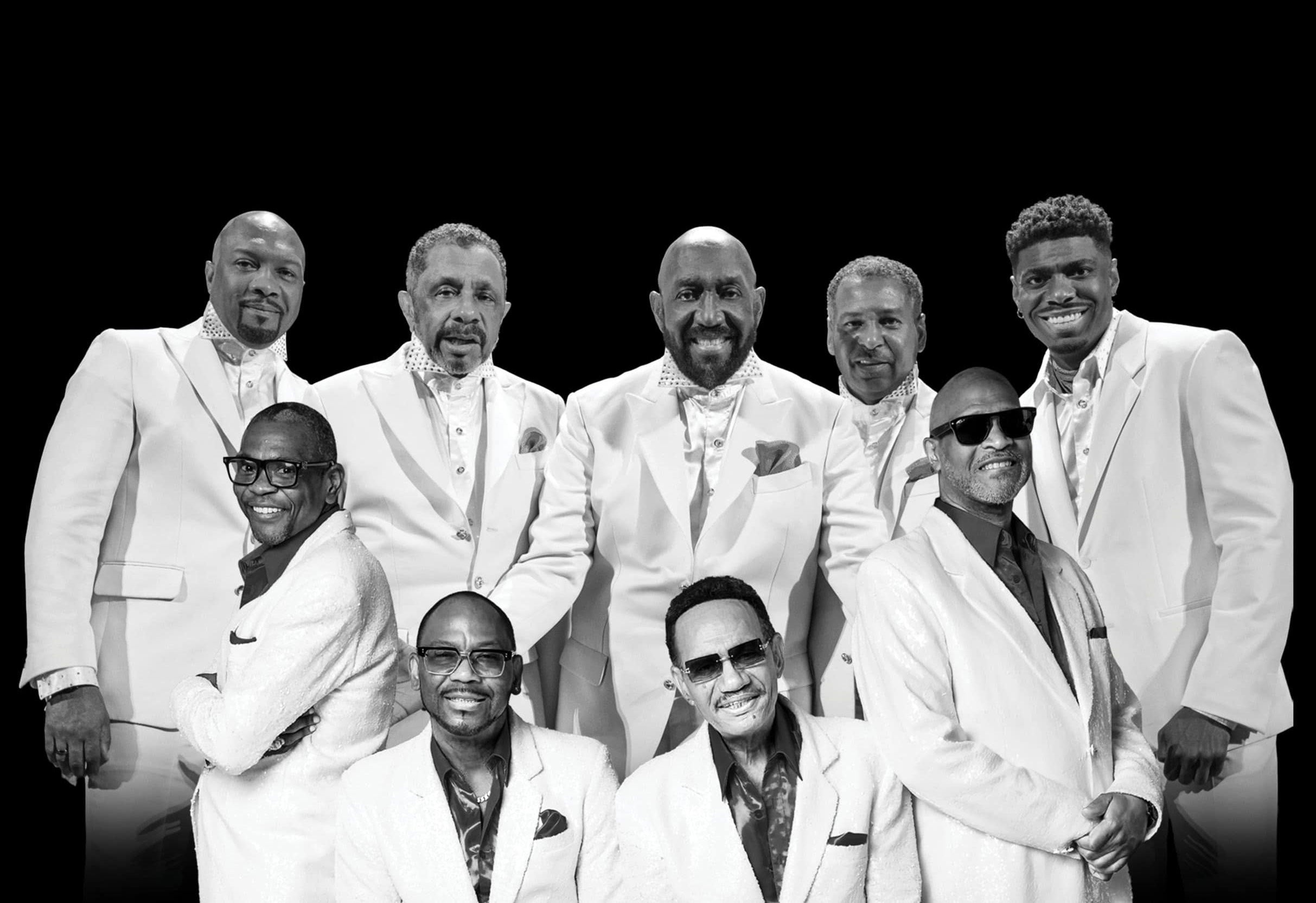
The Temptations & The Four Tops
Apr. 17, 2026
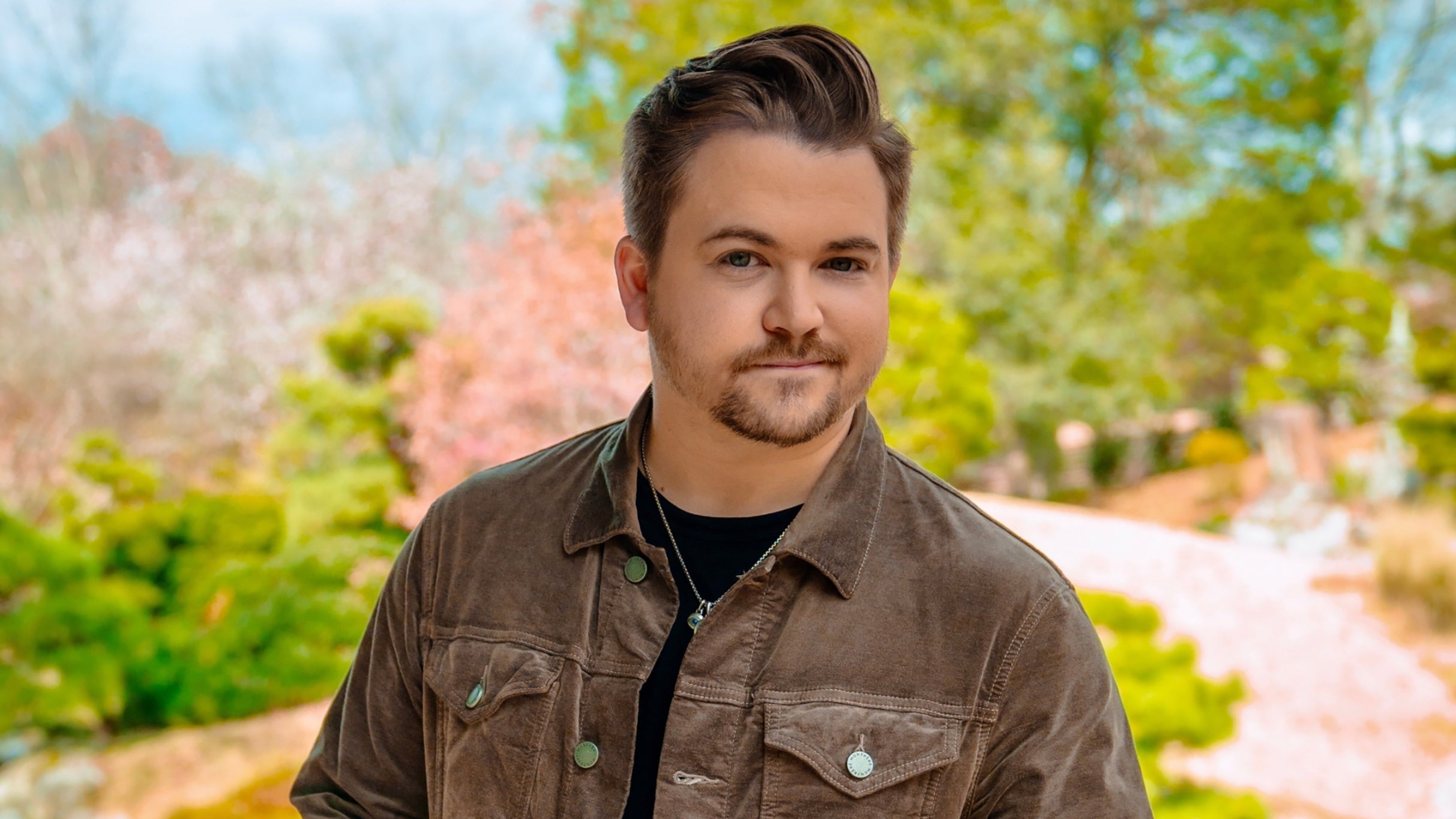
Hunter Hayes: The Evergreen Tour