- Today
- Holidays
- Birthdays
- Reminders
- Cities
- Atlanta
- Austin
- Baltimore
- Berwyn
- Beverly Hills
- Birmingham
- Boston
- Brooklyn
- Buffalo
- Charlotte
- Chicago
- Cincinnati
- Cleveland
- Columbus
- Dallas
- Denver
- Detroit
- Fort Worth
- Houston
- Indianapolis
- Knoxville
- Las Vegas
- Los Angeles
- Louisville
- Madison
- Memphis
- Miami
- Milwaukee
- Minneapolis
- Nashville
- New Orleans
- New York
- Omaha
- Orlando
- Philadelphia
- Phoenix
- Pittsburgh
- Portland
- Raleigh
- Richmond
- Rutherford
- Sacramento
- Salt Lake City
- San Antonio
- San Diego
- San Francisco
- San Jose
- Seattle
- Tampa
- Tucson
- Washington
Chronic Subdural Hematoma Patients Face Elevated Long-Term Mortality Risk
Study finds cSDH surgery patients have double the mortality rate of general population over 10 years
Apr. 16, 2026 at 4:26pm
Got story updates? Submit your updates here. ›
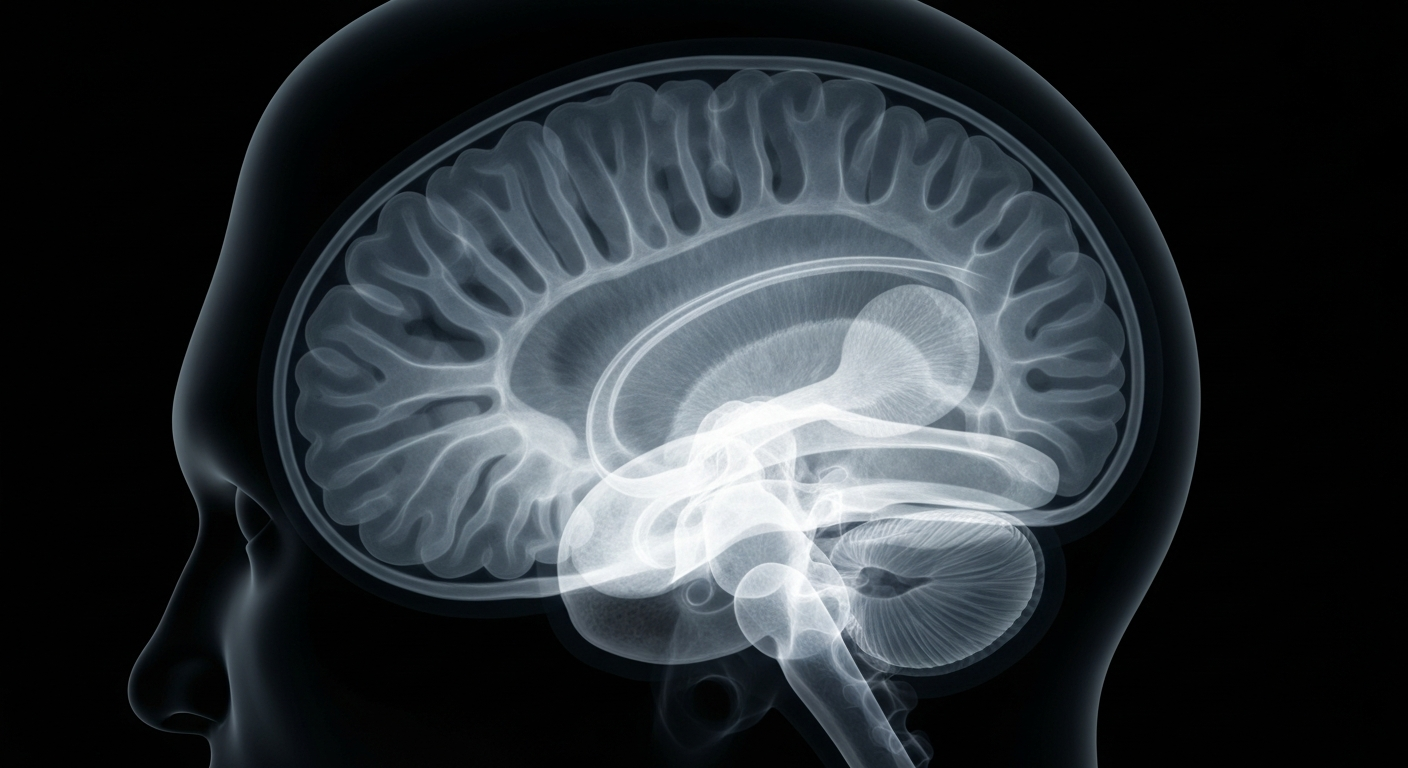 An X-ray-style visualization of the brain reveals the internal impact of chronic subdural hematoma, a condition that can lead to long-term cognitive and functional impairments.Cincinnati Today
Patients who undergo surgery for chronic subdural hematoma (cSDH) face a twofold increased risk of mortality and persistent cognitive and functional impairments up to 10 years later, according to a new cohort study. The long-term survival rate was just 55.5% for cSDH patients compared to 73.5% in the general population, with the survival gap widening over time.
Why it matters
The findings highlight the need for comprehensive long-term care and follow-up for cSDH patients, going beyond the typical post-operative period. Researchers say ongoing cognitive and frailty screening, rehabilitation, and social support programs are crucial to address the substantial disability burden these patients face.
The details
The study, published in JAMA Neurology, included 359 cSDH patients who underwent surgical treatment at a single center in Switzerland between 2012-2016. Over a mean 9.55-year follow-up, 153 patients died, with a median age at death of 85.2 years. Compared to age-, sex-, and birth month-matched controls from the general population, cSDH patients had more than double the risk of mortality (HR 2.02). At 10 years, only 55.5% of cSDH patients were still alive versus 73.5% of controls. Among long-term survivors, patients reported persistent impairments in cognitive, physical, role, and social functioning, though emotional functioning and overall quality of life were similar to controls.
- The study followed patients for a mean of 9.55 years, through December 31, 2023.
The players
Thomas Petutschnigg, MD
Lead author of the study, from the Department of Neurosurgery and Stroke Research Center in Bern, Switzerland.
David J. Robinson, MD, MS
Editorialist, from the University of Cincinnati College of Medicine.
Jared Knopman, MD
Editorialist, from NewYork-Presbyterian Hospital/Weill Cornell Medical Center.
What they’re saying
“From a clinical standpoint, our results emphasize the need for long-term continuity of care beyond hospital discharge with sustained engagement of primary physicians.”
— Thomas Petutschnigg, MD, Lead author
“Comprehensive postoperative follow-up beyond routine timepoints — including cognitive and frailty screening, neurorehabilitation or geriatric rehabilitation, and social reintegration programs — should be considered.”
— Thomas Petutschnigg, MD, Lead author
“While this is not representative of the premorbid disability observed in the overall cSDH population, it could argue for a more direct causal role of the cSDH in the long-term cognitive and physical impairments observed.”
— David J. Robinson, MD, MS, Editorialist
“As a result, this study still cannot definitively address the extent to which the cSDH or its management contributed to these outcomes, making it unclear how best to mitigate the observed long-term impairments.”
— Jared Knopman, MD, Editorialist
What’s next
Researchers call for additional clinical trials to better define optimal treatment strategies for cSDH and an emphasis on long-term function and other patient-centered outcomes.
The takeaway
The study highlights the significant long-term health burden faced by chronic subdural hematoma patients, even after surgical treatment, underscoring the need for comprehensive, multidisciplinary care and follow-up to address their persistent cognitive, physical, and functional impairments.
Cincinnati top stories



Cincinnati events

Apr. 17, 2026
The Temptations & The Four Tops

Apr. 17, 2026
Hunter Hayes: The Evergreen Tour