- Today
- Holidays
- Birthdays
- Reminders
- Cities
- Atlanta
- Austin
- Baltimore
- Berwyn
- Beverly Hills
- Birmingham
- Boston
- Brooklyn
- Buffalo
- Charlotte
- Chicago
- Cincinnati
- Cleveland
- Columbus
- Dallas
- Denver
- Detroit
- Fort Worth
- Houston
- Indianapolis
- Knoxville
- Las Vegas
- Los Angeles
- Louisville
- Madison
- Memphis
- Miami
- Milwaukee
- Minneapolis
- Nashville
- New Orleans
- New York
- Omaha
- Orlando
- Philadelphia
- Phoenix
- Pittsburgh
- Portland
- Raleigh
- Richmond
- Rutherford
- Sacramento
- Salt Lake City
- San Antonio
- San Diego
- San Francisco
- San Jose
- Seattle
- Tampa
- Tucson
- Washington
Blanchester Today
By the People, for the People
No-Till Farmers Trim Keeton Seeding Attachments to Reduce Mud Buildup
Cutting off the molded plastic tails can improve performance and increase yields in wet spring conditions.
Apr. 18, 2026 at 7:20am
Got story updates? Submit your updates here. ›
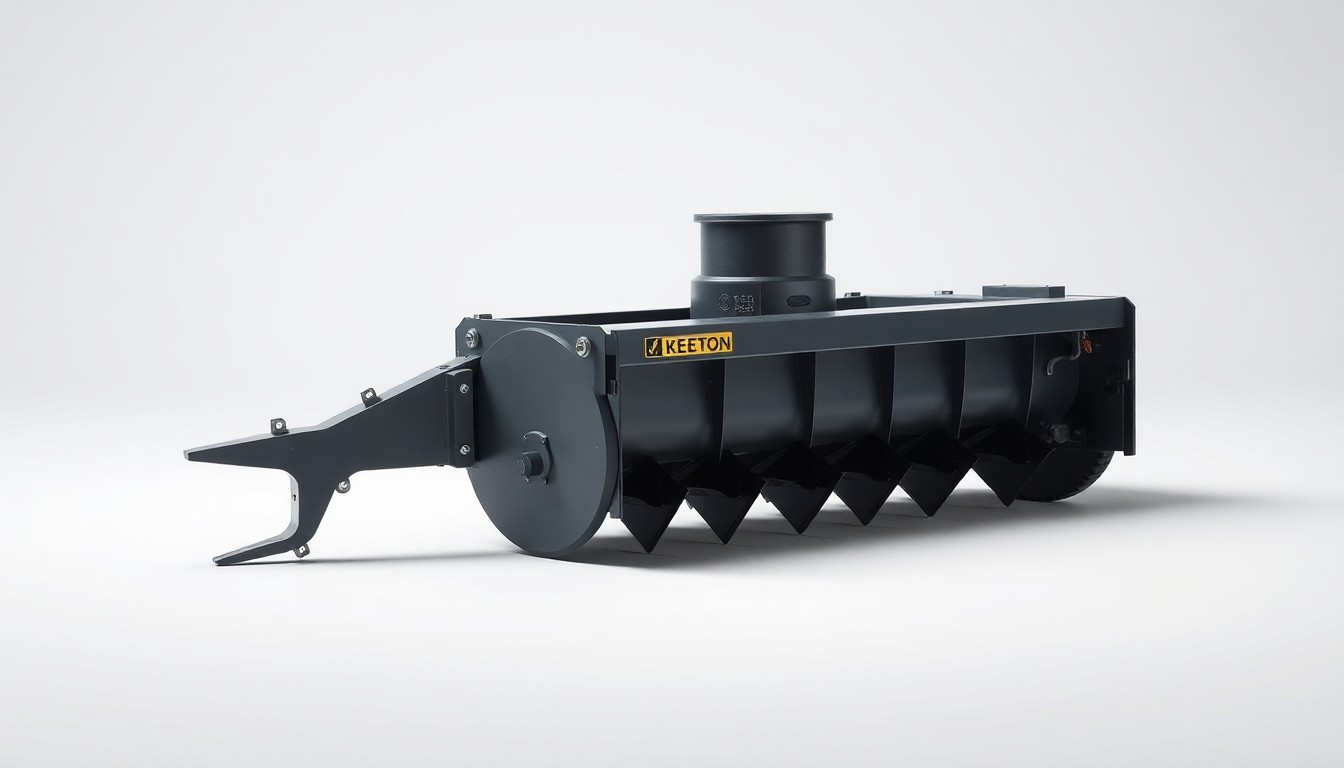 A simple modification to a common no-till seeding attachment could unlock significant yield gains for Corn Belt farmers.Blanchester Today
Many no-till farmers across the Corn Belt have been dealing with mud buildup on their Keeton seeding attachments, which can cause drag and potentially impact seed placement. Crop consultant Ed Winkle recommends trimming or removing the molded plastic tails on these units, as the mud buildup often becomes more severe in mid-April when soils are wetter. Data shows using these attachments can boost no-till corn yields by 5 to 12 bushels per acre, and farmers have found they can run the modified units for thousands of acres without increased wear.
Why it matters
As no-till farming continues to grow in popularity, managing equipment performance in wet spring conditions is crucial for maximizing yields. The Keeton seeding attachments are a common tool, but the mud buildup issue can negatively impact their effectiveness. Finding a simple solution like trimming the plastic tails could help more no-till farmers realize the full benefits of these yield-boosting devices.
The details
The mud buildup and resulting drag on the molded plastic tail of Keeton seeding attachments often becomes more severe with mid-April no-tilling and mellower soils that develop over several years of no-tilling. Some no-tillers even suspect the units drag seed at the beginning of a row. Crop consultant Ed Winkle says the liquid fertilizer or insecticide running through the seed firming unit's tube tends to draw in moisture, further aggravating the problem. Data shows using these attachments can result in an extra 5 to 12 bushels per acre of no-tilled corn.
- With earlier no-tilling and seeding into wet soils in mid-April, many no-tillers across the Corn Belt have seen a buildup of mud on Keeton seeding attachments.
The players
Ed Winkle
A crop consultant and veteran no-tiller from Blanchester, Ohio.
Kevin Reed
A no-till farmer from Washington, Iowa who recommends cutting the tails on an angle with a hacksaw.
What they’re saying
“'Depending on the soil temperature and time of day, the liquid fertilizer or insecticide that you are running in the seed firming unit's tube tends to draw in moisture. That really aggravates the problem and can lead to mud balling up on the molded plastic tail.'”
— Ed Winkle, Crop Consultant
“'In fact, we don't know why the designers added all the molded plastic in the first place as you don't need it in most of our fields. This modified plastic tail will not ball up with soil and will still be able to pinch the seed into the V-slot.'”
— Ed Winkle, Crop Consultant
What’s next
Farmers are encouraged to experiment with trimming or removing the molded plastic tails on their Keeton seeding attachments to see if it improves performance in wet spring conditions and boosts their no-till corn yields.
The takeaway
By making a simple modification to their Keeton seeding attachments, no-till farmers may be able to reduce mud buildup, improve seed placement, and ultimately increase their corn yields by 5 to 12 bushels per acre - a significant gain that could improve profitability in a challenging agricultural environment.