- Today
- Holidays
- Birthdays
- Reminders
- Cities
- Atlanta
- Austin
- Baltimore
- Berwyn
- Beverly Hills
- Birmingham
- Boston
- Brooklyn
- Buffalo
- Charlotte
- Chicago
- Cincinnati
- Cleveland
- Columbus
- Dallas
- Denver
- Detroit
- Fort Worth
- Houston
- Indianapolis
- Knoxville
- Las Vegas
- Los Angeles
- Louisville
- Madison
- Memphis
- Miami
- Milwaukee
- Minneapolis
- Nashville
- New Orleans
- New York
- Omaha
- Orlando
- Philadelphia
- Phoenix
- Pittsburgh
- Portland
- Raleigh
- Richmond
- Rutherford
- Sacramento
- Salt Lake City
- San Antonio
- San Diego
- San Francisco
- San Jose
- Seattle
- Tampa
- Tucson
- Washington
Athens Today
By the People, for the People
The Peloponnesian War: Power, Hubris and Tragedy
The devastating conflict between Athens and Sparta that shattered Greek dreams and triumphs
Apr. 8, 2026 at 4:05am
Got story updates? Submit your updates here. ›
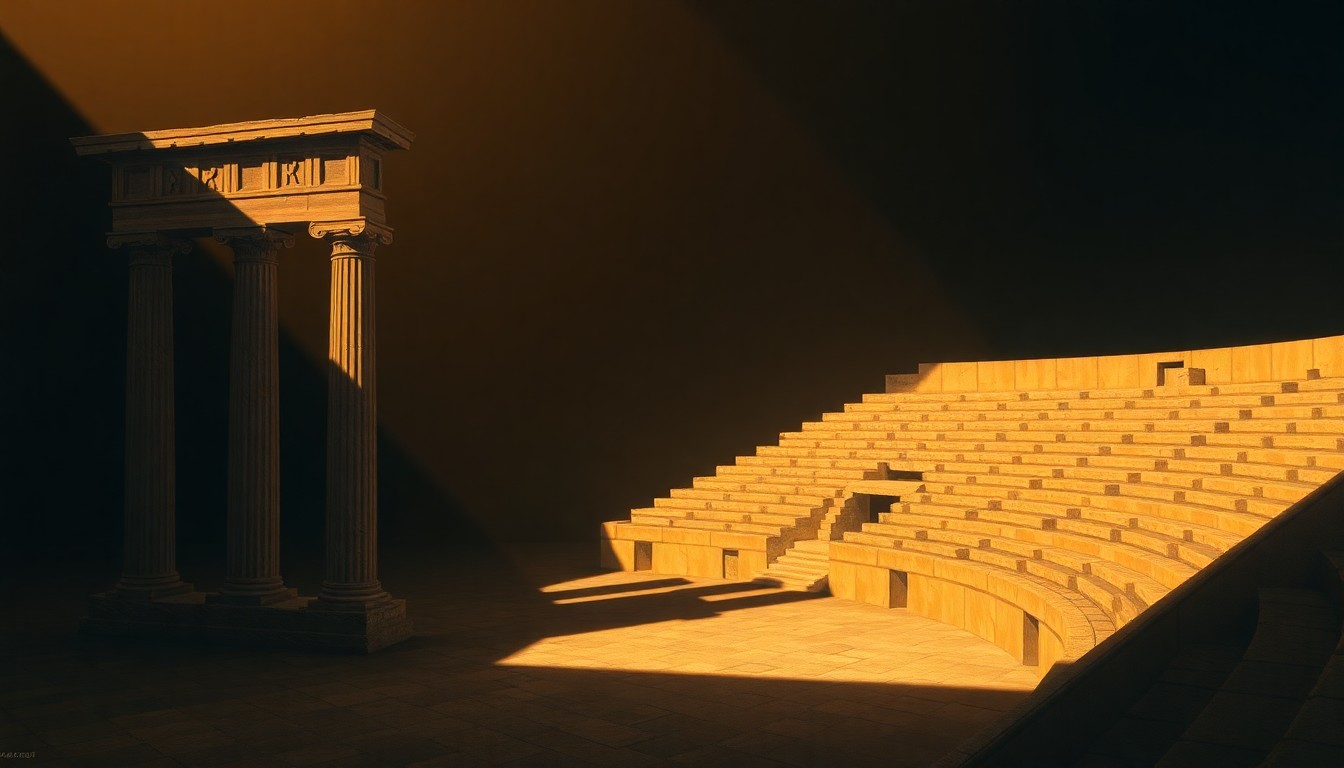 The Peloponnesian War's devastating impact on Greek civilization is captured in this evocative, nostalgic painting, evoking a sense of loss and the fragility of power.Athens Today
The article examines the Peloponnesian War, a 27-year conflict between Athens and Sparta that devastated the Greek world in the late 5th century BCE. The author argues the war revealed the darker side of Greek culture, with its intense antagonism and agonistic tendencies, despite the Greeks' lofty self-image. The war's aftermath led to the corruption of Athenian democracy and the execution of Socrates, events that shaped the philosophies of Plato and Aristotle. The article draws parallels between the Peloponnesian War and modern geopolitical conflicts, warning against the hubris and delusions of grandeur that can lead great powers to catastrophic wars.
Why it matters
The Peloponnesian War was a pivotal moment in Greek history that exposed the fragility of Greek civilization and the dangers of unchecked ambition and power. Understanding this conflict provides crucial context for the development of Greek philosophy, politics, and culture, as well as parallels to modern global tensions and the risks of great power rivalry.
The details
The Peloponnesian War broke out in 431 BCE between the two dominant Greek city-states, Athens and Sparta. Sparta, the military superpower, feared the expanding influence of Athens and launched the war. The conflict was marked by unprecedented levels of destruction, with many Greek cities captured and depopulated, widespread exile, killing, famine, and even a deadly plague in Athens. Thucydides, the Athenian general and historian, recorded the war's devastating impact, noting it revealed the deeply antagonistic relationship between the Ionian Athenians and the Dorian Spartans, who he saw as "eternal enemies." The war ultimately led to the defeat of Athens in 404 BCE, the corruption of Athenian democracy, and the execution of the philosopher Socrates, events that profoundly shaped the worldviews of Plato and Aristotle.
- The Peloponnesian War lasted from 431 BCE to 404 BCE.
- The war was triggered by Sparta's fear of Athens' growing power and influence in the Greek world.
The players
Thucydides
An Athenian general and historian who recorded the history of the Peloponnesian War, which he saw as a pivotal moment in Greek civilization.
Sparta
The Greek military superpower that launched the Peloponnesian War against its rival, Athens, out of fear of the latter's expanding influence.
Athens
The other dominant Greek city-state, whose growing power and ambition triggered the Peloponnesian War with Sparta.
Plato
The influential Greek philosopher who grew up during the Peloponnesian War and whose philosophical views were shaped by the conflict and its aftermath, including the execution of his teacher, Socrates.
Aristotle
The Greek philosopher who studied under Plato for 20 years and whose ideas went on to have a profound influence on the Hellenistic kingdoms that emerged after the death of Alexander the Great.
What they’re saying
“Thucydides became the world's greatest historian. He wrote in his story of The Peloponnesian War (6.80.3) that the Spartans and the Athenians, like good Dorians and Ionians, were eternal enemies.”
— Evaggelos Vallianatos, Author
“When deranged leaders invoke divine catastrophe as a political instrument, it is not only their enemies who are consumed. Unless they are stopped, we will all be victims of these two psychopaths.”
— Jeffrey Sachs, Preeminent economist at Columbia University and advisor to world leaders
What’s next
The article does not mention any definite future newsworthy events related to the Peloponnesian War. It focuses on analyzing the historical significance and lasting impact of the conflict.
The takeaway
The Peloponnesian War revealed the darker, more antagonistic side of Greek culture, despite the Greeks' lofty self-image. The war's devastating consequences, including the corruption of Athenian democracy and the execution of Socrates, shaped the philosophical worldviews of Plato and Aristotle. The article draws parallels between the Peloponnesian War and modern geopolitical conflicts, warning against the dangers of unchecked ambition and power that can lead to catastrophic wars.