- Today
- Holidays
- Birthdays
- Reminders
- Cities
- Atlanta
- Austin
- Baltimore
- Berwyn
- Beverly Hills
- Birmingham
- Boston
- Brooklyn
- Buffalo
- Charlotte
- Chicago
- Cincinnati
- Cleveland
- Columbus
- Dallas
- Denver
- Detroit
- Fort Worth
- Houston
- Indianapolis
- Knoxville
- Las Vegas
- Los Angeles
- Louisville
- Madison
- Memphis
- Miami
- Milwaukee
- Minneapolis
- Nashville
- New Orleans
- New York
- Omaha
- Orlando
- Philadelphia
- Phoenix
- Pittsburgh
- Portland
- Raleigh
- Richmond
- Rutherford
- Sacramento
- Salt Lake City
- San Antonio
- San Diego
- San Francisco
- San Jose
- Seattle
- Tampa
- Tucson
- Washington
Yonkers Today
By the People, for the People
MIT Professor Tackles Growing Space Congestion
Richard Linares applies astrodynamics to manage satellite traffic and space debris in low-Earth orbit.
Apr. 19, 2026 at 2:05pm
Got story updates? Submit your updates here. ›
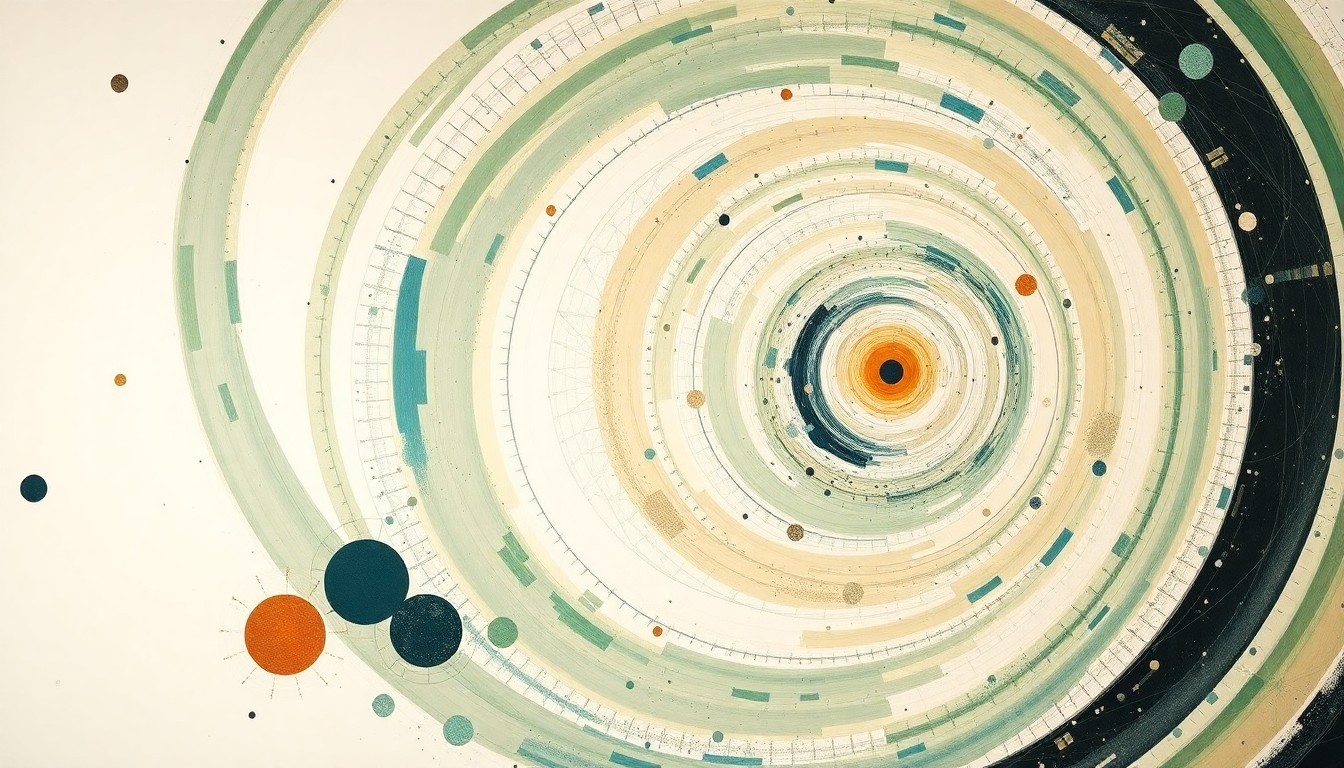 A conceptual visualization of the growing congestion and complexity of satellite traffic and space debris in low-Earth orbit.Yonkers Today
MIT Associate Professor Richard Linares leads research efforts to address the growing challenges of managing the increasing number of satellites and space debris in low-Earth orbit. His team has developed advanced models and tools to simulate orbital traffic, predict collisions, and help satellite operators plan safe trajectories. Linares is also exploring the use of artificial intelligence to enable satellites to autonomously adapt to changing conditions and fix issues onboard.
Why it matters
As the number of satellites and space debris continues to rapidly grow, there are increasing concerns about the sustainability and safety of operations in low-Earth orbit. Linares' work aims to provide the engineering solutions needed to enable the economic and scientific opportunities that satellites provide, while also ensuring the long-term viability of the space environment.
The details
Linares' research group, the MIT Astrodynamics, Space Robotics, and Controls Lab (ARCLab), applies astrodynamics - the study of the motion and trajectory of orbiting objects - to track and manage the millions of objects in orbit around the Earth. They have developed an open-source model called the MIT Orbital Capacity Assessment Tool (MoCAT) that can accurately simulate the trajectories of over 10 million individual objects in space, including active satellites and space debris. This tool helps satellite operators plan safe trajectories and avoid collisions. The team is also exploring the use of artificial intelligence to enable satellites to autonomously adapt to changing conditions and fix issues onboard, making them more robust and resilient.
- Linares received tenure as an associate professor in MIT's Department of Aeronautics and Astronautics in 2026.
- The first large satellite 'mega-constellations' like SpaceX's Starlink began launching into low-Earth orbit around 2018.
The players
Richard Linares
An associate professor in MIT's Department of Aeronautics and Astronautics who leads the MIT Astrodynamics, Space Robotics, and Controls Lab (ARCLab).
Charles Stark 'Doc' Draper
A legendary MIT professor who developed the first inertial guidance systems in the 1940s that enabled the self-navigation of airplanes, submarines, satellites, and spacecraft for decades.
What they’re saying
“It is a judgement that society has to make, of what value do we derive from launching more satellites.”
— Richard Linares, Associate Professor, MIT Department of Aeronautics and Astronautics
“Imagine if each satellite had a virtual Doc Draper onboard that could do the de-bugging that we did from the ground during the Apollo missions. That way, satellites would become instantaneously more robust. And it's not taking the human out of the equation. It's allowing the human to be amplified. I think that's within reach.”
— Richard Linares, Associate Professor, MIT Department of Aeronautics and Astronautics
What’s next
Linares and his team will continue to refine their orbital traffic simulation models and explore ways to leverage artificial intelligence to make satellites more autonomous and resilient. They will also work closely with satellite operators to help them plan and execute safe trajectories for their spacecraft.
The takeaway
As the number of satellites and space debris continues to grow exponentially, MIT Professor Richard Linares is at the forefront of developing the engineering solutions needed to ensure the long-term sustainability and safety of operations in low-Earth orbit. His work is critical for enabling the economic and scientific opportunities that satellites provide while also protecting the space environment.