- Today
- Holidays
- Birthdays
- Reminders
- Cities
- Atlanta
- Austin
- Baltimore
- Berwyn
- Beverly Hills
- Birmingham
- Boston
- Brooklyn
- Buffalo
- Charlotte
- Chicago
- Cincinnati
- Cleveland
- Columbus
- Dallas
- Denver
- Detroit
- Fort Worth
- Houston
- Indianapolis
- Knoxville
- Las Vegas
- Los Angeles
- Louisville
- Madison
- Memphis
- Miami
- Milwaukee
- Minneapolis
- Nashville
- New Orleans
- New York
- Omaha
- Orlando
- Philadelphia
- Phoenix
- Pittsburgh
- Portland
- Raleigh
- Richmond
- Rutherford
- Sacramento
- Salt Lake City
- San Antonio
- San Diego
- San Francisco
- San Jose
- Seattle
- Tampa
- Tucson
- Washington
Researchers Build Mechanical Computer Without Electricity
St. Olaf College and Syracuse University team creates simple mechanical devices that can perform computations using only physical force.
Apr. 13, 2026 at 5:40pm
Got story updates? Submit your updates here. ›
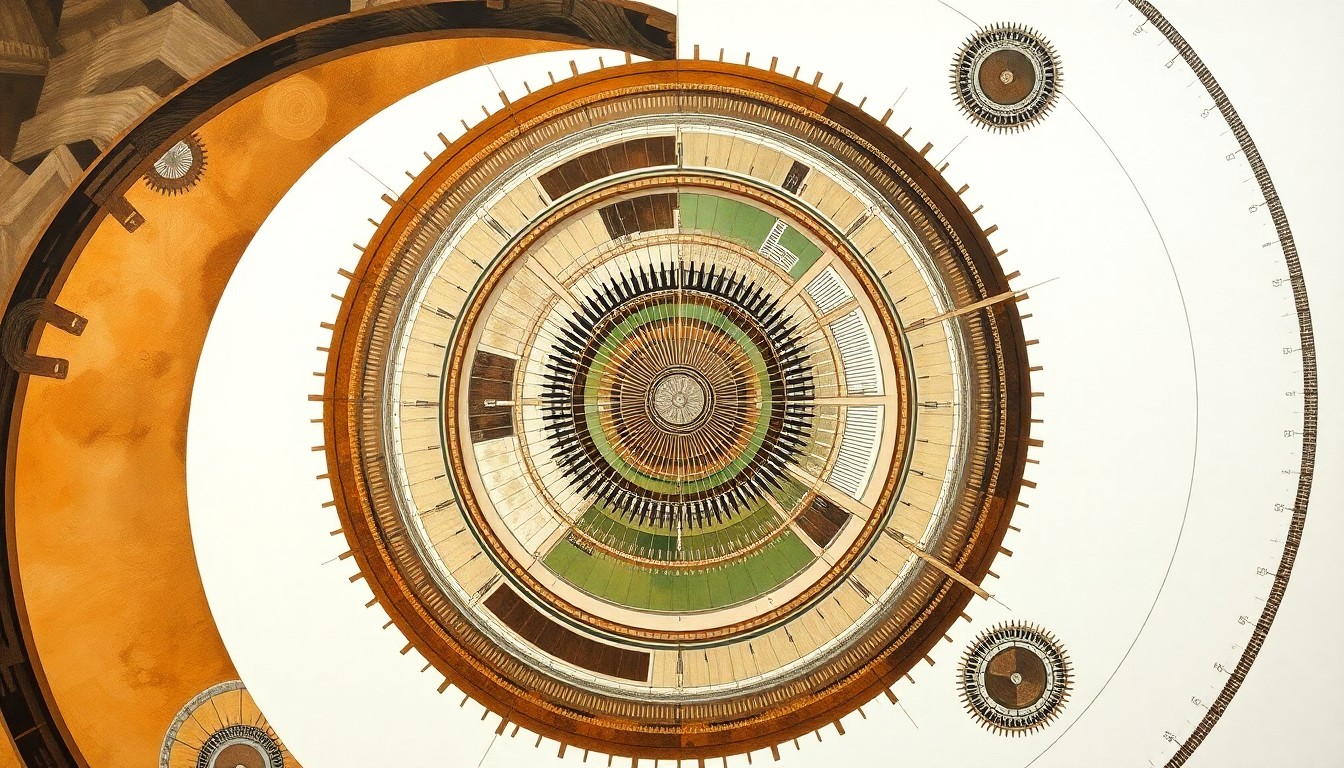 A conceptual illustration of the innovative mechanical computer prototype, showcasing the intricate interplay of physical components that enable simple computations without the need for electricity.Syracuse Today
Researchers from St. Olaf College and Syracuse University have developed a series of mechanical computers that can perform basic computations without the use of electricity or computer chips. The team, led by St. Olaf Associate Professor of Physics Joey Paulsen, used common materials like steel springs and bars to create three prototypes that can count, distinguish odd from even pushes, and remember the amount of force applied.
Why it matters
This research demonstrates the potential for mechanical computers to serve as viable alternatives to conventional electronic computers in certain applications, such as harsh environments where electricity may not be readily available. The findings also contribute to the broader field of 'smart materials' that can sense their environment and respond accordingly, which could lead to advancements in areas like artificial limbs and tactile interfaces.
The details
The research team built three different mechanical computers. The first could count how many times it was pulled back and forth, the second could distinguish whether it had been pushed an odd or even number of times, and the third could remember if a medium or large amount of force was applied. Paulsen noted that these machines are able to 'harvest' their power directly from physical force, rather than relying on electricity.
- The research was published in the journal Nature Communications on April 13, 2026.
The players
Joey Paulsen
Associate Professor of Physics at St. Olaf College and the lead researcher on the mechanical computer project.
Faten Abu Al Ardat
A St. Olaf College student who worked on building the mechanical computer prototypes.
Harry Maakestad
A St. Olaf College student who worked on building the mechanical computer prototypes.
What they’re saying
“We now have a rational way of building these machines that can perform simple computations without a computer chip or a power source.”
— Joey Paulsen, Associate Professor of Physics, St. Olaf College
“Our results are one step toward designing materials that can sense their environment, make a decision, and then respond.”
— Joey Paulsen, Associate Professor of Physics, St. Olaf College
What’s next
Paulsen recommends that future research on mechanical computers focus on understanding their limitations and scalability. Under his leadership, St. Olaf students are currently testing how the state of one rotor affects its interaction with a second rotor—and potentially a third.
The takeaway
This research demonstrates the potential for mechanical computers to serve as alternatives to traditional electronic computers in certain applications, particularly in harsh environments where electricity may not be readily available. The findings also contribute to the broader field of 'smart materials' that can sense their environment and respond accordingly, which could lead to advancements in areas like artificial limbs and tactile interfaces.
Syracuse top stories


Syracuse events

Apr. 14, 2026
Syracuse Mets vs. Scranton Wilkes-Barre RailRiders
Apr. 14, 2026
TNA Wrestling