- Today
- Holidays
- Birthdays
- Reminders
- Cities
- Atlanta
- Austin
- Baltimore
- Berwyn
- Beverly Hills
- Birmingham
- Boston
- Brooklyn
- Buffalo
- Charlotte
- Chicago
- Cincinnati
- Cleveland
- Columbus
- Dallas
- Denver
- Detroit
- Fort Worth
- Houston
- Indianapolis
- Knoxville
- Las Vegas
- Los Angeles
- Louisville
- Madison
- Memphis
- Miami
- Milwaukee
- Minneapolis
- Nashville
- New Orleans
- New York
- Omaha
- Orlando
- Philadelphia
- Phoenix
- Pittsburgh
- Portland
- Raleigh
- Richmond
- Rutherford
- Sacramento
- Salt Lake City
- San Antonio
- San Diego
- San Francisco
- San Jose
- Seattle
- Tampa
- Tucson
- Washington
Saratoga Springs Today
By the People, for the People
Healthy Alternatives to Canned Tuna Emerge
Experts Advise Diversifying Protein Sources Beyond the Pantry Staple
Apr. 10, 2026 at 2:38am
Got story updates? Submit your updates here. ›
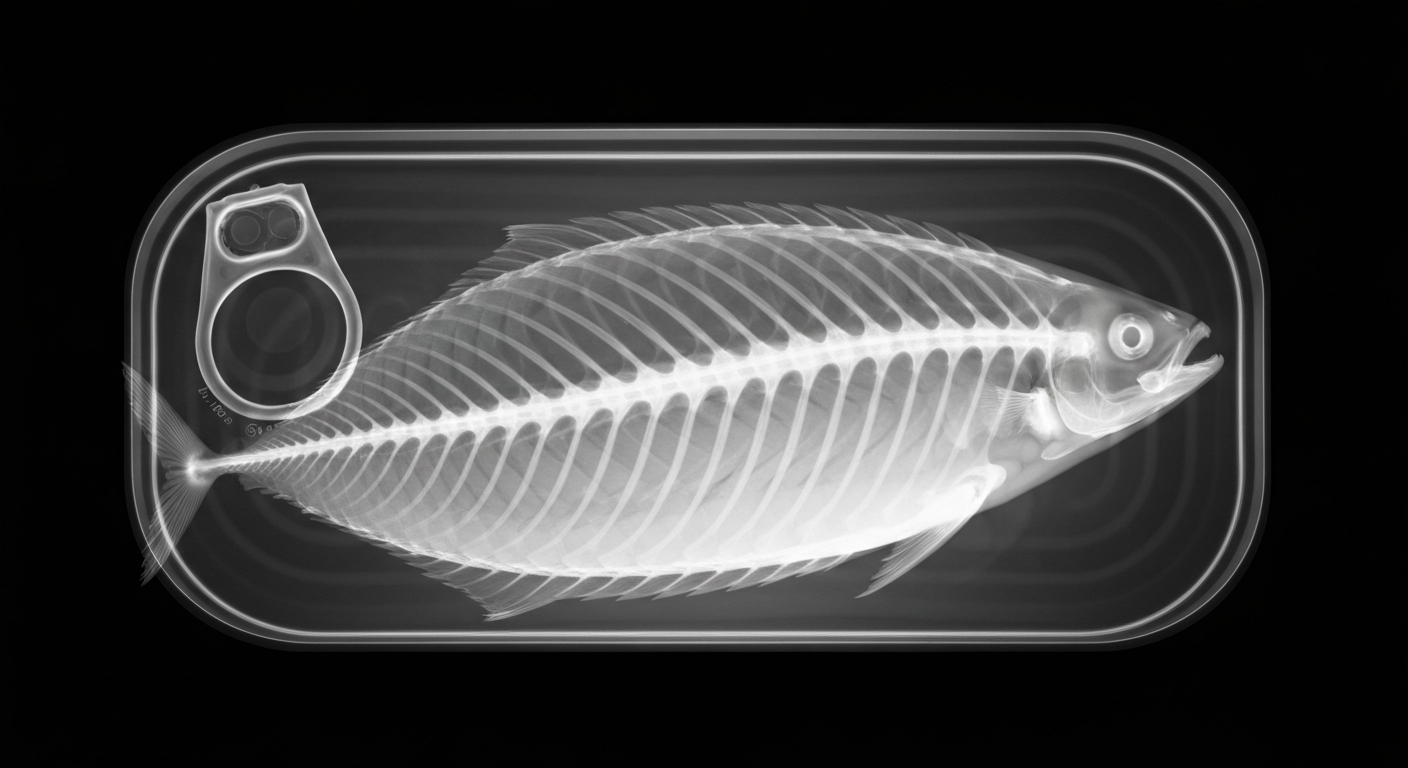 An X-ray view of a canned tuna product exposes the complex nutritional and environmental considerations behind this pantry staple.Saratoga Springs Today
As health professionals warn that not all canned tuna is created equal, with concerns over mercury levels and sodium content, experts are recommending that consumers explore alternative omega-3 rich seafood options like canned sardines, salmon, and mackerel to diversify their protein sources and reduce potential risks.
Why it matters
The canned tuna debate highlights a broader trend of people chasing specific nutrient quotas through convenient products, often missing the bigger picture of overall dietary variety. Sustainability is also a key consideration, as consumer choices can push producers toward better fishing practices and traceability.
The details
Canned tuna has long been championed as a lean source of protein and omega-3 fatty acids, but health experts caution that the exact nutritional profile can vary widely by species, processing, and sourcing. This means two cans of 'tuna' may deliver different health benefits. Additionally, concerns over mercury accumulation and sodium levels have led some to rethink their reliance on this pantry staple. Experts suggest rotating in other canned seafood options like sardines, salmon, and mackerel, which offer similar convenience and nutrition profiles with different fatty acid blends and minerals.
- Canned tuna has been a kitchen staple for generations.
- In recent years, health professionals have raised concerns about mercury levels and sodium content in certain tuna products.
The players
Health Professionals
Experts who have warned consumers about the potential risks associated with certain canned tuna products.
Consumers
People who have relied on canned tuna as a convenient protein source, but are now being advised to explore alternative options.
What’s next
As consumers become more aware of the nuances surrounding canned tuna, experts predict a growing demand for greater transparency in labeling and sourcing, as well as a diversification of convenient, protein-rich seafood options that prioritize both health and sustainability.
The takeaway
The canned tuna debate highlights the need for a more holistic approach to healthy eating, where consumers value dietary variety, supply chain integrity, and population-specific nutritional needs over chasing single 'miracle' ingredients. By expanding their pantry options, people can enjoy the convenience of canned seafood while reducing potential risks and supporting more sustainable fishing practices.