- Today
- Holidays
- Birthdays
- Reminders
- Cities
- Atlanta
- Austin
- Baltimore
- Berwyn
- Beverly Hills
- Birmingham
- Boston
- Brooklyn
- Buffalo
- Charlotte
- Chicago
- Cincinnati
- Cleveland
- Columbus
- Dallas
- Denver
- Detroit
- Fort Worth
- Houston
- Indianapolis
- Knoxville
- Las Vegas
- Los Angeles
- Louisville
- Madison
- Memphis
- Miami
- Milwaukee
- Minneapolis
- Nashville
- New Orleans
- New York
- Omaha
- Orlando
- Philadelphia
- Phoenix
- Pittsburgh
- Portland
- Raleigh
- Richmond
- Rutherford
- Sacramento
- Salt Lake City
- San Antonio
- San Diego
- San Francisco
- San Jose
- Seattle
- Tampa
- Tucson
- Washington
Rockville Centre Today
By the People, for the People
Beat the Winter Blues: Mood-Boosting Tips for Long Island's Cold Season
Practical strategies to stay positive and energized during Long Island's challenging winter months
Apr. 12, 2026 at 8:58am
Got story updates? Submit your updates here. ›
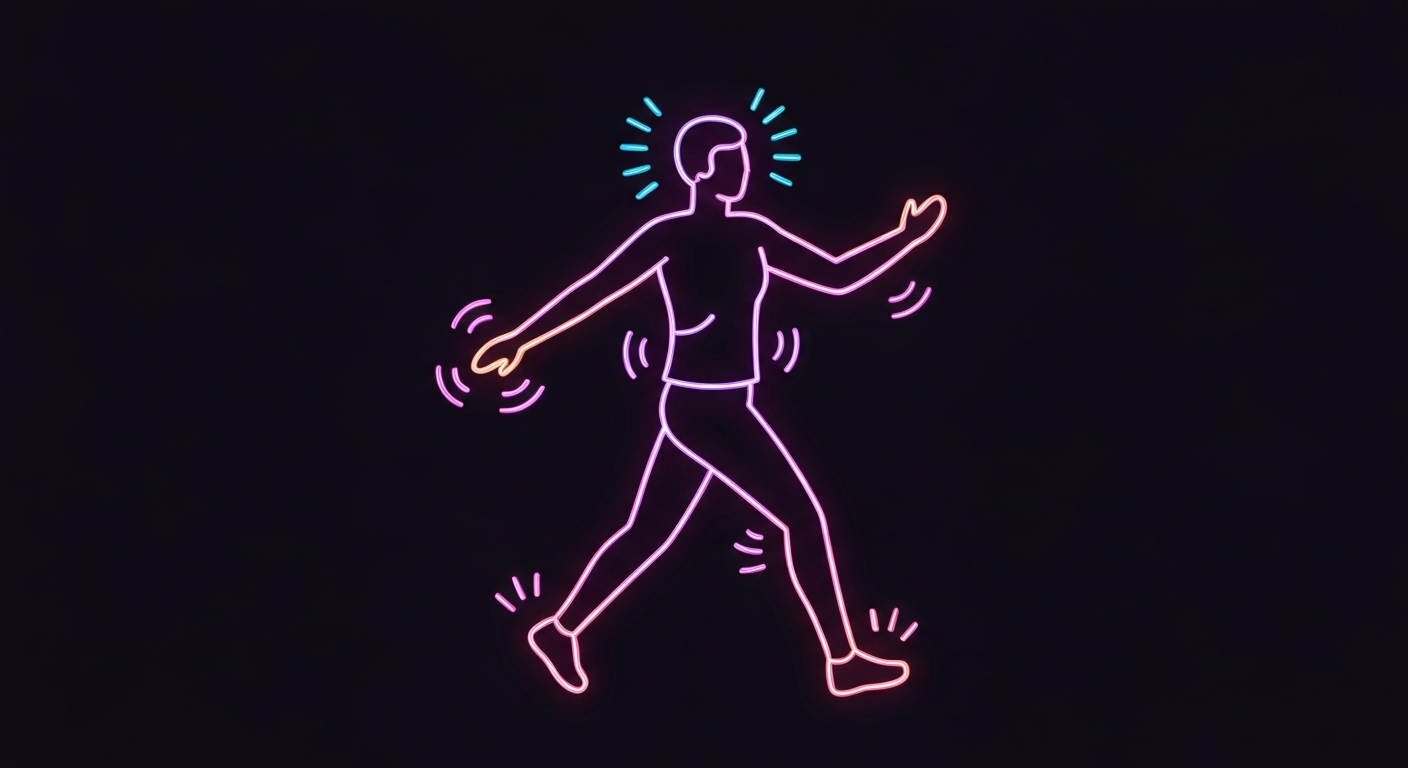 Glowing neon outlines capture the active energy needed to combat the winter blues on Long Island.Rockville Centre Today
Battling the winter blues is a common struggle for many Long Islanders, as the prolonged cold and gloomy weather can take a toll on mental health. Experts share insights and practical tips to help combat seasonal depression, including getting regular exercise, maintaining social connections, using light therapy, and establishing daily routines. Understanding the impact of winter on mood and implementing these mood-boosting strategies can help Long Island residents weather the chilly season with more positivity.
Why it matters
The winter blues are a real challenge for Long Island residents, as the harsh weather conditions can foster a more depressive lifestyle by disrupting normal routines, limiting outdoor activity, and contributing to feelings of isolation. Providing practical guidance on combating seasonal affective disorder and staying mentally healthy during the winter months is crucial for supporting the well-being of the local community.
The details
Experts explain that the cold, gray weather on Long Island can lead to increased feelings of depression and isolation, as the prolonged indoor confinement disrupts normal habits and social activities that support mental well-being. Consuming comfort foods high in sugar and processed carbs can also exacerbate the winter blues by raising inflammatory markers linked to depression. To overcome these challenges, mental health professionals recommend getting regular exercise, even if it's just a short daily walk, maintaining virtual social connections, using light therapy lamps, and establishing daily routines like making the bed and getting dressed. For those experiencing more severe Seasonal Affective Disorder (SAD), seeking professional help and exploring treatments like light therapy and medication is advised.
- The winter season on Long Island typically lasts from December through March.
- Seasonal Affective Disorder (SAD) symptoms usually emerge between late winter and early spring.
The players
Dr. Christopher Fisher
A psychologist in Rockville Centre, New York who specializes in treating seasonal depression.
Dr. Aaron Pinkhasov
The chairman of the Department of Psychiatry at NYU Langone Hospital–Long Island, an expert on the impact of winter on mental health.
What they’re saying
“If you can even get outside for five minutes a day, quickly walk up and down the block, get some sunlight into your life and on your skin.”
— Dr. Christopher Fisher, Psychologist
“People can maintain social connections if they are stuck inside, even virtually.”
— Dr. Aaron Pinkhasov, Chairman of Psychiatry Department
What’s next
As the winter season continues, it's important for Long Island residents to monitor their mental health and seek professional help if they suspect they may be experiencing Seasonal Affective Disorder (SAD). Maintaining a consistent routine, staying physically active, and finding ways to boost light exposure can all help alleviate the winter blues.
The takeaway
Combating the winter blues on Long Island requires a proactive, multi-faceted approach that prioritizes self-care, social connection, and mental health support. By implementing practical strategies recommended by local experts, residents can navigate the challenging cold season with more positivity and resilience, setting the stage for a brighter spring ahead.