- Today
- Holidays
- Birthdays
- Reminders
- Cities
- Atlanta
- Austin
- Baltimore
- Berwyn
- Beverly Hills
- Birmingham
- Boston
- Brooklyn
- Buffalo
- Charlotte
- Chicago
- Cincinnati
- Cleveland
- Columbus
- Dallas
- Denver
- Detroit
- Fort Worth
- Houston
- Indianapolis
- Knoxville
- Las Vegas
- Los Angeles
- Louisville
- Madison
- Memphis
- Miami
- Milwaukee
- Minneapolis
- Nashville
- New Orleans
- New York
- Omaha
- Orlando
- Philadelphia
- Phoenix
- Pittsburgh
- Portland
- Raleigh
- Richmond
- Rutherford
- Sacramento
- Salt Lake City
- San Antonio
- San Diego
- San Francisco
- San Jose
- Seattle
- Tampa
- Tucson
- Washington
Artemis II Astronauts Capture Stunning Photos Through Human Lens
NASA's choice to train astronauts in photography places meaning over convenience, prioritizing their unique perspectives.
Apr. 16, 2026 at 6:07am
Got story updates? Submit your updates here. ›
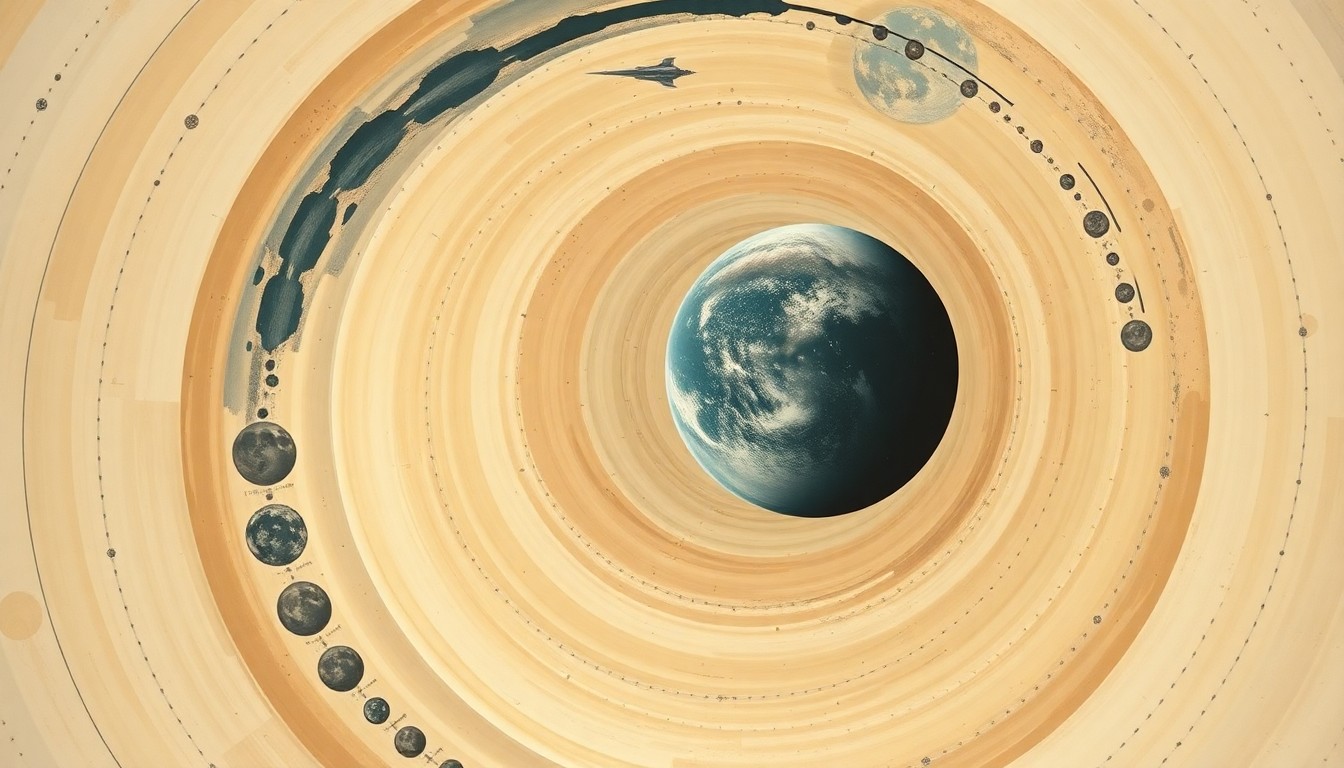 The Artemis II mission's human-created photographs capture the awe and wonder of space exploration, inviting viewers to engage with the astronauts' unique perspectives.Rochester Today
The Artemis II mission captivated millions with remarkable photos of space captured by the astronaut crew. As the director of the Rochester Institute of Technology's School of Photographic Arts and Sciences, the author explains how these human-created images stand out in an era of AI-driven photography by reflecting the astronauts' direct observation, intent, and lived experience.
Why it matters
In a time when image authenticity is often questioned, NASA's decision to equip astronauts with photography skills has allowed the public to witness the Artemis II mission through a uniquely human lens. These photographs carry emotional power by anchoring the viewer in the astronauts' perspectives and creative choices.
The details
While photography was not a high priority during the Apollo era, NASA has now made it a core part of astronaut training. The Artemis II images, such as the 'Earthset' photo and the nightside view of Earth, showcase the astronauts' deliberate choices in exposure, camera settings, lens selection, and composition to tell a story. These human-created photos contrast with AI-generated images, which are based on predicted patterns rather than direct experience.
- The Artemis II mission captivated viewers in early April 2026.
- The 'Earthrise' and 'Blue Marble' photos from the Apollo era hold a place in the global collective consciousness.
The players
Christina Koch
An astronaut who captured an image of Earth from the Orion spacecraft using an iPhone 17 Pro Max.
Jeremy Hansen
An astronaut who took a picture through the camera shroud covering a window on the Orion spacecraft.
Reid Wiseman
A NASA astronaut who watched the Moon from one of the Orion spacecraft's windows.
Christye Sisson
The director of the Rochester Institute of Technology's School of Photographic Arts and Sciences, who wrote this article.
What they’re saying
“Photography was not originally placed as a high priority in NASA's Apollo era. The astronauts only took photographs if they had the chance and all their other tasks were complete.”
— Christye Sisson, Director, Rochester Institute of Technology's School of Photographic Arts and Sciences
“Human-created photos are rooted in direct observation, intent and lived experience, while AI images – or choices made by AI-driven tools – are not. While both can produce compelling and believable visuals, the human photographs carry emotional power because the photographer is drawing from their experiences and perspective in that moment to tell an authentic story.”
— Christye Sisson, Director, Rochester Institute of Technology's School of Photographic Arts and Sciences
What’s next
NASA plans to continue training astronauts in photography for future Artemis missions, ensuring that the public can experience space exploration through the unique human perspectives of the crew.
The takeaway
The Artemis II photographs demonstrate the power of human-created imagery, which reflects the astronauts' direct observation, intent, and lived experience. These photos stand out in an era of AI-driven photography, connecting viewers emotionally and intellectually to the mission.
Rochester top stories


Rochester events

Apr. 18, 2026
Rochester Red Wings vs. Buffalo Bisons
Apr. 18, 2026
Stavros Halkias: The Dreamboat Tour
Apr. 18, 2026
SHREK RAVE