- Today
- Holidays
- Birthdays
- Reminders
- Cities
- Atlanta
- Austin
- Baltimore
- Berwyn
- Beverly Hills
- Birmingham
- Boston
- Brooklyn
- Buffalo
- Charlotte
- Chicago
- Cincinnati
- Cleveland
- Columbus
- Dallas
- Denver
- Detroit
- Fort Worth
- Houston
- Indianapolis
- Knoxville
- Las Vegas
- Los Angeles
- Louisville
- Madison
- Memphis
- Miami
- Milwaukee
- Minneapolis
- Nashville
- New Orleans
- New York
- Omaha
- Orlando
- Philadelphia
- Phoenix
- Pittsburgh
- Portland
- Raleigh
- Richmond
- Rutherford
- Sacramento
- Salt Lake City
- San Antonio
- San Diego
- San Francisco
- San Jose
- Seattle
- Tampa
- Tucson
- Washington
The High-Stakes Battle for the Future of Creative Work
As AI-generated content rises, the value of human intuition and emotional resonance becomes clearer.
Apr. 20, 2026 at 5:20am
Got story updates? Submit your updates here. ›
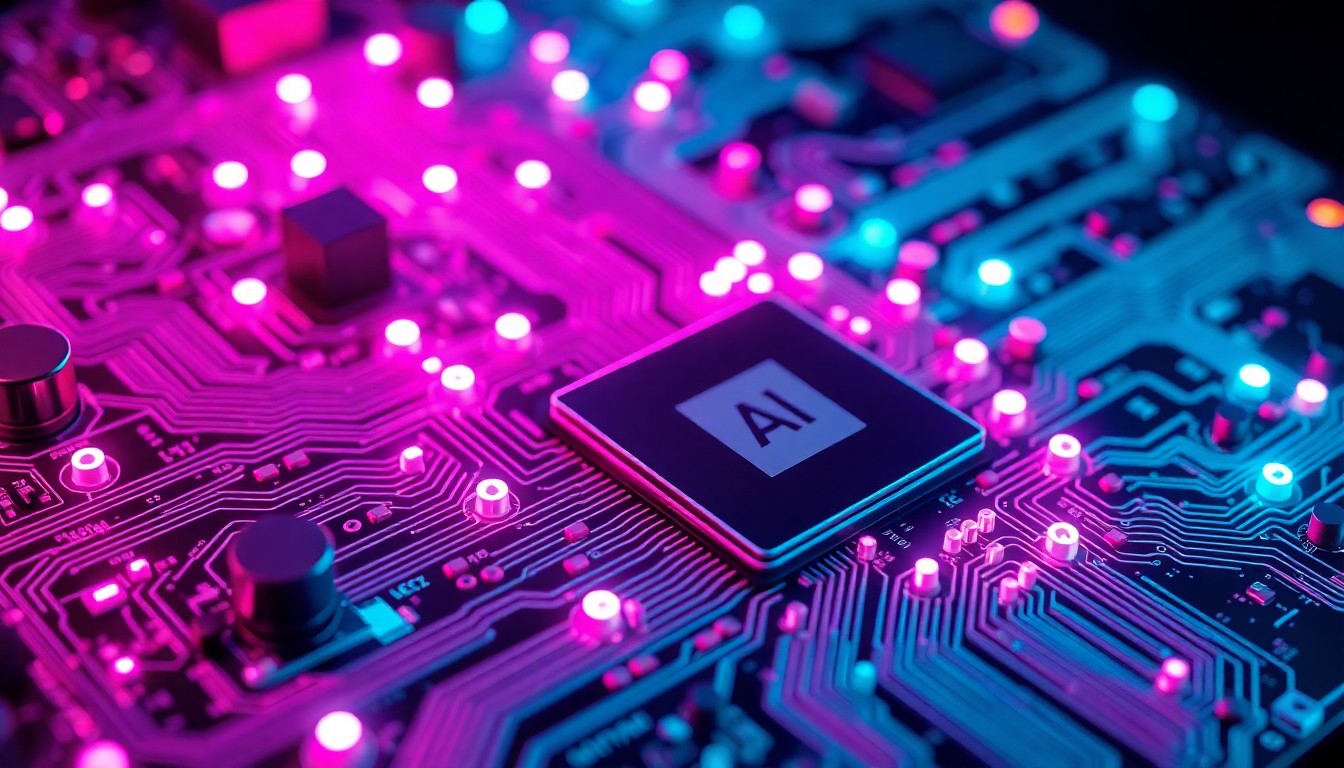 As AI tools become more advanced, the battle between human intuition and algorithmic efficiency is reshaping the modern professional landscape.NYC Today
The tension between human creativity and algorithmic efficiency is no longer just a plot point for a satirical sitcom - it is the defining conflict of the modern professional landscape. While generative AI can increase output volume, it struggles to capture the 'soul' of a story or truly understand concepts like irony and sarcasm. The future lies in a 'Human-in-the-Loop' workflow, where AI handles the initial drafts and research while seasoned experts provide the final creative touches. As technical execution becomes commoditized, the ability to manage people, navigate corporate politics, and exercise emotional intelligence is becoming a high-value asset. However, there is a dangerous trend of deferring to data over human intuition, leading to a culture of defending flawed systems. To future-proof careers, professionals should focus on 'cross-domain synthesis' - applying disparate knowledge to create unique solutions.
Why it matters
The rise of AI-generated content is disrupting creative industries, raising questions about the role of human intuition and emotional resonance in the creative process. As automation increases, there is a risk of devaluing the 'soft skills' that are essential for truly impactful work. Understanding this shift is crucial for professionals looking to future-proof their careers and for organizations seeking to maintain a competitive edge.
The details
Generative AI is exceptional at pattern recognition, able to analyze thousands of successful scripts and synthesize new content that hits all the structural beats. However, it often fails to capture the subtext and emotional resonance that makes a story truly resonate with audiences. This manifests as content that feels 'off' - grammatically perfect but lacking in genuine emotional impact. Large Language Models, for example, do not actually 'understand' concepts like irony or sarcasm in the way humans do; they simply predict the most likely next token based on patterns in the data. The future lies in a 'Human-in-the-Loop' workflow, where AI handles the initial drafts and research while seasoned experts provide the final creative touches. As technical execution becomes commoditized, the ability to manage people, navigate corporate politics, and exercise emotional intelligence is becoming a high-value asset. There is also a dangerous trend of deferring to data over human intuition, leading to a culture of defending flawed systems. To future-proof careers, professionals should focus on 'cross-domain synthesis' - applying disparate knowledge to create unique solutions that are harder for AI to replicate.
- The recent WGA and SAG-AFTRA strikes highlighted the growing fear that humans will be used to train the very machines that eventually replace them.
- Industry experts suggest that roles will shift from 'Creators' to 'Curators' in the coming decade, as the most successful professionals will be those who can identify which AI-generated option is the 'genius' one and why.
The players
Creative Directors
While AI can generate options, a creative director's job is to make decisions based on cultural context and emotional intent - things AI cannot experience.
Seasoned Experts
In the 'Human-in-the-Loop' workflow, these professionals provide the 'experienced juice' to complement the AI's initial drafts and research.
What’s next
As the use of AI in creative industries continues to evolve, it will be important for professionals to stay informed about the latest trends and developments. Attending industry events, networking with peers, and keeping an eye on emerging technologies will be crucial for staying ahead of the curve.
The takeaway
The rise of AI-generated content is forcing a reckoning in creative industries, highlighting the unique value of human intuition, emotional resonance, and cross-disciplinary expertise. While automation will continue to impact the nature of creative work, the most successful professionals will be those who can leverage AI as a tool while maintaining a distinctly human touch.