- Today
- Holidays
- Birthdays
- Reminders
- Cities
- Atlanta
- Austin
- Baltimore
- Berwyn
- Beverly Hills
- Birmingham
- Boston
- Brooklyn
- Buffalo
- Charlotte
- Chicago
- Cincinnati
- Cleveland
- Columbus
- Dallas
- Denver
- Detroit
- Fort Worth
- Houston
- Indianapolis
- Knoxville
- Las Vegas
- Los Angeles
- Louisville
- Madison
- Memphis
- Miami
- Milwaukee
- Minneapolis
- Nashville
- New Orleans
- New York
- Omaha
- Orlando
- Philadelphia
- Phoenix
- Pittsburgh
- Portland
- Raleigh
- Richmond
- Rutherford
- Sacramento
- Salt Lake City
- San Antonio
- San Diego
- San Francisco
- San Jose
- Seattle
- Tampa
- Tucson
- Washington
Retiring Lawmakers Lament Decline of Congress
Veteran legislators say fundraising, partisanship, and executive power have eroded Congress's ability to legislate effectively.
Apr. 20, 2026 at 4:35pm
Got story updates? Submit your updates here. ›
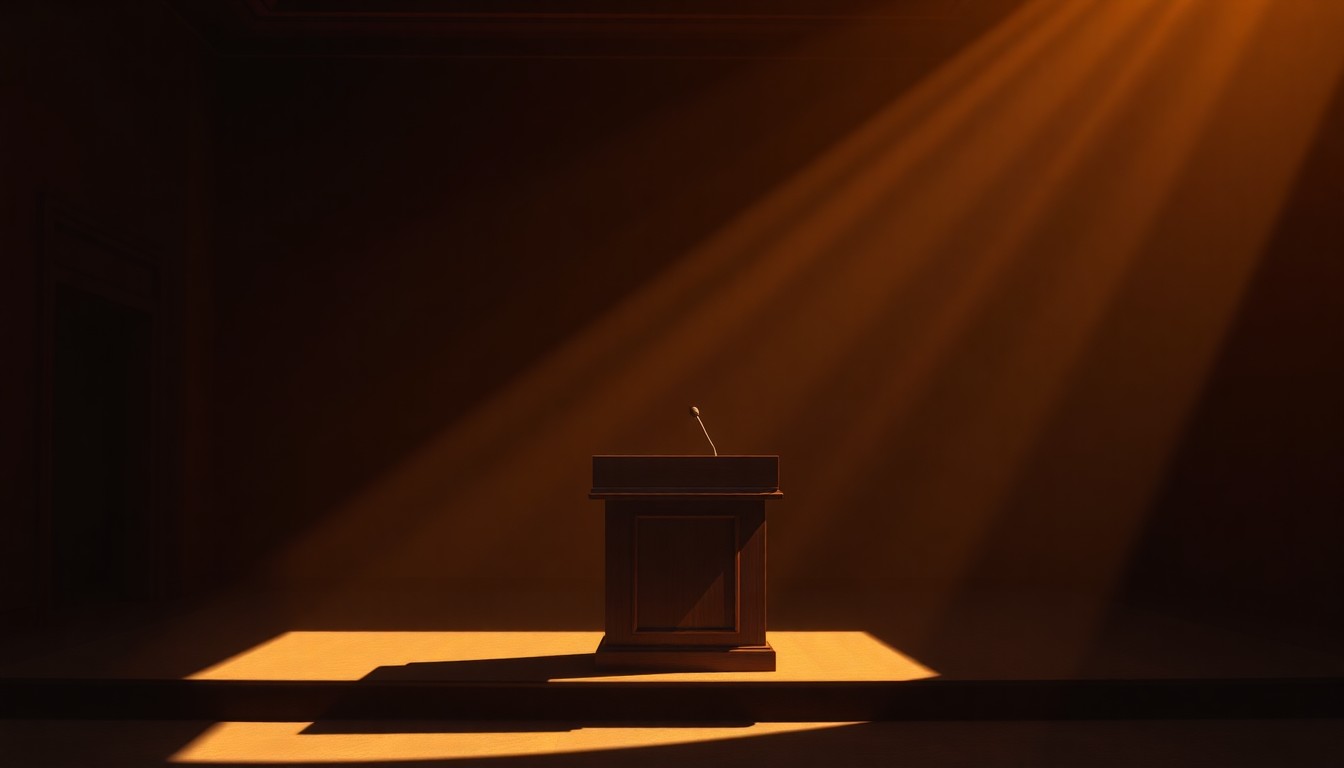
 The turbulent state of Congress is reflected in a dynamic, fragmented visual representation of its members, as veteran lawmakers depart amid growing dysfunction.NYC Today
A near-record number of 68 lawmakers have announced they will not run for reelection, citing frustration with the state of Congress. Retiring members from both parties say the institution has become increasingly dysfunctional, with a focus on fundraising, media attention, and partisan battles rather than legislating. They warn that the changes could lead to a new type of candidate seeking office, one more interested in "scoring political points" than passing laws.
Why it matters
The exodus of veteran lawmakers raises concerns about the future of Congress and its ability to fulfill its constitutional role. Experts say the trends driving members out - polarization, gerrymandering, deference to the executive branch - could further erode the legislative process and attract a new breed of politician more interested in social media stardom than the wonky work of policymaking.
The details
Lawmakers and voters have long complained that Congress has become an environment where legislating takes a backseat to fundraising, media appearances, and partisan battles. But those trends are increasing to the point that the institution is repelling policy-minded candidates who actually want to pass laws. Retiring members from both parties say working across the aisle has become nearly impossible, with Congress ceding more power to the executive branch. The 118th Congress passed the fewest bills since the Civil War, as leadership defers to the president and uses must-pass bills to advance priorities.
- The 118th Congress, spanning 2023-2025, passed the fewest bills since the Civil War.
- In 2025, Capitol Police investigated 14,938 cases of 'concerning statements, behaviors, and communications' against members and their families, a nearly 60% increase from 2024.
The players
Sen. Peter Welch
A Democratic senator from Vermont who says 'The institution's not doing the job that it's assigned to do. We all know it.'
Rep. Don Bacon
A Republican congressman from Nebraska who calls the political parties in Congress 'dysfunctional.'
Rep. Julia Brownley
A retiring Democratic congresswoman from California who says 'There doesn't seem to be a 'middle' to work with' on bipartisan legislation.
Rep. Michael McCaul
A retiring Republican congressman from Texas who says he joined a 'more respectful and collegial' House 22 years ago, when 'working across the aisle was not a bad thing.'
Sen. Thom Tillis
A Republican senator from North Carolina who is among a small group of GOP legislators critical of former President Donald Trump.
What they’re saying
“'The institution's not doing the job that it's assigned to do. We all know it.'”
— Sen. Peter Welch, Democratic senator from Vermont
“'There doesn't seem to be a 'middle' to work with.'”
— Rep. Julia Brownley, Retiring Democratic congresswoman from California
“'working across the aisle was not a bad thing.'”
— Rep. Michael McCaul, Retiring Republican congressman from Texas
What’s next
The 2024 elections could bring a new wave of lawmakers to Congress, some of whom may be more interested in legislating than social media stardom. However, the entrenched trends of polarization, gerrymandering, and deference to the executive branch will be difficult to reverse, and it remains to be seen whether the incoming class will be able to restore a spirit of bipartisanship and effective policymaking.
The takeaway
The exodus of veteran lawmakers from Congress highlights the institution's growing dysfunction, with a focus on fundraising, partisanship, and media attention rather than the hard work of legislating. This could lead to a new type of candidate seeking office, one more interested in "scoring political points" than passing laws. Restoring Congress's ability to fulfill its constitutional role will require addressing deep-seated issues like polarization, gerrymandering, and the shifting balance of power between the legislative and executive branches.