- Today
- Holidays
- Birthdays
- Reminders
- Cities
- Atlanta
- Austin
- Baltimore
- Berwyn
- Beverly Hills
- Birmingham
- Boston
- Brooklyn
- Buffalo
- Charlotte
- Chicago
- Cincinnati
- Cleveland
- Columbus
- Dallas
- Denver
- Detroit
- Fort Worth
- Houston
- Indianapolis
- Knoxville
- Las Vegas
- Los Angeles
- Louisville
- Madison
- Memphis
- Miami
- Milwaukee
- Minneapolis
- Nashville
- New Orleans
- New York
- Omaha
- Orlando
- Philadelphia
- Phoenix
- Pittsburgh
- Portland
- Raleigh
- Richmond
- Rutherford
- Sacramento
- Salt Lake City
- San Antonio
- San Diego
- San Francisco
- San Jose
- Seattle
- Tampa
- Tucson
- Washington
Vällingby 1956: A Vision of the World's Most Modern City
The Blueprint of Tomorrow: Reimagining Human-Centric Urbanism
Apr. 19, 2026 at 8:24am
Got story updates? Submit your updates here. ›
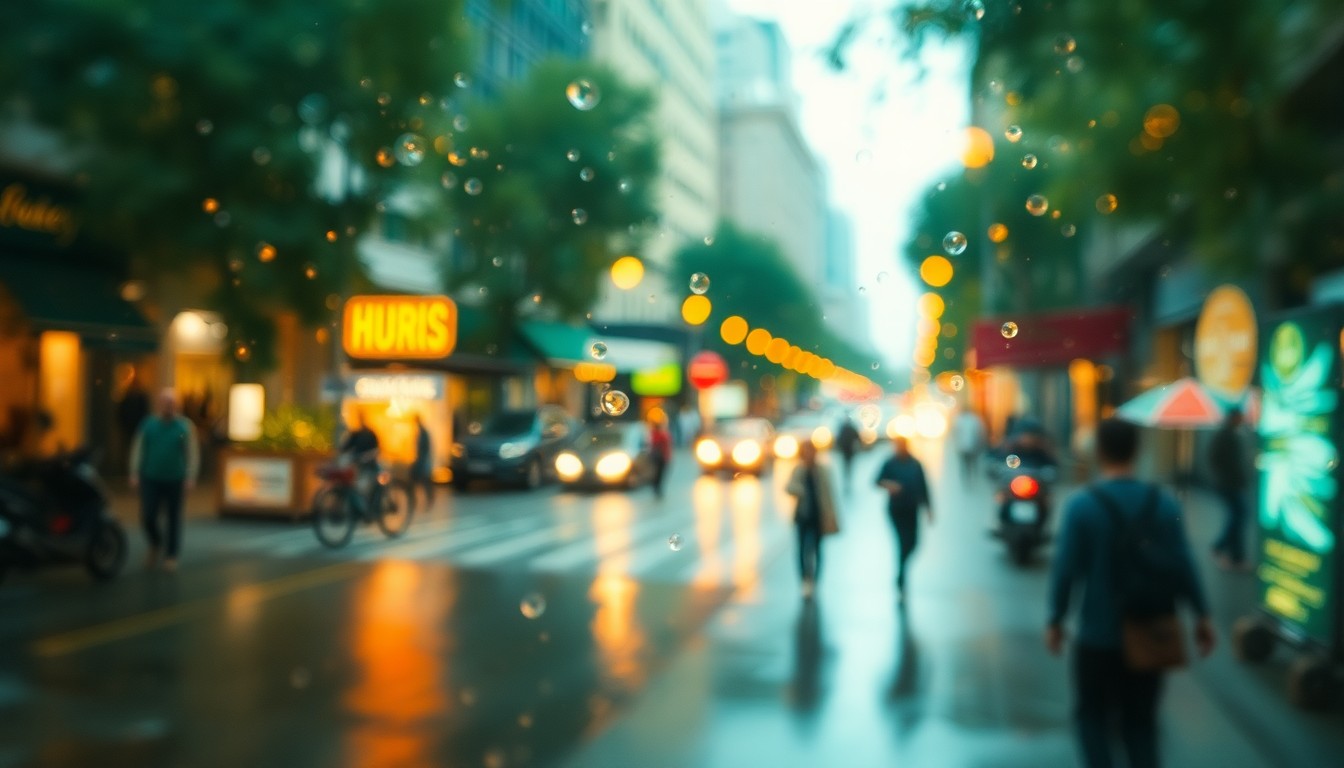 A dreamlike vision of the future city, where pedestrians and nature reclaim the urban landscape.NYC Today
Decades ago, the world looked at projects like Vällingby in Stockholm as a glimpse into a futuristic utopia. The vision was simple yet radical: build a city around the human being, not the automobile. By separating pedestrian traffic from cars and integrating work, housing and leisure, it set a gold standard for 'ABC cities' (Arbete, Bostad, Centrum).
Why it matters
Today, we are seeing a massive resurgence of these ideals, but with a digital-age twist. We are moving past the era of sprawling suburbs and car-dependent commutes toward a model of 'Hyper-Localism.' The '15-Minute City' and 'Polycentric Urbanism' concepts are direct descendants of Vällingby's pioneering vision.
The details
The '15-Minute City'—a concept popularized by Carlos Moreno and adopted by cities like Paris—proposes that every resident should have access to essential services (groceries, healthcare, parks, and work) within a short walk or bike ride. But the trend is evolving, with the rise of 'Polycentric Urbanism.' Instead of one massive downtown core, cities are developing multiple 'mini-centers.' This reduces the strain on public transit and fosters a stronger sense of community identity. One successful real-world application is the Barcelona Superblocks (Superilles) model, which has reclaimed interior streets for playgrounds, greenery, and social interaction.
- In the 1950s, 'high-tech' meant vending machines that allowed shopping after hours.
- Today, the integration of technology into urban living is far more invisible, and pervasive. We are entering the era of the Cognitive City.
The players
Carlos Moreno
A professor who popularized the '15-Minute City' concept, which has been adopted by cities like Paris.
Barcelona Superblocks
A model that groups nine city blocks and restricts through-traffic to the perimeter, reclaiming interior streets for pedestrians.
The takeaway
The dream of the modern city hasn't changed since 1956; only the tools have. Whether it's through AI-driven planning or the simple act of planting more trees, the goal remains the same: creating a place where humans can thrive without being subservient to the machines they built.
New York top stories


New York events

Apr. 19, 2026
The Gazillion Bubble Show
Apr. 19, 2026
Candy Crafting at Cricket's Candy Creations
Apr. 19, 2026
Stranger Things: The First Shadow