- Today
- Holidays
- Birthdays
- Reminders
- Cities
- Atlanta
- Austin
- Baltimore
- Berwyn
- Beverly Hills
- Birmingham
- Boston
- Brooklyn
- Buffalo
- Charlotte
- Chicago
- Cincinnati
- Cleveland
- Columbus
- Dallas
- Denver
- Detroit
- Fort Worth
- Houston
- Indianapolis
- Knoxville
- Las Vegas
- Los Angeles
- Louisville
- Madison
- Memphis
- Miami
- Milwaukee
- Minneapolis
- Nashville
- New Orleans
- New York
- Omaha
- Orlando
- Philadelphia
- Phoenix
- Pittsburgh
- Portland
- Raleigh
- Richmond
- Rutherford
- Sacramento
- Salt Lake City
- San Antonio
- San Diego
- San Francisco
- San Jose
- Seattle
- Tampa
- Tucson
- Washington
The Shade Room Sparks Debate on Future of Celebrity Culture
Viral Instagram post questions if influencer fame is nearing its end amid shifting user behaviors and regulatory scrutiny.
Apr. 19, 2026 at 4:35am
Got story updates? Submit your updates here. ›
A viral Instagram post from The Shade Room on April 18, 2026 has reignited a broader cultural debate around the sustainability of celebrity culture in the digital age. The post, which asked followers if 'celebrity culture [could] be coming to an end,' quickly garnered over 1.2 million likes and thousands of comments, reflecting widespread unease with the current model of fame driven by social media platforms. This conversation coincides with measurable declines in user engagement with celebrity and influencer content across major social apps, as well as growing regulatory efforts to address the underlying business models that sustain the influencer economy.
Why it matters
The Shade Room's post has prompted renewed scrutiny of the role that digital platforms play in amplifying and monetizing celebrity influence. As audiences, especially younger users, express growing skepticism toward curated online personas and undisclosed sponsorships, the future of the attention economy that fuels modern fame is being called into question. This cultural reckoning could lead to significant changes in how digital celebrity operates, from platform policy shifts to potential legislative action targeting the structural incentives that drive the current model.
The details
The Shade Room's viral Instagram post, labeled 'TSRGreatDebatez,' featured a carousel image asking followers: 'Roomies, could you see celebrity culture coming to an end? (SWIPE)' The engagement level indicates widespread cultural unease, with the post sparking thousands of comments debating the authenticity of influencer fame, the mental toll of constant visibility, and growing public skepticism toward curated online personas. This moment coincides with measurable shifts in user behavior, including a 3.2% year-over-year decline in daily active users aged 18-24 on Instagram, and a 'notable softening' in engagement with celebrity-focused content on Snapchat. Industry analysts suggest these trends reflect deeper structural changes, with 58% of U.S. adults under 30 saying they 'trust information from influencers less than they did two years ago.' Meanwhile, 41% now prefer content from niche creators over broad-appeal celebrities, potentially undermining the mass-appeal model underpinning traditional celebrity monetization.
- On April 18, 2026, The Shade Room posted the viral Instagram carousel.
- In Q1 2026, Meta reported a 3.2% year-over-year decline in daily active Instagram users aged 18-24.
- In February 2026, a Pew Research Center report found 58% of U.S. adults under 30 trust influencers less than two years prior.
- In March 2026, Instagram introduced updated branded content labeling requirements.
- In April 2026, TikTok launched a 'transparency mode' requiring creators to disclose paid partnerships.
The players
The Shade Room
A popular celebrity and entertainment-focused Instagram account with over 26 million followers.
Elizabeth Warner
U.S. Senator who co-introduced the 'Digital Platform Accountability Act' in February 2026.
Josh Hawley
U.S. Senator who co-introduced the 'Digital Platform Accountability Act' in February 2026.
Dr. Lila Chen
A media studies professor at New York University who commented on the evolving nature of celebrity culture.
What they’re saying
“What we're seeing isn't the death of celebrity, but its fragmentation. Audiences are rejecting monolithic fame in favor of more specialized, community-based influence—but influence itself is not going away.”
— Dr. Lila Chen, Media Studies Professor, New York University
What’s next
The 'Digital Platform Accountability Act' introduced by Senators Warner and Hawley remains in committee, but its passage could lead to new transparency requirements for platforms around the distribution of celebrity and influencer content.
The takeaway
The conversation sparked by The Shade Room's viral post reflects a broader cultural reckoning with the costs and consequences of living in a perpetually performative public square driven by social media algorithms and influencer marketing. While the nature of fame may be evolving, the underlying desire for social recognition remains, and the future of celebrity culture will likely depend on platforms, creators, and audiences finding a new, more sustainable balance.
New York top stories

New York events
Apr. 19, 2026
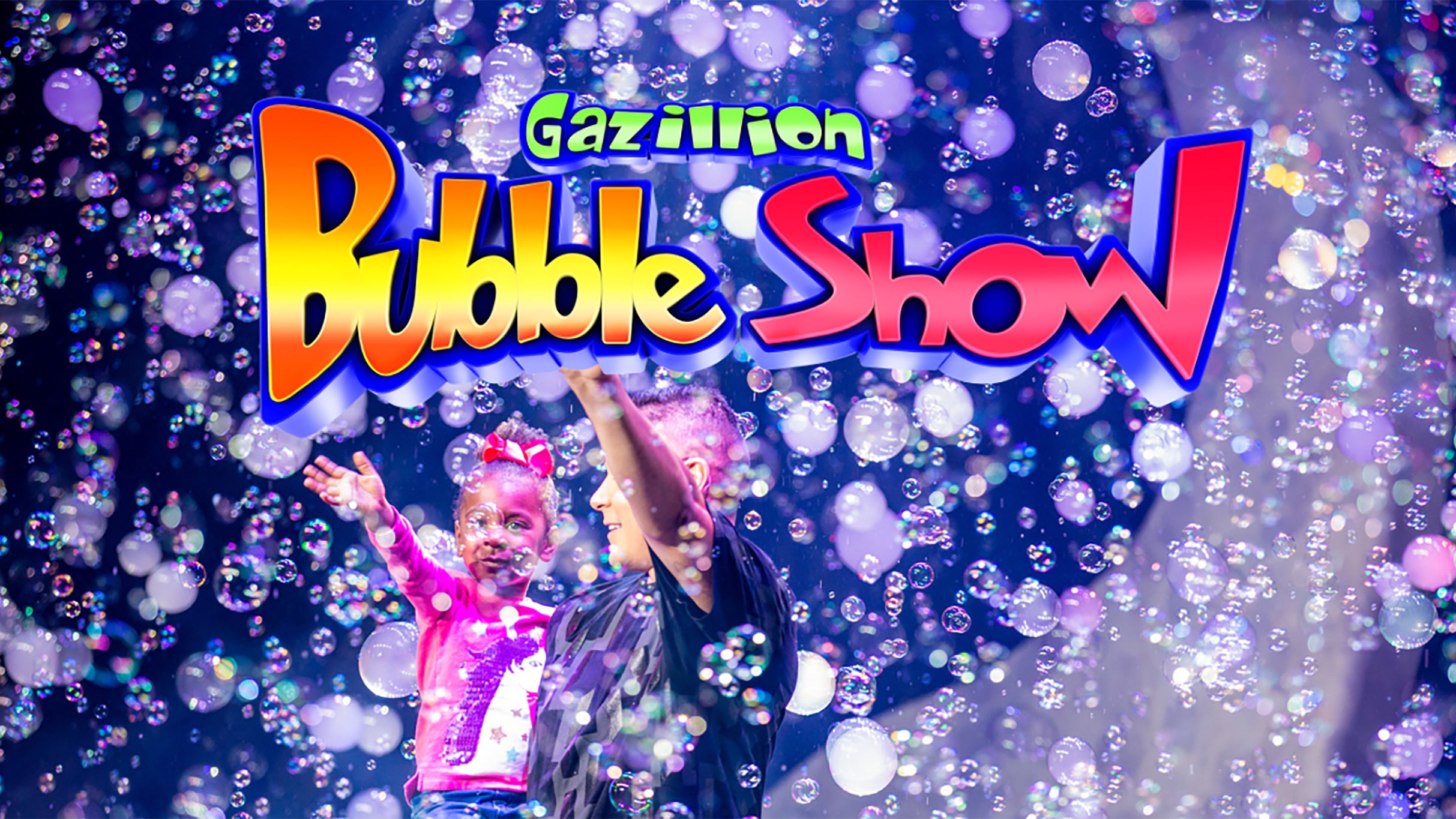
The Gazillion Bubble Show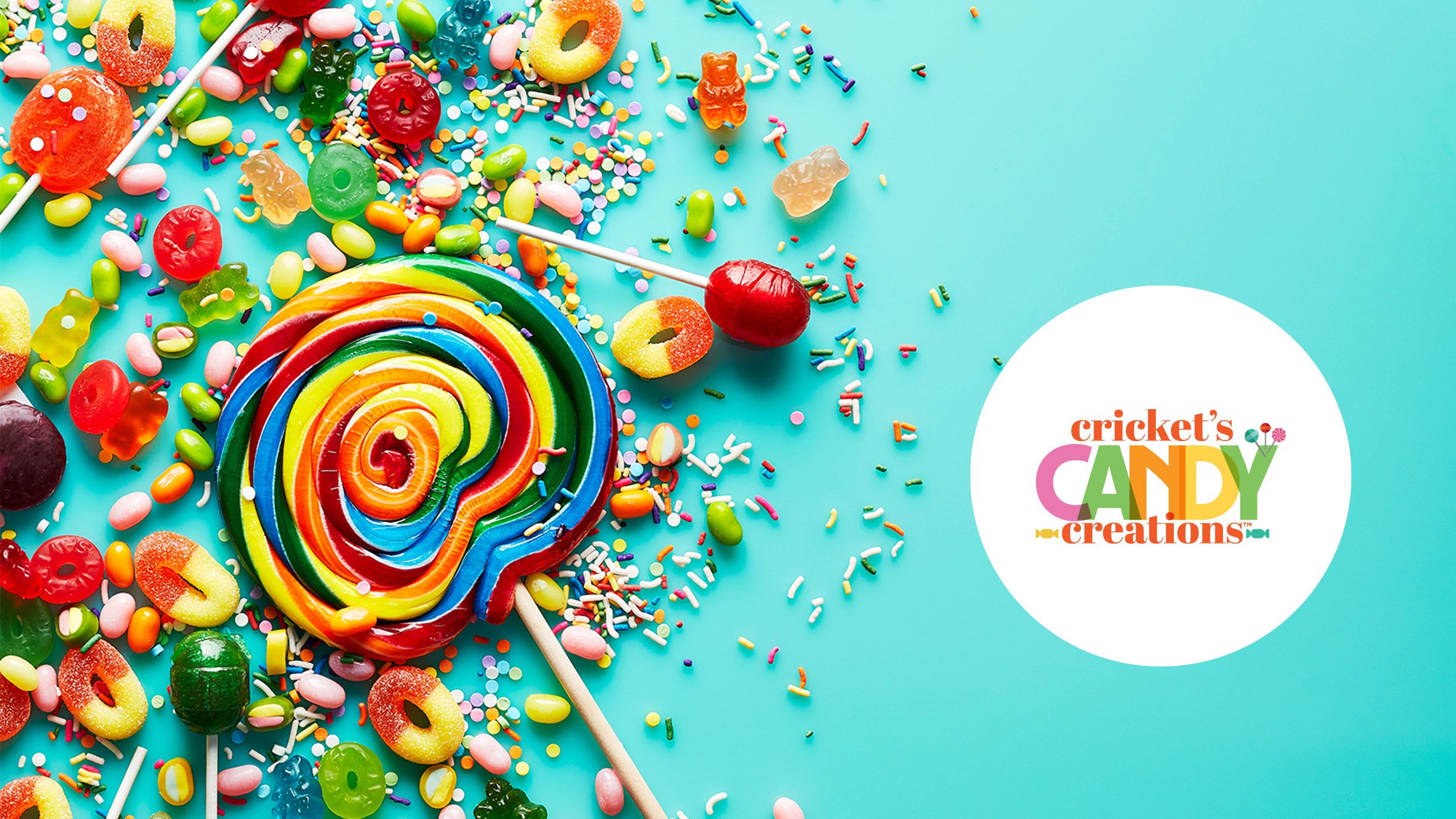
Apr. 19, 2026
Candy Crafting at Cricket's Candy Creations
Apr. 19, 2026
Stranger Things: The First Shadow