- Today
- Holidays
- Birthdays
- Reminders
- Cities
- Atlanta
- Austin
- Baltimore
- Berwyn
- Beverly Hills
- Birmingham
- Boston
- Brooklyn
- Buffalo
- Charlotte
- Chicago
- Cincinnati
- Cleveland
- Columbus
- Dallas
- Denver
- Detroit
- Fort Worth
- Houston
- Indianapolis
- Knoxville
- Las Vegas
- Los Angeles
- Louisville
- Madison
- Memphis
- Miami
- Milwaukee
- Minneapolis
- Nashville
- New Orleans
- New York
- Omaha
- Orlando
- Philadelphia
- Phoenix
- Pittsburgh
- Portland
- Raleigh
- Richmond
- Rutherford
- Sacramento
- Salt Lake City
- San Antonio
- San Diego
- San Francisco
- San Jose
- Seattle
- Tampa
- Tucson
- Washington
NYC Mayor Targets Billionaires' Vacant Luxury Homes with New 'Pied-à-Terre' Tax
Zohran Mamdani's new tax aims to generate $500 million in revenue from owners of $5M+ second homes who don't live in the city.
Apr. 19, 2026 at 2:05pm
Got story updates? Submit your updates here. ›
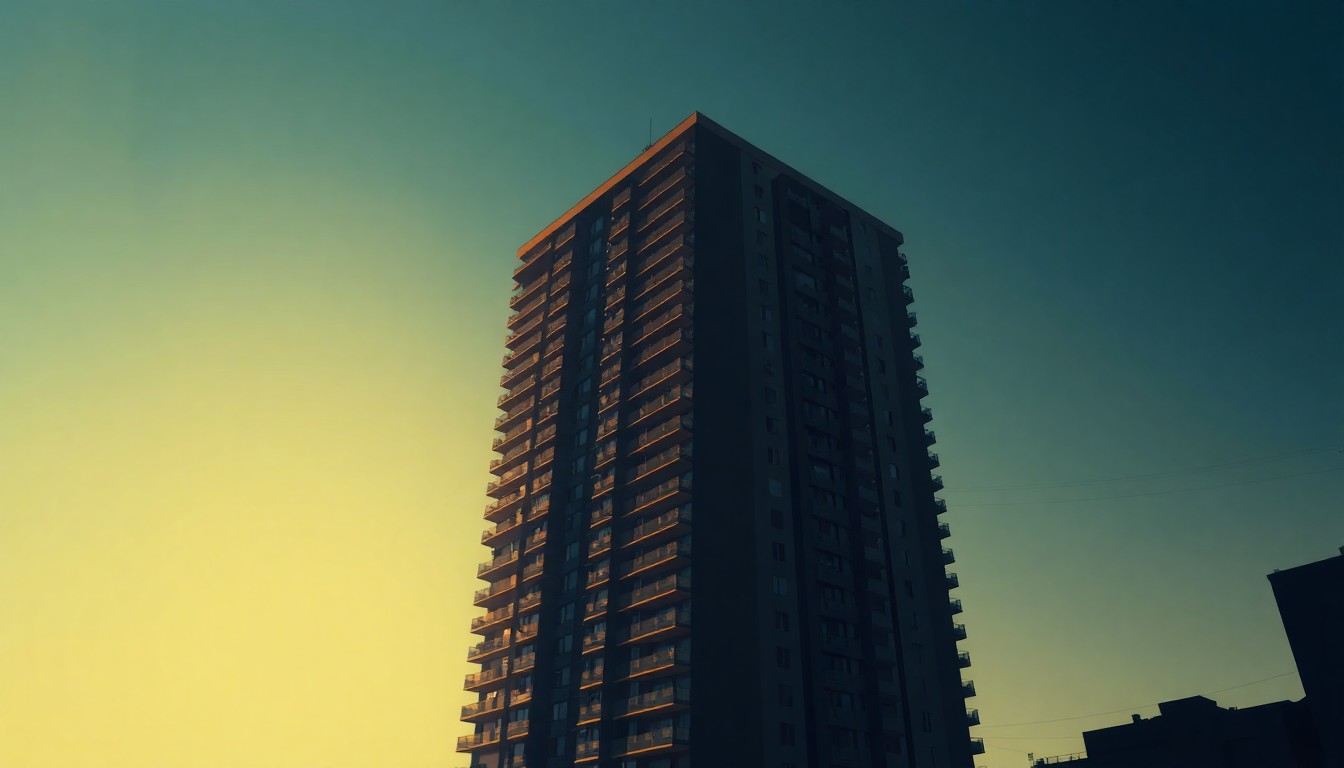 The pied-à-terre tax aims to generate revenue from owners of vacant luxury second homes, while also addressing New York City's housing affordability crisis.NYC Today
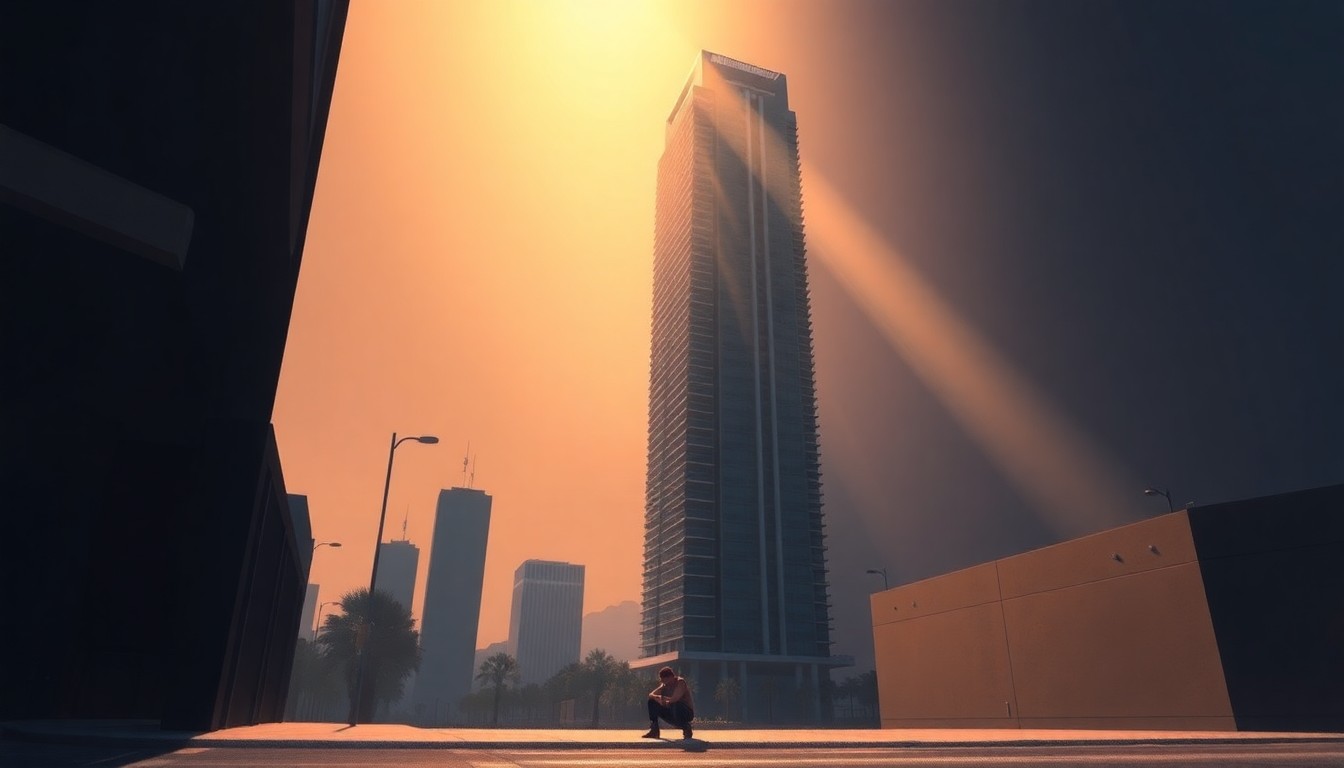
New York City Mayor Zohran Mamdani has announced a new 'pied-à-terre' tax, an annual surcharge on luxury second homes valued above $5 million that are owned by people whose primary residence is outside New York City. The measure is projected to generate $500 million in annual revenue and could affect as many as 13,000 properties across the five boroughs. Mamdani specifically called out Citadel CEO Ken Griffin's $238 million penthouse at 220 Central Park South as an example of the type of property the tax is designed to target.
Why it matters
The pied-à-terre tax is a direct response to New York City's housing affordability crisis, with the mayor's office framing it as a way to address the practice of using Manhattan real estate as 'a vehicle for wealth storage' by owners of luxury second homes who don't actually live in the city. For working and middle-class New Yorkers struggling with rising rents, the tax represents a politically popular move to generate significant revenue from the ultra-wealthy.
The details
The pied-à-terre tax is a late addition to ongoing state budget negotiations, giving opponents little time to mount a campaign against it. The measure arrives as Mayor Mamdani inherits a $5.3 billion budget gap, with the city budget due on May 1. While real estate industry groups have warned the tax could 'eliminate thousands of construction jobs, lower property values and raise costs for New Yorkers,' the mayor's office argues that if someone can afford a $5 million second home, they can afford to contribute like other New Yorkers.
- The pied-à-terre tax was announced on Tax Day 2026.
- The city budget is due on May 1, 2026.
The players
Zohran Mamdani
The mayor of New York City who campaigned on taxing the rich and is now implementing the new pied-à-terre tax.
Kathy Hochul
The governor of New York who jointly announced the pied-à-terre tax with Mayor Mamdani.
Ken Griffin
The CEO of Citadel who owns a $238 million penthouse at 220 Central Park South, which has been cited as an example of the type of luxury second home the pied-à-terre tax is designed to target.
What they’re saying
“When I ran for mayor, I said I was going to tax the rich. Well, today, we're taxing the rich.”
— Zohran Mamdani, Mayor of New York City
“They're part of our skyline, but those people are not part of our city. If you can afford a $5 million second home that sits empty most of the year, you can afford to contribute like every other New Yorker.”
— Kathy Hochul, Governor of New York
What’s next
The pied-à-terre tax is expected to generate $500 million in annual revenue for New York City, with the first payments due by the end of 2026.
The takeaway
The new pied-à-terre tax represents a politically savvy move by Mayor Mamdani to generate significant revenue from the ultra-wealthy, while also addressing the city's housing affordability crisis by targeting the practice of using luxury Manhattan real estate as 'a vehicle for wealth storage' by owners of second homes who don't actually live in the city.