- Today
- Holidays
- Birthdays
- Reminders
- Cities
- Atlanta
- Austin
- Baltimore
- Berwyn
- Beverly Hills
- Birmingham
- Boston
- Brooklyn
- Buffalo
- Charlotte
- Chicago
- Cincinnati
- Cleveland
- Columbus
- Dallas
- Denver
- Detroit
- Fort Worth
- Houston
- Indianapolis
- Knoxville
- Las Vegas
- Los Angeles
- Louisville
- Madison
- Memphis
- Miami
- Milwaukee
- Minneapolis
- Nashville
- New Orleans
- New York
- Omaha
- Orlando
- Philadelphia
- Phoenix
- Pittsburgh
- Portland
- Raleigh
- Richmond
- Rutherford
- Sacramento
- Salt Lake City
- San Antonio
- San Diego
- San Francisco
- San Jose
- Seattle
- Tampa
- Tucson
- Washington
USDA Disqualifies 1,562 Retailers, Prevents $835 Million in Fraudulent SNAP Transactions
Retailers engaging in SNAP fraud face expulsion from the program, penalties, and jail time.
Apr. 18, 2026 at 2:23pm
Got story updates? Submit your updates here. ›
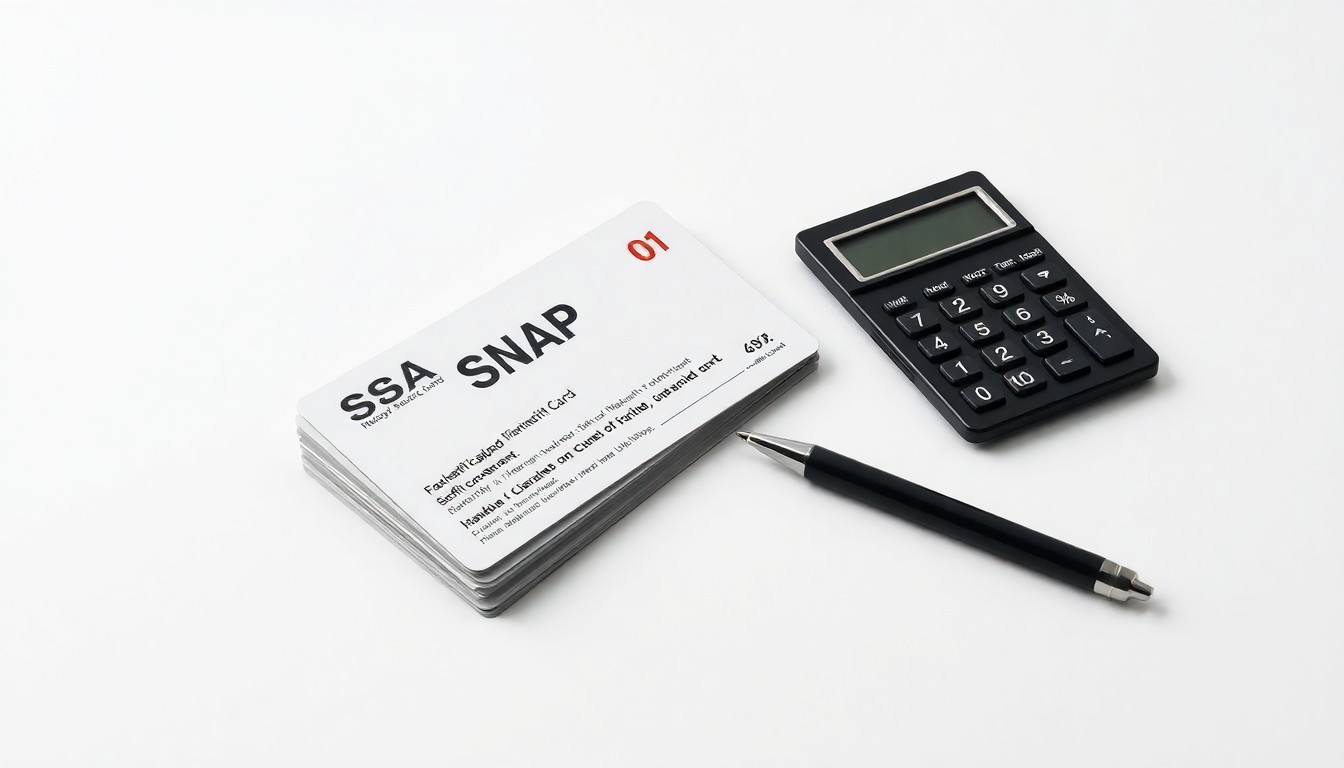 A stark still-life captures the high-stakes battle against SNAP benefit fraud, as the government cracks down on dishonest retailers to protect the integrity of this vital nutrition assistance program.NYC Today
The U.S. Department of Agriculture's Food and Nutrition Service has disqualified 1,562 retailers associated with the Supplemental Nutrition Assistance Program (SNAP) and disabled 760 illegal point-of-sale devices since October 2025, preventing nearly $835 million in fraudulent SNAP transactions. Retailers found guilty of SNAP fraud can face permanent or temporary disqualification from the program, denial of application, withdrawal of authorization, financial penalties, and criminal charges that can lead to fines and even prison time.
Why it matters
SNAP fraud by retailers not only steals from the program intended to help vulnerable families, but also undermines public trust in the system. The USDA's crackdown on fraudulent retailers aims to protect the integrity of the SNAP program and ensure that benefits reach those who truly need them.
The details
The USDA has taken action against retailers engaging in various forms of SNAP fraud, including selling items not allowed under the program, exchanging SNAP benefits for cash, and lying on their applications to get authorized to participate. One grocer from Palos Hills, Indiana, was permanently disqualified after racking up more than $6 million in fraudulent transactions, while an owner of a small convenience store in Boston was convicted for trafficking almost $7 million in SNAP benefits.
- Since October 1, 2025, the USDA has disqualified 1,562 retailers and disabled 760 illegal point-of-sale devices.
- Between October 2022 and December 2024, states reported replacing more than $320 million in stolen SNAP benefits.
The players
Stephen Vaden
Deputy Secretary of the Department of Agriculture (USDA).
JD Vance
Vice President of the United States.
Andrew Ferguson
Federal Trade Commission Chairman.
Brooke Rollins
Agriculture Secretary.
John Walk
USDA Inspector General.
What they’re saying
“Commit fraud? We will find you and hold you accountable. Including jail time. And now, we have the whole of government, under the leadership of @VP and @AFergusonFTC, rooting out abuse of any program meant to help the most vulnerable.”
— Stephen Vaden, Deputy Secretary of the Department of Agriculture (USDA)
“More is coming!”
— Andrew Ferguson, Federal Trade Commission Chairman
“No more stealing from hungry children, needy families, and hardworking taxpayers. Inspector General John Walk and his team are putting fraudsters on notice. Steal from the taxpayer? Pay the price.”
— Brooke Rollins, Agriculture Secretary
“Fraudulent SNAP retailers steal from victims that include children who rely on federal nutrition assistance and dishonor the charity of American taxpayers who fund the assistance. OIG will continue to work hand-in-hand with federal law enforcement partners and agencies across the government in the war on fraud and hold criminals to account.”
— John Walk, USDA Inspector General
What’s next
The USDA's Office of Inspector General said that the action was taken against multiple SNAP retail locations in the Twin Cities, Minnesota, and that they will continue to work with federal law enforcement partners to crack down on SNAP fraud.
The takeaway
The USDA's aggressive crackdown on SNAP fraud, including the disqualification of over 1,500 retailers and the prevention of $835 million in fraudulent transactions, demonstrates the government's commitment to protecting the integrity of the program and ensuring that SNAP benefits reach those who truly need them. This effort aims to deter future fraud and hold accountable those who seek to exploit the system.
New York top stories



New York events
Apr. 18, 2026
Hamilton
Apr. 18, 2026
Candy Crafting at Cricket's Candy Creations
Apr. 18, 2026
The Gazillion Bubble Show