- Today
- Holidays
- Birthdays
- Reminders
- Cities
- Atlanta
- Austin
- Baltimore
- Berwyn
- Beverly Hills
- Birmingham
- Boston
- Brooklyn
- Buffalo
- Charlotte
- Chicago
- Cincinnati
- Cleveland
- Columbus
- Dallas
- Denver
- Detroit
- Fort Worth
- Houston
- Indianapolis
- Knoxville
- Las Vegas
- Los Angeles
- Louisville
- Madison
- Memphis
- Miami
- Milwaukee
- Minneapolis
- Nashville
- New Orleans
- New York
- Omaha
- Orlando
- Philadelphia
- Phoenix
- Pittsburgh
- Portland
- Raleigh
- Richmond
- Rutherford
- Sacramento
- Salt Lake City
- San Antonio
- San Diego
- San Francisco
- San Jose
- Seattle
- Tampa
- Tucson
- Washington
The Cultural Marxism Debate: Unpacking the Right's Narrative
A new book examines the right's use of 'cultural Marxism' to explain social change in the West.
Apr. 18, 2026 at 6:45am
Got story updates? Submit your updates here. ›
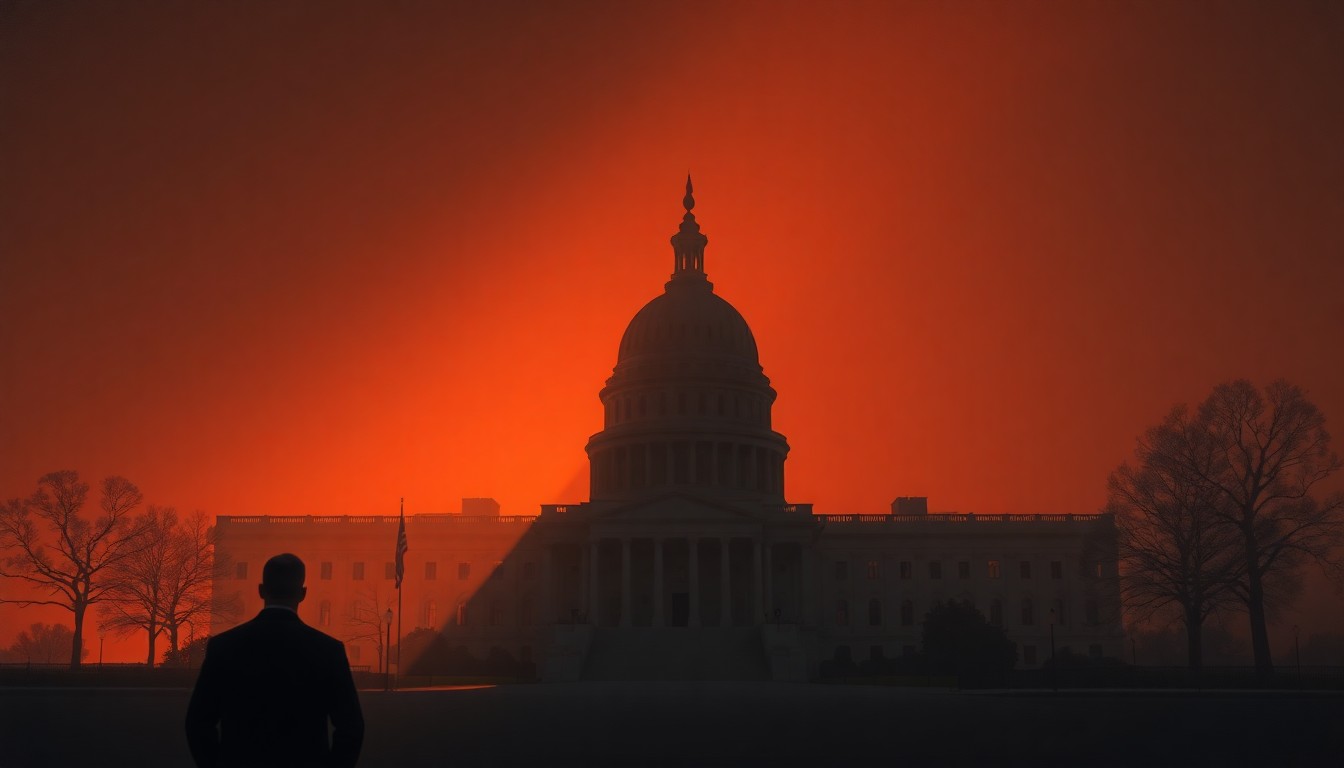 The debate over 'cultural Marxism' reflects the deep political divides in the US, with both sides accusing the other of misdiagnosing the root causes of social change.NYC Today
In the new book 'The Cultural Marxism Conspiracy,' historian A.J.A. Woods explores how the political right has used the concept of 'cultural Marxism' to build a narrative about the decline of traditional Western values. Woods draws on Marxist theory and conjunctural analysis to argue that this narrative is a 'paranoid fever dream' used to 'denigrate and disempower certain groups.' However, the book is criticized for its own partisan tone and missed opportunities to have a more nuanced discussion about the economic and class inequalities underlying cultural discontent.
Why it matters
The debate over 'cultural Marxism' highlights the deep political divides in the US, with the right seeing it as a threat to traditional values and the left viewing it as a boogeyman used to justify opposition to progress. Understanding the origins and uses of this concept is crucial for navigating the culture wars and finding common ground.
The details
Woods traces the evolution of the 'cultural Marxism' concept, from its use by Lyndon LaRouche in the 1960s to its more recent deployment by figures like William Lind and Paul Weyrich to battle 'political correctness' and galvanize the Tea Party movement. The book argues that conservatives have wrongly blamed Marxist academics like the Frankfurt School for instigating identity politics and social change, when in reality these are 'grassroots struggles' against real injustices.
- The concept of 'cultural Marxism' emerged in the 1960s.
- It was used by the right to oppose social changes in the 1970s and 1990s.
- The term was central to the Tea Party movement in the 2000s.
- It is now used to undermine contemporary 'woke' social justice movements.
The players
A.J.A. Woods
An English historian who uses they/them pronouns and wrote the book 'The Cultural Marxism Conspiracy.'
Lyndon LaRouche
A former Trotskyist who used the term 'cultural Marxism' in the 1960s.
William Lind
A conservative figure at the Free Congress Foundation who deployed the 'cultural Marxism' concept in the 1970s.
Paul Weyrich
A new right-wing thinker who used 'cultural Marxism' to galvanize the Tea Party movement in the 2000s.
Christopher Rufo
A right-wing activist who has promoted the 'cultural Marxism' narrative to oppose 'woke' social justice movements.
What they’re saying
“The conservatives who talk about cultural Marxism are 'reactionary political forces' who 'search for new ways to justify their opposition to equality, democracy, and justice.'”
— A.J.A. Woods, Historian
“Rufo's proposals substitute one type of paternalism for another. 'Whereas the woke restricted free speech to protect the 'feelings' of the 'snowflake left', Rufo's counterrevolution prohibits any speech that induces 'guilt' or 'distress' in white America.”
— A.J.A. Woods, Historian
What’s next
The debate over 'cultural Marxism' is likely to continue as the culture wars rage on, with both sides accusing the other of misdiagnosing the root causes of social change. Deeper examination of the economic and class factors underlying these tensions could help bridge the divide.
The takeaway
This book highlights how the 'cultural Marxism' narrative has been used by the political right to demonize social progress and distract from real economic inequalities. While the author's partisan tone is critiqued, the book provides a valuable historical analysis of this contentious concept and its role in contemporary politics.
New York top stories


New York events
Apr. 18, 2026
Hamilton
Apr. 18, 2026
Candy Crafting at Cricket's Candy Creations
Apr. 18, 2026
The Gazillion Bubble Show